
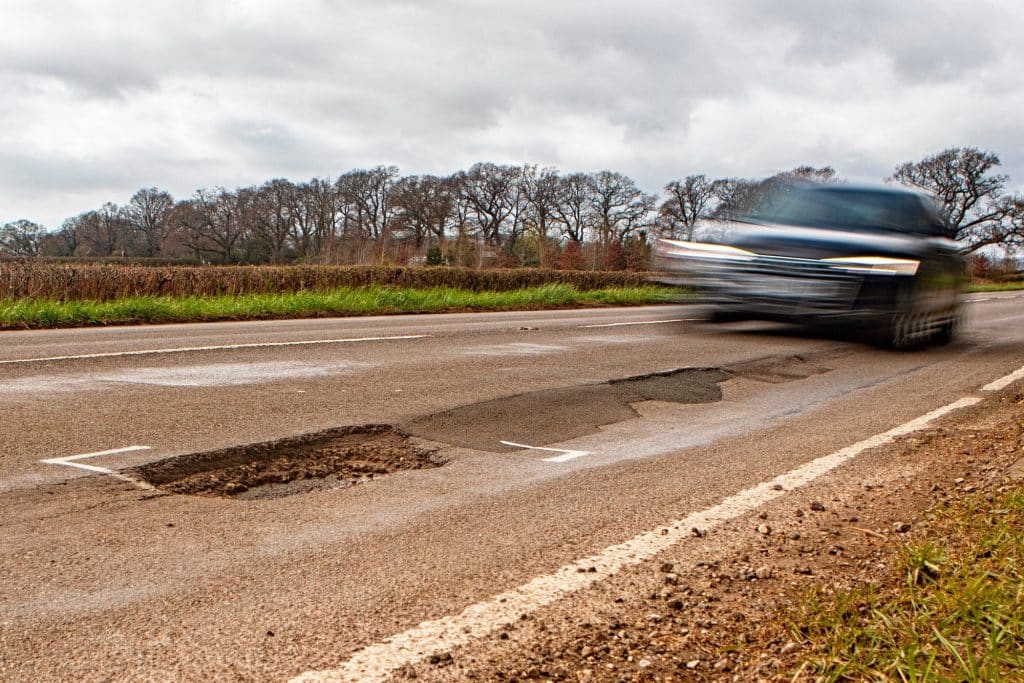

Amidst climate change discussions, a key report stresses the importance of reinforcing transport infrastructure to withstand severe weather.
- The Chartered Institution of Highways & Transportation (CIHT) calls for urgent modifications in the highways sector to address climate risks.
- The report highlights increased susceptibility of road networks to adverse weather and advocates for adaptation strategies.
- Immediate investments and strategic policy shifts in transport frameworks are paramount to avoid future infrastructure failures.
- There’s a clear recommendation for a unified, long-term approach to incorporate resilience into the UK transport system.
World leaders are gathered at the Cop29 conference to address climate challenges, paralleled by the CIHT’s report that highlights crucial interventions needed in the transport sector. The report underscores the pressing need for building transport networks that can endure extreme weather conditions.
The escalating vulnerability of road infrastructure to major weather events is highlighted through compelling case studies demonstrating effective mitigation through strategic adaptation and physical interventions. This reinforces the necessity of focusing on transport resilience amidst rising climate emergencies.
The discussions at Cop29 spotlight climate finance and pathways to net-zero emissions by 2050. CIHT’s report aligns with these discussions by emphasising the critical need for preparing road infrastructure now to ensure economic stability and long-term resilience.
Immediate investment and policy reforms across transportation policies are urged by the CIHT to avert potentially costly infrastructure failures. The report lays out several recommendations, notably making adaptation a primary investment focus to counter severe weather risks.
Ensuring maintained funding for highway and infrastructure upkeep is portrayed as essential. Such investments not only ensure network efficiency but also align with decarbonisation goals, reinforcing resilience against extreme weather.
Legislative changes are recommended to mandate resilience assessments for all transport asset owners, aiming to uncover network vulnerabilities and prioritise mitigation strategies. A harmonised approach is advocated to standardise these assessments and enhance strategic alignment.
CIHT further proposes a long-term infrastructure strategy recognising roads, rail, and digital systems as interconnected networks. This strategy calls for governmental commitment to fund maintenance, aligning design standards with resilience and adaptation aims.
There’s a stark warning about the current inadequacies of the UK’s road infrastructure in coping with climate challenges, stressing that without significant revisions, the benefits of a reliable transport network may be jeopardised by future climatic threats.
CIHT’s report stresses the immediate need for strategic adjustments in the highways sector to mitigate climate threats effectively, ensuring economic and infrastructure resilience.
