

Logistics UK is urging formal recognition of the UK Logistics Network for a robust 30-year infrastructure strategy.
- Logistics UK’s report highlights bottlenecks due to limited capacity on key transport corridors across the UK.
- Current inefficiencies caused by underinvestment impact economic productivity and growth prospects.
- Comparison with Germany reveals UK’s slow transport infrastructure investment growth over recent years.
- A strategic, long-term vision is critical for enhancing UK’s logistics competitiveness and economic growth.
In a steadfast appeal to the government, Logistics UK has called for the official identification of the UK Logistics Network, proposing it as the cornerstone of a 30-year strategic infrastructure plan. This request, prompted by a newly released report, outlines the extensive supply chain infrastructure and key transport routes essential to the UK’s logistics operations. The report aims to guide the impending government infrastructure strategy, stressing the importance of these critical networks.
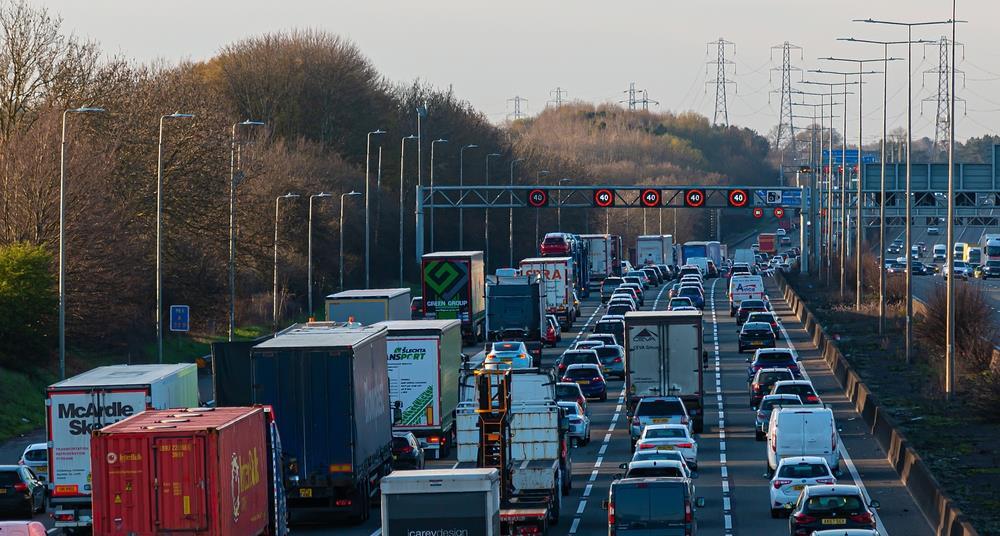
These transport corridors, particularly those utilised for freight, face significant congestion and limited capacity, leading to operational inefficiencies. Notable bottlenecks occur where freight and passenger services converge, particularly along the West Coast Main Line and across vital road links between major urban areas such as the Pennines and the Midlands.
Originally suggested in the previous government’s Future of Freight Plan, the concept of a national freight network is seen as vital for improving efficiency and integration. Oxford Economics indicates that, with appropriate policies and investments, the logistics sector could boost the economy by up to £8 billion annually by 2030 through increased productivity.
David Wells, Chief Executive of Logistics UK, emphasised that the report serves as a foundation for dialogue between the government and industry. By enhancing strategic capacity, the UK can position itself as a leader in the green economy, addressing challenges that underlie the logistics network’s current inadequacies. He cited the UK’s low transport infrastructure investment, which saw a meagre growth rate of just 0.7% annually between 2016 and 2019, as a critical factor in these inefficiencies.
The report underscores the centrality of the road network in the UK’s logistics infrastructure, with roads handling approximately 81% of domestic freight by weight. On major roads, logistics activities make up nearly one-third of all traffic, rising to 47% on high-volume routes. The rail sector also shows a similar pattern, with a small percentage of high-volume routes accounting for a substantial portion of rail freight traffic.
Wells further pointed out that enhancing rail speeds by 25% could cut operating costs by £40 million annually. He stressed the necessity for long-term planning in the upcoming Infrastructure Strategy to bolster the capacity and sustainability of the logistics sector, ultimately improving the UK’s competitive edge on the global stage.
A strategic focus on logistics is essential for driving future economic success and addressing current capacity challenges.
