Singapore Airlines is expanding its operations at Gatwick Airport despite facing a steep profit decline. The airline aims to maintain its competitive edge by boosting flight frequency. As the group navigates a challenging market, its commitment to expansion remains unwavering, ensuring it meets evolving demands for air travel.
The airline’s strategy to enhance passenger capacity comes at a time when competition intensifies in the aviation sector. Despite a notable slump in earnings, Singapore Airlines is confident about its long-term growth prospects, leveraging its strong market presence and fleet expansion to secure a foothold in new and existing routes.
Introduction of More Flights Despite Profit Decline
Singapore Airlines (SIA) is set to increase flight frequencies next summer at Gatwick Airport, notwithstanding a significant dip in profits. During the first half of the financial year, the airlines’ profits nearly halved, a reflection of heightened competition and increased operational capacity in key markets.
The group’s low-cost carrier arm, Scoot, was also impacted, with a reported 48.5% year-on-year fall in net profits. The financial decline was attributed to a weaker operating performance alongside diminished net interest income. Unlike last year, the group suffered a loss on the sale of aircraft, spares, and engine parts. Nevertheless, improvements in associated companies’ profits and reduced tax expenses offered some relief.
Financial Performance and Passenger Trends
Amidst stronger air travel demand in the six months leading to September 30, SIA saw a steep drop in its operational profit, amounting to an alarming 48.8% decrease to SG$796 million from SG$1.55 billion the previous year. Revenue, however, experienced a slight rise by 3.7% totaling SG$9.5 billion.
A notable increase in passenger numbers was recorded, with a 10.8% surge in passengers carried, summing up to 19.2 million across both SIA and Scoot. Despite these optimistic figures, the yield pressure due to intensified competition and increased capacity led to a 5.6% decrease in yields.
Strategic Expansion Plans
SIA remains undeterred by the competitive pressures, planning to bolster its global presence by enhancing flight frequency and passenger capacity, effective in the northern summer of 2025 from March 30. This strategic expansion includes additional routes to Gatwick, Barcelona, Milan, and Rome.
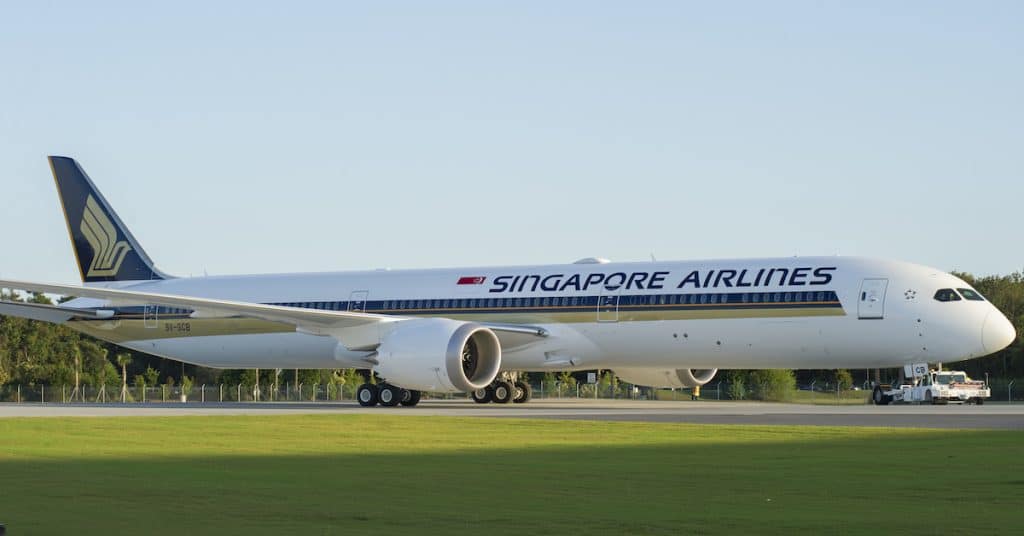
The addition of four Boeing 787-10 Dreamliners to SIA’s fleet underscores the group’s commitment to this growth strategy. Currently, the flying fleet stands at 205 aircraft with 84 more on order, indicating robust expansion plans into new markets.
Adapting to Market Conditions
To navigate through the challenging landscape, SIA aims to be flexible, aligning its operational capacity to meet shifting market demands and maintaining a competitive edge. The aviation sector’s current state is fraught with geopolitical tensions and economic uncertainties, yet SIA is resolute in its resilience strategy.
The group’s solid financial standing and investment in digital initiatives are formulated to capture growth opportunities. Collaboration with other global airlines and a diversified airline portfolio further enhance SIA’s ability to adjust swiftly to market changes.
Collaboration and Innovative Initiatives
SIA’s partnership with the Singapore Tourism Board and Skyscanner, bound by a two-year Memorandum of Understanding, is instrumental in branding the city-state as a top travel destination. This initiative aligns with SIA’s broader vision of harnessing collaborations to enhance market reach and service excellence.
In the face of geopolitical and economic hurdles, SIA continues to champion innovation as a critical component of its strategic framework. Effective deployment of resources and technology helps spearhead the company’s efforts in maintaining its leadership stance in the competitive airline industry.
Development of Infrastructural Capacity
Adding new aircraft and advanced aviation technology is part of SIA’s significant investments aimed at boosting infrastructural capacity. This commitment underlines the group’s strategic foresight to meet future air travel needs and sustain long-term growth.
Concurrently, SIA remains committed to its environmental responsibilities, making strides in adopting fuel-efficient aircraft and sustainable practices. Balancing capacity expansion with sustainability efforts is pivotal in aligning with global environmental standards while serving an expanding customer base.
Market Dynamics and Future Outlook
Given the macroeconomic environment with its inherent uncertainties, SIA’s strategic initiatives are designed to leverage its strong market position and operational flexibility. The group believes in the aviation industry’s robust potential for growth and remains focused on executing its forward-looking plans despite the evident challenges.
Balancing between strategic growth and cost management, SIA is committed to maintaining operational excellence. As the industry grapples with volatility, SIA’s multifaceted approach, encompassing strategic investments and increased collaborations, will play a crucial role in its sustained profitability.
Passenger Experience and Service Improvements
SIA is committed to enhancing passenger experiences and service quality across its network. The group is focused on leveraging technological advancements to introduce innovative in-flight services and seamless travel solutions.
Upgrades in passenger service systems and the adoption of cutting-edge technology underscore this objective. Continually striving for excellence in customer satisfaction remains at the heart of SIA’s operational mandate, ensuring that passengers enjoy a superior travel experience.
SIA continues to navigate complex market environments by leveraging strategic growth plans and partnerships. Despite financial setbacks, it remains poised for robust recovery, driven by strong market positioning and innovative strategies.