
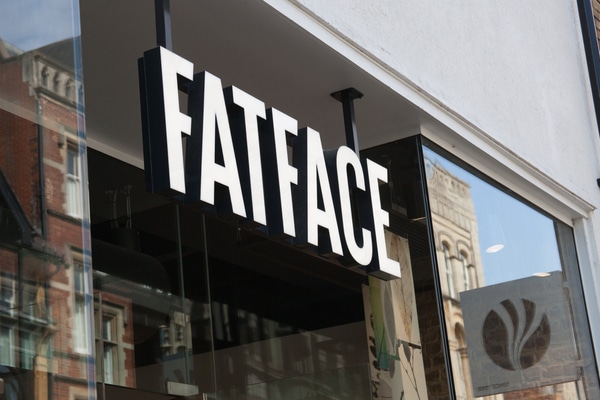

FatFace, a well-known fashion retailer, has reported a financial downturn following its recent acquisition by Next.
- The company experienced a pre-tax loss of £3.2 million for a 35-week period, contrasting sharply with a £19.5 million profit the previous year.
- Exceptional costs amounting to £7.9 million were primarily attributed to the acquisition process.
- Despite the losses, FatFace’s sales were substantial, with total revenues reaching £191.5 million, and specific UK revenues of £172.5 million.
- The CEO of FatFace expressed confidence in the company’s strategy of prioritising full-price sales and maintaining robust customer engagement.
FatFace, a prominent name in the fashion retail industry, has encountered financial difficulties following its acquisition by Next, a significant fashion and homeware entity. The company reported a pre-tax loss of £3.2 million for the 35 weeks ending on January 27, marking a distinct decline from a £19.5 million profit recorded in the same period of the previous year. This shift in financial standing highlights the complexities and challenges often associated with major acquisitions.
Exceptional costs totalling £7.9 million were incurred, which FatFace has primarily linked to the acquisition process by Next. Despite these challenges, the retailer managed to achieve impressive sales figures, with total revenue reported at £191.5 million and UK-specific sales contributing £172.5 million to this total. This indicates a robust performance amidst the transition, reflecting the brand’s continued appeal to consumers.
FatFace’s CEO, Will Crumbie, addressed the company’s performance amid what he described as a ‘challenging external environment.’ He emphasised the company’s focus on full-price sales, stating that this strategy contributed to improved margins and profits before exceptional costs. According to Crumbie, the brand’s ability to resonate with a growing customer base is evident, bolstered by their vibrant store atmosphere and a significant digital presence.
FatFace’s financial performance post-acquisition underscores the challenges of integrating into a larger business while maintaining market presence.
