
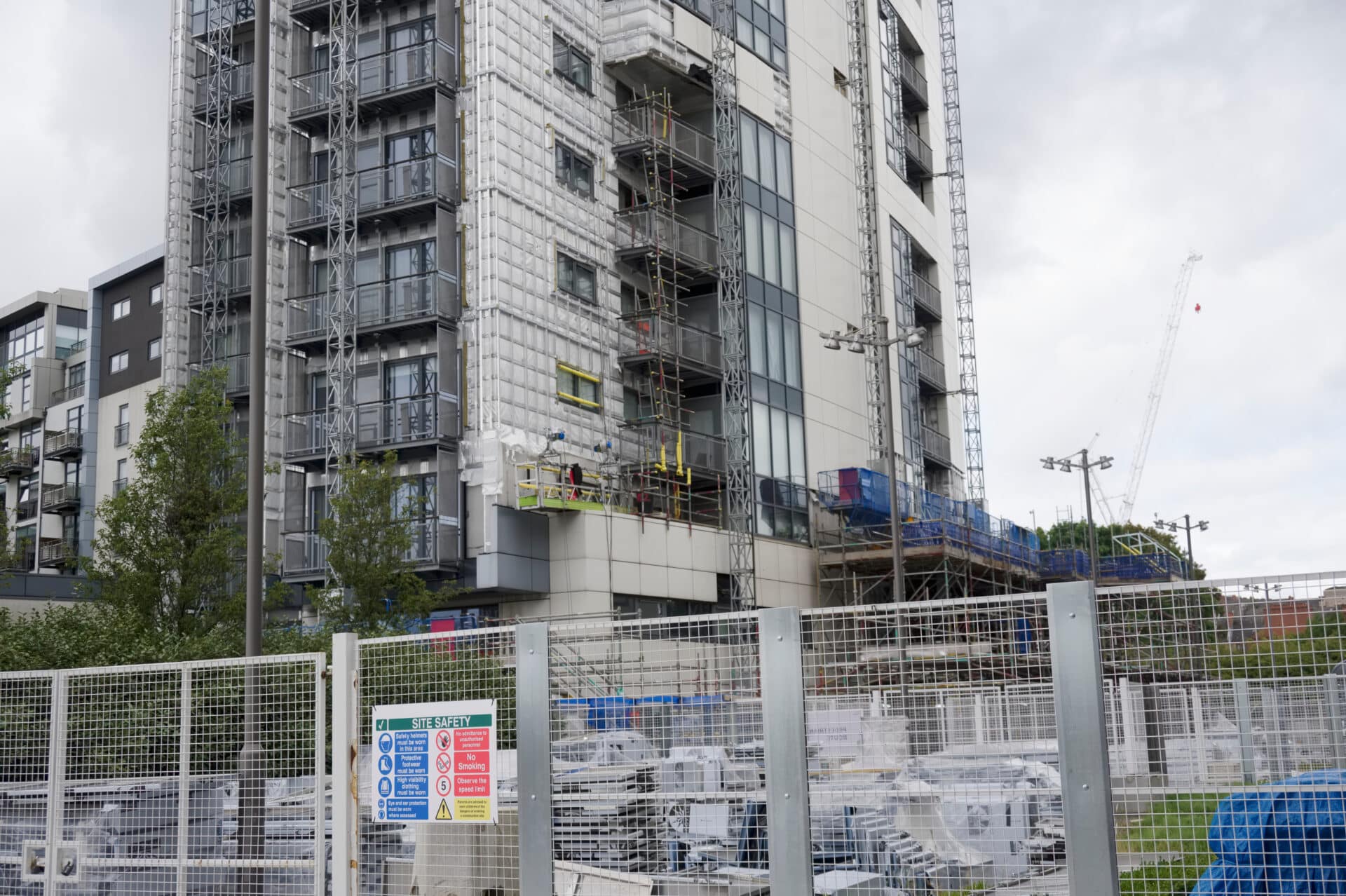

The National Audit Office (NAO) has recommended the Government to establish a clear deadline for completing dangerous cladding remediation works.
- The NAO’s call follows the Grenfell Inquiry, highlighting ongoing risks associated with unsafe cladding on high-rise buildings.
- Despite progress, over 7,200 buildings with dangerous cladding remain unidentified, causing distress to residents.
- Building owners face challenges in complying with voluntary remediation grants, adding to the complexities in addressing unsafe cladding.
- A new Building Safety Levy aims to recoup taxpayer funds as the Government commits £9.1bn towards remediation efforts.
In a report released today, the National Audit Office (NAO) has underscored the pressing need for the Government to publish a definitive timeline for the completion of cladding remediation across the UK. The report aligns with findings from the Grenfell Inquiry, which investigated the devastating fire that claimed 72 lives in June 2017. This inquiry has brought to light the root causes of such tragedies, prompting a nationwide reassessment of building safety standards.
The NAO’s report, which is the first comprehensive review since the Government consolidated various remediation programmes into a single portfolio in 2023, highlights the complexities and delays in addressing dangerous cladding issues. Currently, the remediation programme encompasses approximately 4,771 buildings, amounting to only a fraction of the estimated 9,000 to 12,000 buildings over 11 metres that require urgent attention. Consequently, the identification and remediation efforts lag significantly, leaving many residents in financial and emotional turmoil due to the uncertainty surrounding their safety.
A significant challenge hampering progress is the voluntary nature of government grant programmes for building owners. The report indicates that ongoing difficulties in identifying ownership and inaccurate building records complicate efforts to engage more building owners in the remediation process. Moreover, there are concerns that owners may hesitate to participate for fear of discovering issues beyond the scope of government grants.
To fund the extensive £16.6 billion remediation project, the Government plans to provide £9.1 billion. Developers, private owners, and social housing providers will shoulder the remaining costs. In a bid to alleviate the financial burden on taxpayers, the Government aims to recover £700 million from developers and introduce a Building Safety Levy expected to generate an additional £3.4 billion. This levy will be imposed on new developments, although details of its implementation are still pending confirmation, with expectations set for no sooner than autumn 2025.
While the approach to funding remains largely reliant on developers, building safety experts, including Gareth Davies, head of the NAO, stress the importance of ensuring that these strategies do not conflict with other government priorities, such as decarbonisation and housing development. Additionally, there are concerns that the focus on recouping costs may exacerbate existing delays, potentially impeding the overall effectiveness of the remediation efforts.
As the country navigates these challenges, mandatory registration for high-rise buildings is in place as per the Building Safety Act 2022. However, medium-rise buildings between 11 to 18 metres do not fall under mandatory registration, causing further delays. The NAO calls for a more streamlined and cohesive strategy to expedite the identification and remediation of all at-risk buildings. The continued collection of national building data is seen as vital for aligning future government initiatives with the ongoing cladding remediation efforts.
The National Audit Office underscores the urgent need for a clear government strategy and timely action to ensure all unsafe buildings in the UK are made secure.
