
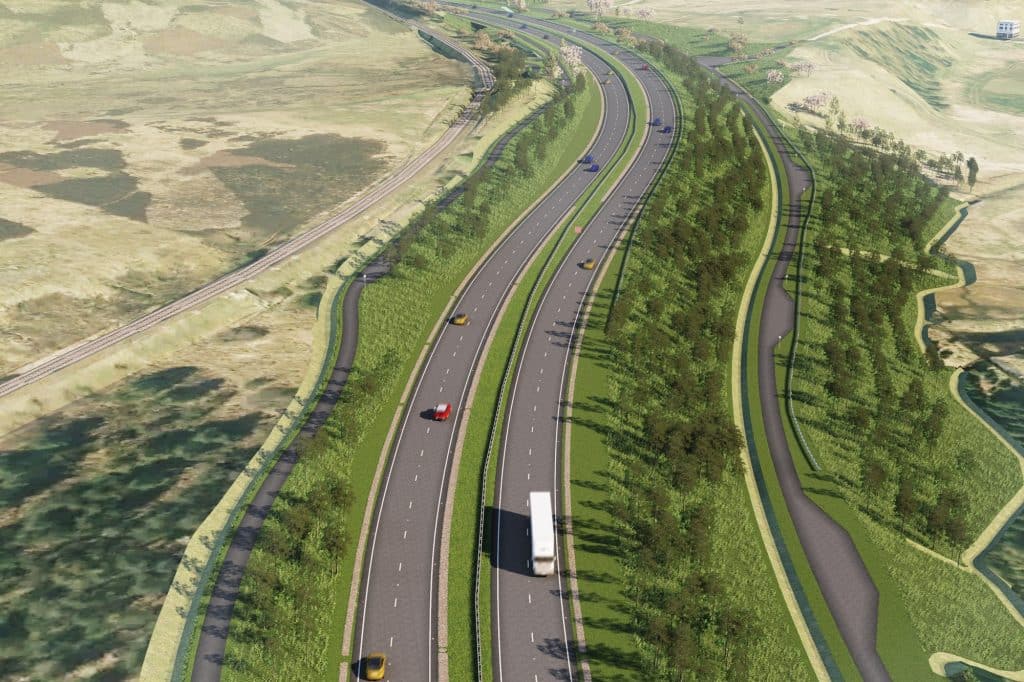

Concerns arise over funding for the A9 Dualling project as a Scottish committee remains sceptical.
- The projected completion date has shifted from 2025 to 2035, sparking debate among officials.
- Despite previous assurances, the committee doubts the availability of necessary capital.
- Two sections of the project are complete, but significant work remains.
- Transport Scotland faces criticism over delays and funding uncertainties.
A committee of Scottish MPs has expressed doubts about the availability of funding to complete the A9 Dualling project, a £3.7 billion endeavour initially slated for completion by 2025 but now pushed to 2035. Despite assurances from the cabinet regarding capital funding, the committee remains sceptical about these assurances’ validity. This sentiment is part of a broader inquiry addressing the project’s delays and the credibility of funding promises.
According to the committee, which includes members from Labour, Conservatives, and the SNP, two sections of the project—Kincraig to Dalraddy and Luncarty to Pass of Birnam—are already complete. However, Transport Scotland’s inability to meet timelines for the remaining sections has led to being labelled as the ‘worst’ client by the Civil Engineering Contractors Association.
The committee’s report highlights the need for clear key decision points from the Scottish Government to ensure project completion by 2035. It stresses that the government must explicitly confirm the availability of funds, whether through mutual investment, capital funding, or other mechanisms, to avoid further delays and public trust erosion.
The report also points to concerns about anticipated delays in the Tomatin to Moy section, where Balfour Beatty has started preparatory work. The completion of this segment, crucial for connecting the Highlands and rural Perthshire to the rest of Scotland, faces potential setbacks.
Further, the report suggests that Transport Scotland should speed up procurement processes to boost contractor confidence and ensure the availability of workforce and materials. It blames the project’s stagnation on the Scottish Government’s failure to finalise funding agreements and address industry concerns about risk distribution in contracts.
In response, Transport Scotland acknowledges the committee’s findings and intends to consider the recommendations. Recently, they’ve moved forward with plans for additional sections of the A9, indicating ongoing efforts to progress despite existing challenges.
The completion of the A9 Dualling remains uncertain amid funding concerns and project delays.
