

The evolving landscape of the UK’s energy sector is under scrutiny as the relationship between Great British Energy (GBE) and Great British Nuclear (GBN) is questioned.
- Ynys Môn MP, Llinos Medi, has pushed for amendments to the Great British Energy Bill, advocating for collaboration with GBN on nuclear projects.
- Critics argue the current Bill lacks directives for nuclear energy integration, creating uncertainty for the development of new projects.
- The Nuclear Industry Association urges the government to clarify the roles of GBE and GBN in advancing nuclear initiatives.
- Talks between the UK and Korea’s Kepco suggest potential international investments into Wylfa, yet the government’s stance remains uncertain.
The recent discussion surrounding the UK’s energy framework has highlighted potential roadblocks in the collaboration between Great British Energy and Great British Nuclear. Ynys Môn MP, Llinos Medi, has taken a proactive stance by advocating for an amendment to the Great British Energy Bill. This amendment seeks to mandate cooperation with Great British Nuclear to advance nuclear energy projects essential for the country’s energy independence.
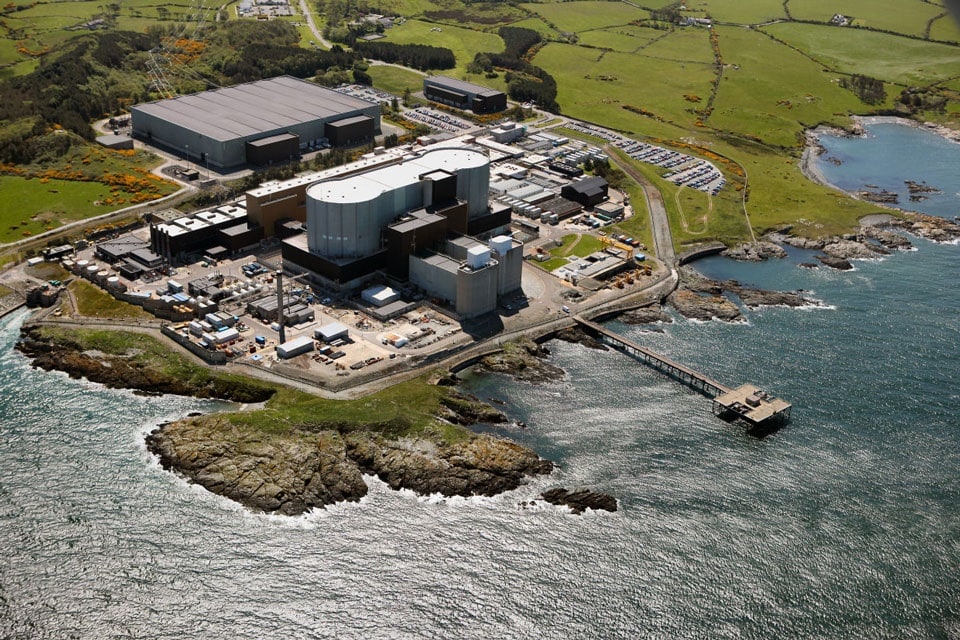
Central to the debate is the assertion that the current Bill does not adequately address nuclear energy’s pivotal role in the UK’s energy future. Medi, expressing disappointment, noted the absence of nuclear considerations in the Bill and underlined the urgent need for a strategic partnership between GBE and GBN. Such collaboration is deemed crucial for projects like the Wylfa site on Anglesey, which carries significant potential for nuclear development.
The Nuclear Industry Association has echoed these sentiments, calling for the government to provide explicit guidance on how GBE and GBN will coordinate their efforts. Their focus is not only on achieving energy security but also on the benefits that efficient nuclear project management could bring, such as clean power and job creation.
In a related development, the potential involvement of South Korea’s state nuclear company, Kepco, in the Wylfa Newydd project adds another layer of complexity. Reports suggest ongoing discussions with UK officials, although the new government’s energy secretary, Ed Miliband, might reconsider previous commitments to a large-scale nuclear power station. Alternatively, the site might be repurposed for deploying small modular reactors (SMRs).
The lack of a cohesive strategy from the Department for Energy Security and Net Zero further complicates the situation, leaving industry stakeholders and local constituents in a state of uncertainty regarding Wylfa’s future. As the conversation continues, the importance of clear governmental direction and strategic alignment becomes increasingly apparent.
Addressing these uncertainties is critical for the UK’s energy strategy and its broader economic and environmental goals.
