
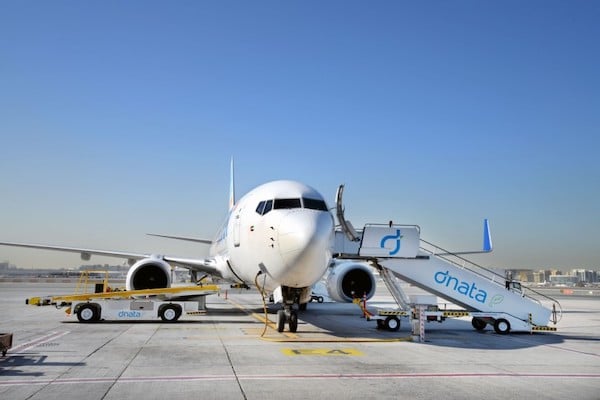

A significant development is on the horizon for travellers during the festive season as over 700 catering workers at major UK airports initiate a ballot for strike action. The potential disruption could impact airlines and passengers alike. Dnata, the company at the centre of this issue, is facing criticism from the Unite union for alleged unilateral changes to employees’ terms without proper consultation.
As the countdown to the Christmas period begins, these catering workers, crucial to inflight services, are voicing strong opposition against changes proposed by Dnata. The outcome of this ballot could lead to industrial action, causing notable disturbances in the operations of several airlines, including some of the largest carriers in the industry.
Backdrop of the Dispute
The ballot involving catering workers, centred predominantly at UK airports such as Heathrow, Gatwick, and Manchester, is of particular importance. These workers, employed by Dnata, a key provider in the aviation catering sector, are critical to ensuring smooth operations of airline services.
The core of the dispute lies in Dnata’s decision to alter workforce conditions. The Unite union accuses the firm of sidestepping standard consultative processes, a move that has provoked substantial unease amongst employees. This situation poses a potential threat to seamless airport operations during one of the peak travel periods of the year.
Union’s Standpoint
Unite has been vocal in its stance against the proposed changes, which include modifications to work schedules, annualised hours, and absence management policies. They’ve criticised Dnata for what they perceive as a lack of engagement with staff concerns.
Sharon Graham, general secretary of Unite, has made a direct statement regarding Dnata’s approach, emphasising the union’s commitment to supporting its members. “Dnata’s attempts to bypass its workers and force through damaging changes to terms and conditions will not be tolerated,” she stated.
Implications for Airlines
The ramifications of a strike could be severe, with possible service interruptions during the Christmas season. Airlines such as easyJet, Ryanair, and British Airways, among others, are likely to feel the impact should strike actions proceed.
This potential disruption underscores the critical reliance airlines have on Dnata’s catering services. The lack of resolution could force airlines to scramble for alternative arrangements to minimise passenger inconvenience.
Negotiation Opportunities
Unite’s national officer for aviation, Balvinder Bir, highlighted the consequences of a breakdown in negotiations. While pointing out that strikes could significantly affect major airlines, Bir maintains that there is still room for negotiation.
Bir has urged Dnata to engage in meaningful dialogue with Unite to avert the consequences of the proposed industrial action. The union remains open to discussions that could lead to a resolution favourable to both parties.
Dnata’s Financial Context
In a related development, Emirates Group, Dnata’s parent organisation, announced a record half-year profit of $2.8 billion. This financial backdrop adds another layer to the dispute, with union members likely feeling more aggrieved given the company’s financial success.
The financial health of Emirates Group, juxtaposed with the grievances of the catering staff, paints a picture of disparity and fuels the workers’ demands for fair treatment and acknowledgment of their grievances.
Potential Impact on Holiday Travel
With the possibility of strikes during the Christmas period, travellers are likely to face considerable disruption. The timing of this potential industrial action could not be worse for both passengers and airlines.
This looming threat is prompting concerns among industry stakeholders and passengers alike, who are awaiting the ballot results with bated breath. The resolution of this situation is paramount to avoiding chaos during what is traditionally an extremely busy travel season.
Airline Responses and Strategies
Airlines dependent on Dnata’s services are undoubtedly crafting contingency plans to mitigate disruption risks. This includes exploring alternative catering providers or adjusting service offerings temporarily.
Although some airlines might absorb the impact by leveraging existing contracts with alternative suppliers, the sudden demand surge could strain capacities and affect service quality, potentially impacting customer satisfaction significantly.
The airlines’ contingency frameworks are being tested. These measures are vital in ensuring the continuity of operations and minimising passenger discomfort during the festive period.
Government and Regulatory Perspectives
The potential disruption has not escaped the notice of regulatory bodies and government agencies, which are monitoring the situation closely. Their involvement could be crucial in brokering a resolution if negotiations stall.
Authorities are likely to be concerned about the wider implications of such disputes within the transport sector, particularly during periods of high passenger volume.
Conclusion of the Ballot
The decision on whether strike action will proceed is expected by December 5. That outcome will significantly dictate the operational landscape for affected airports and airlines.
Workers are expressing cautious optimism that Dnata will reconsider and engage with Unite’s proposals. However, should the talks fail to yield a compromise, the strike may proceed, disrupting operations and impacting passengers’ travel plans.
Industry stakeholders are hopeful for a resolution that safeguards both the interests of workers and ensures minimal disruption to airport operations. The outcome is keenly awaited by all parties involved.
The potential strike action by catering workers threatens to impact major airlines’ operations during a critical travel period. With negotiations ongoing, all parties are urged to find a path forward to prevent disruption.
