
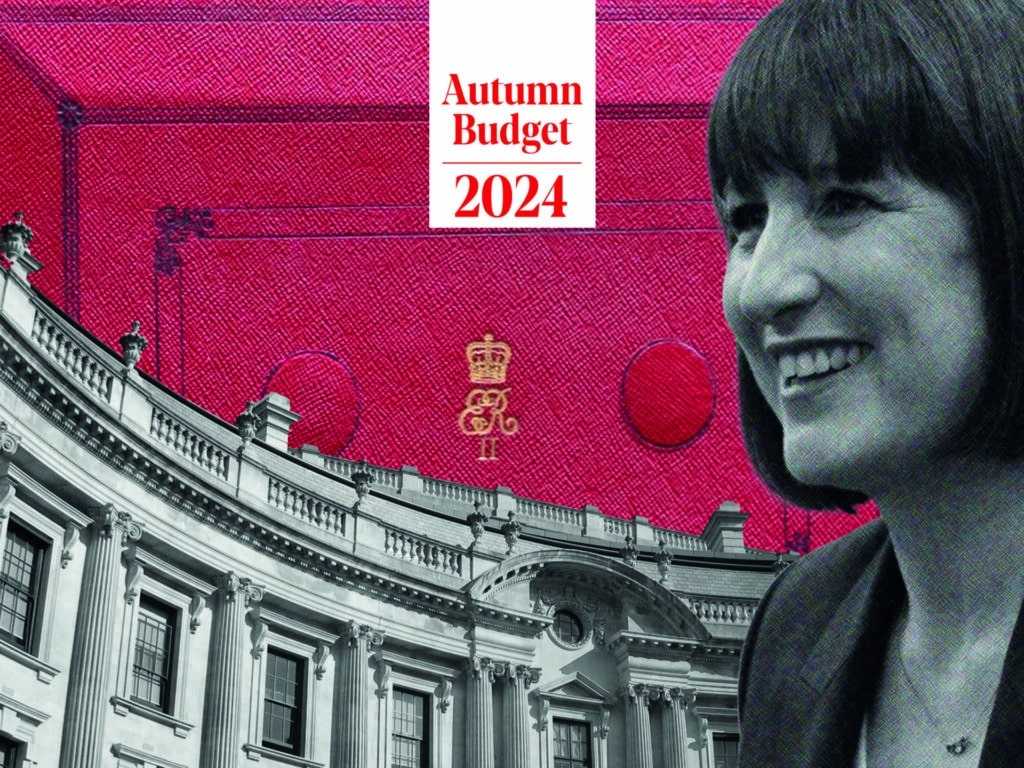

The Autumn Budget 2024 has come under criticism for neglecting first-time buyers in the UK.
- Experts argue that, despite a £5bn investment in affordable homes, the Budget lacks direct support measures.
- The absence of an extension for the Stamp Duty freeze and the Help to Buy scheme is a significant concern.
- Industry leaders emphasise the need for technological innovation to streamline house buying processes.
- Further government commitment is needed to support both lenders and first-time buyers.
The recent Autumn Budget 2024 has been criticised by housing experts for its failure to address the needs of first-time buyers. Though the government has allocated £5 billion towards increasing the supply of affordable homes, critics argue that more direct intervention is necessary to support those entering the property market for the first time.
One notable omission from the Budget is the lack of an extension for the Stamp Duty threshold freeze, a measure that was introduced by the previous administration. Additionally, the absence of a replacement for the Help to Buy scheme has raised concerns among industry stakeholders who fear that these oversights could exacerbate the challenges faced by prospective buyers.
Commenting on the situation, Melanie Spencer from Target Group pointed out that while the rise in Stamp Duty for second homes might reduce competition from investors, it does not address the core issue for first-time buyers. She emphasised the importance of technology and innovation in aiding the market amidst the lack of immediate government support.
John Phillips, CEO of Spicerhaart, noted that the Budget was an opportunity for the current government to demonstrate its commitment to housing beyond merely increasing supply. He highlighted the pressures on affordability and the need for mechanisms that can ease the path to homeownership for first-time buyers.
Furthermore, statements from Karl Wilkinson of Access Financial Services suggest that economic policies such as the freeze on fuel costs and taxes could indirectly benefit first-time buyers by stabilising household expenses. However, the disparity between wages and required deposits remains a formidable barrier without new policies like zero-deposit mortgages.
Joe Pepper of PEXA welcomed the commitment to building 1.5 million homes but questioned the readiness of the current infrastructure to support such ambitious plans. He called for private investment in technology to enhance the efficacy of housing market transactions.
Matthew Parden, CEO of Marygold & Co, addressed the interplay between taxation and small businesses, highlighting the importance of clear financial planning in light of potential tax increases. This perspective, though tangentially related to first-time buyers, underscores broader economic implications that could affect the housing market.
The Autumn Budget 2024 appears to have fallen short in supporting first-time buyers, with calls for more comprehensive measures growing louder.
