
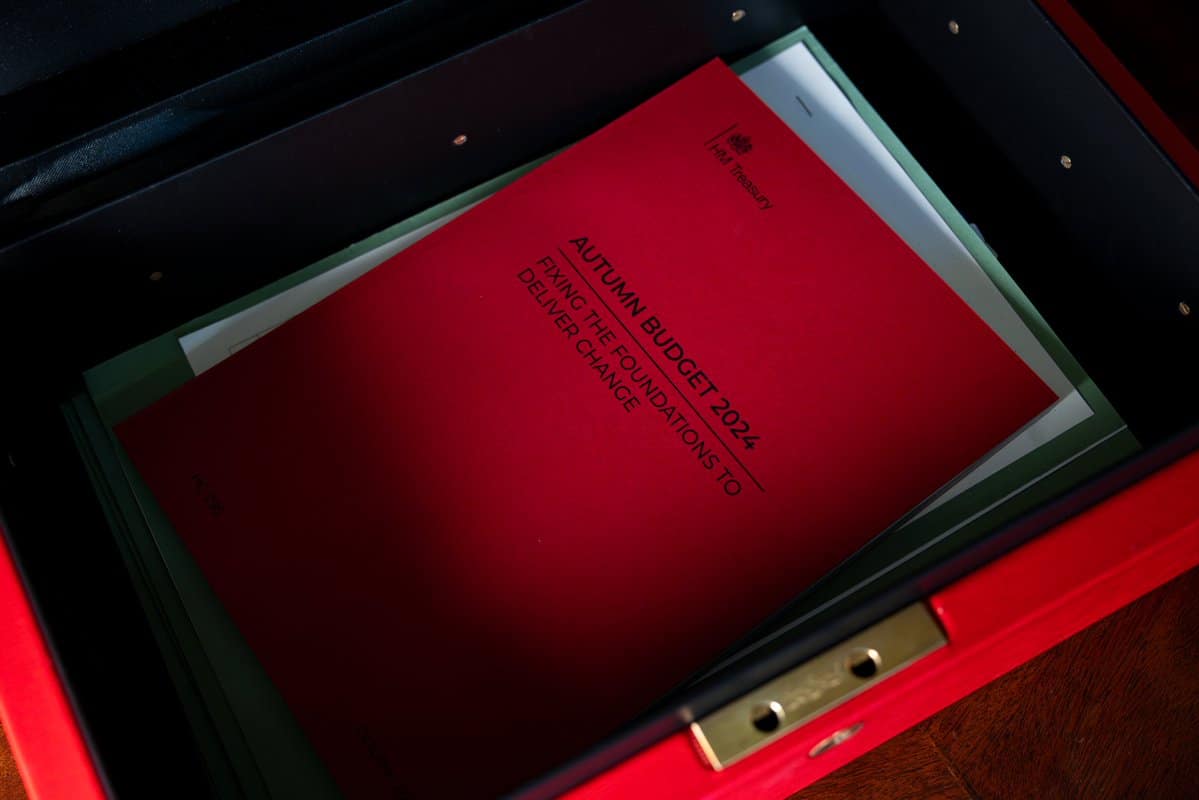

The Autumn Budget 2024 introduces significant changes for property investors.
- Speculation about Capital Gains Tax rises proved unfounded, easing investor concerns.
- An additional 2% Stamp Duty Land Tax surcharge now applies to additional dwellings.
- The property market gains greater stability and clarity following the Budget.
- Alternative Bridging Corporation notes increased demand for specialist financial products.
The Autumn Budget 2024 has brought about some crucial changes impacting the UK’s property market, marking a decisive moment for investors. Concerns about a potential rise in Capital Gains Tax (CGT) have been allayed, with no such increase included in the Budget. This development is likely to be reassuring for investors, as it eliminates the uncertainty surrounding potential CGT hikes, which had been a major topic of speculation.
Instead, property investors will now face an additional 2% surcharge on Stamp Duty Land Tax (SDLT) for additional properties. This adjustment increases the total SDLT burden on such transactions to 5%. While this change represents an additional cost, it might be seen as a more predictable and manageable outcome compared to a CGT increase, which could have had more unpredictable consequences based on property appreciation.
Alternative Bridging Corporation has welcomed the Budget’s introduction of a clearer taxation structure. They observe this as a step towards greater stability, which is crucial for strategic financial planning. The company has reported an uptick in demand for its specialised products, which include bridging finance and development funding. A standout offering is their Alternative Term Loan, devoid of early repayment charges, providing flexibility and cost-efficiency to investors managing extensive portfolios.
Jonathan Rubins, director and chief commercial officer, highlighted that the SDLT change provides a clear framework for property transactions, helping investors anticipate costs more effectively. He emphasised that while CGT exposure remains uncertain until realised, SDLT costs can be addressed through careful negotiation at the outset of purchasing dealings. This clarity is essential for investors who have previously navigated volatile financial environments such as the global financial crisis and the Covid-19 pandemic.
Rubins also indicated that their focus remains on delivering adaptable financial solutions tailored to client needs. This includes offerings like short-term bridging loans and the longer-term, penalty-free Alternative Term Loan. As the property landscape continues to evolve, maintaining adaptable strategies is vital to securing investor success across varying market conditions.
The Autumn Budget 2024 provides property investors with a firmer foundation for financial planning through its clear taxation policy.
