
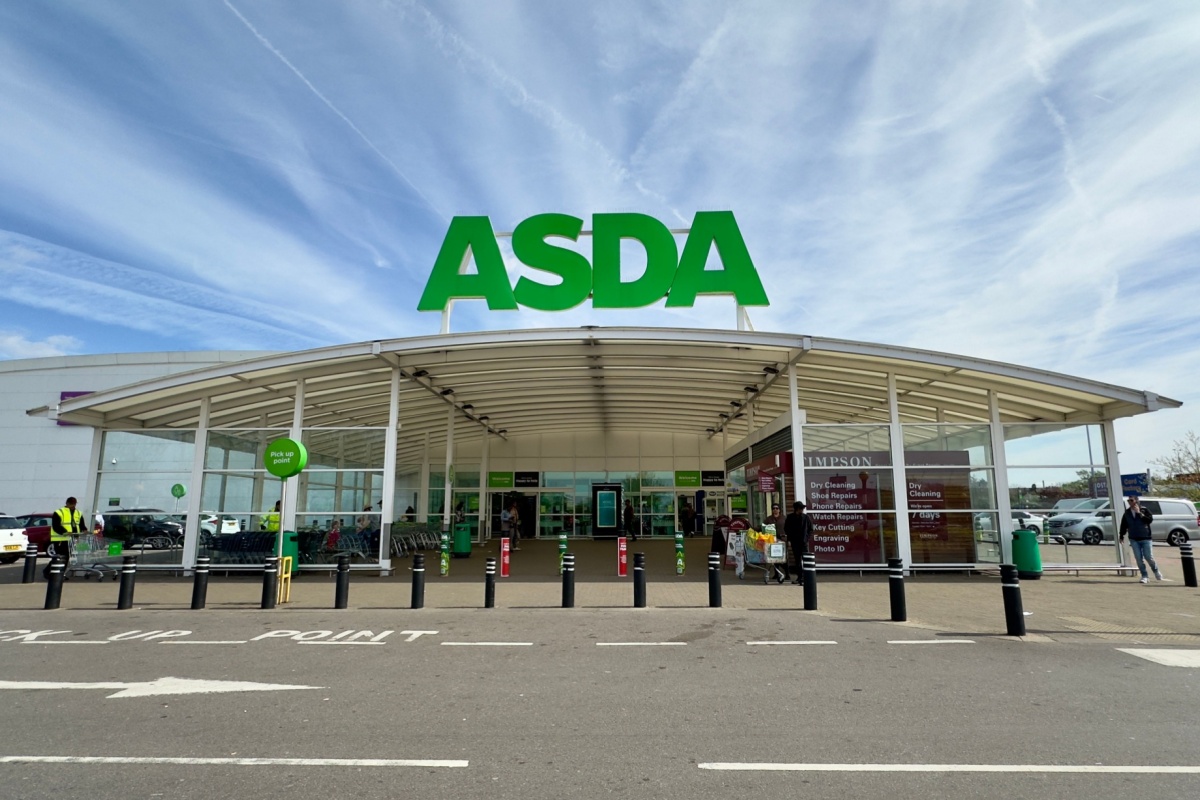

Asda initiates a trial for a self-service returns drop box, aiming for enhanced customer convenience.
- Customers can return goods by scanning receipts and barcodes, depositing items into a chute or cupboard.
- In scenarios without receipts, manual assistance is available, ensuring refund processes are smooth.
- Additionally, automated kiosks for tobacco and vapes are being tested to reduce queue times.
- These moves align with industry trends as other retailers adapt similar technologies.
Asda is pioneering a self-service returns drop box at its Ashton-under-Lyne store in Greater Manchester, enabling customers to return unwanted or faulty goods efficiently. By scanning their receipt and barcode, customers can utilise the self-service machine to deposit items into a designated chute or cupboard, facilitating a streamlined refund process. This trial extends to a variety of products, from groceries to electronics.
If a refund cannot be automatically processed, notably when customers lack a receipt, Asda offers manual assistance to ensure service completion. This feature enhances the customer experience by addressing potential obstacles in the return process, minimising inconvenience.
Asda is also trialling a novel approach for purchasing tobacco and vape products without the need for traditional kiosk queues. Initially, staff will serve from existing kiosks with the aid of dispensers. Eventually, customers will engage with self-serve tills where age verification occurs, followed by receipt scanning at automated vending machines for item collection. This initiative targets the reduction of wait times, particularly after grocery payments.
Asda’s senior manager for retail front-end service, Alexander Lacy, acknowledged the customer frustrations with current kiosk and customer service desk operations, expressing Asda’s commitment to addressing these through innovative solutions. “We recognise that a key pinch point for customers is at the kiosk and customer service desks in our stores, with added queue times and multiple missions taking place in a small area,” Lacy noted.
This move aligns Asda with industry-wide shifts towards greater self-service technology, as shown by similar trials at other retailers like Sainsbury’s, which is experimenting with expanded self-checkout facilities to boost operational efficiency.
Asda’s trials represent a significant step towards embracing self-service technology, potentially setting a new standard in retail convenience.
