
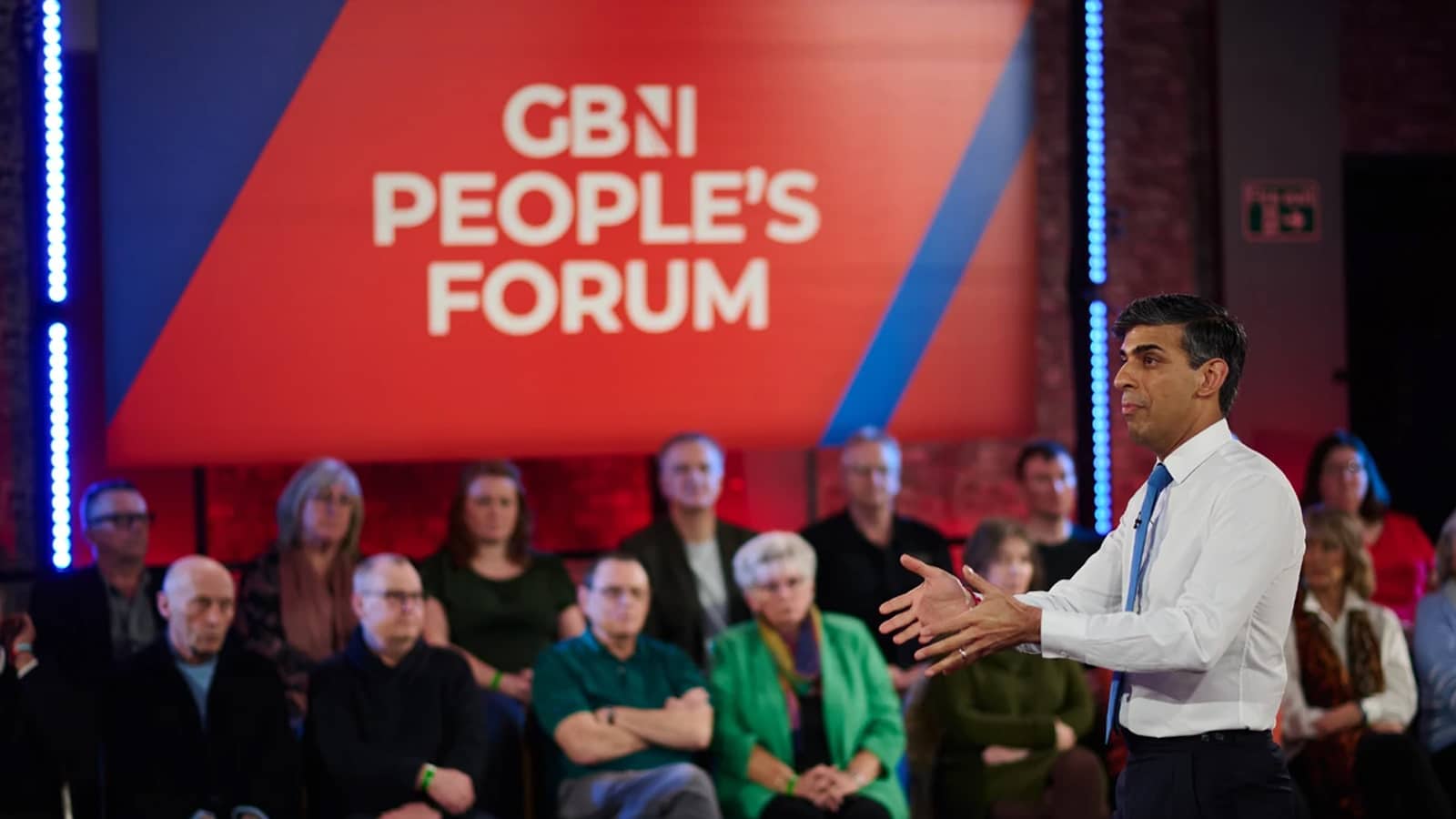

Ofcom’s decision to fine GB News has sparked a fierce debate on journalistic impartiality.
- The sanction is due to a programme aired in February featuring Rishi Sunak, which Ofcom deemed biased.
- GB News received approximately 500 complaints regarding the impartiality of this broadcast.
- A judicial review has been sought by GB News, challenging Ofcom’s ruling and fine.
- The controversy raises broader questions about media responsibility ahead of elections.
Ofcom has levied a £100,000 penalty on GB News following an investigation into its programme, the ‘People’s Forum: The Prime Minister.’ This hour-long segment, aired in February, featured the then Prime Minister Rishi Sunak and was broadcast during a critical time leading up to a general election. According to Ofcom’s findings, the show failed to present a sufficiently wide range of significant viewpoints, thus breaching the Broadcasting Code’s due impartiality rules.
The programme attracted approximately 500 complaints, highlighting concerns over the lack of contesting perspectives during the broadcast. Ofcom’s investigation concluded that the show provided Mr. Sunak with an uncontested platform to advocate for his government’s policies. This breach of impartiality was deemed significant given the proximity to a general election, leading to severe scrutiny and subsequent penalty.
GB News has publicly rebuked the decision, viewing it as an infringement on journalistic freedom. Angelos Frangopoulos, CEO of GB News, described the sanction as “a direct attack on free speech and journalism” while asserting the broadcaster’s belief in the public interest value of the programme. The broadcaster is pursuing a judicial review, contending the ruling as unnecessary, unfair, and unlawful.
The outcome of the judicial review remains pending, potentially impacting the enforcement of the fine and mandated broadcast of Ofcom’s findings. GB News argues that they have adhered to regulations and that Ofcom must also ensure fairness in their application of these rules. The case thus underscores ongoing tensions in the media landscape regarding regulatory boundaries and freedoms.
As the proceedings unfold, the decision has sparked broader discussions on the role and responsibilities of broadcasters amid politically sensitive periods. This situation highlights the critical balance between maintaining journalistic integrity and ensuring diverse perspectives, particularly when programming could influence public opinion during election times.
The outcome of GB News’ challenge against Ofcom’s ruling may set significant precedents for media regulations.
