
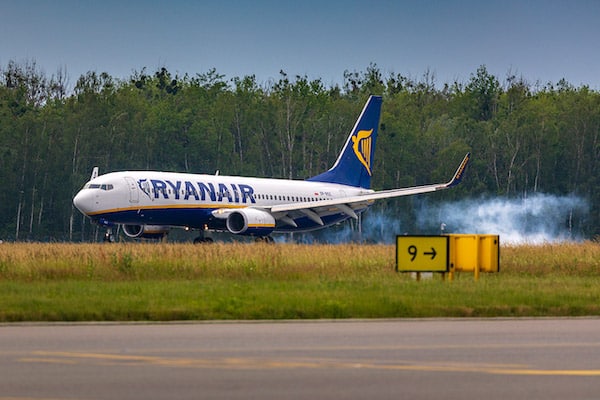

Ryanair reports an 18% profit decline, attributing this to Boeing’s delivery delays, impacting future growth. Despite this setback, traffic increased by 9%, highlighting adaptations in their approach. The airline continues to adjust capacity and stress operational flexibility as key to navigating market challenges.
Financial results show a drop in airfare prices, with Ryanair capturing market share amidst economic pressures. The airline focuses on resilient operations and advocacy for improved air traffic control to mitigate disruptions. With ongoing geopolitical concerns, Ryanair remains focused on strategic agility to steer through uncertainties.
Impact of Boeing Delays
Ryanair has faced significant challenges this fiscal period due to unexpected delays in Boeing aircraft deliveries. These delays have disrupted the airline’s growth strategy, leading to a notable impact on profit margins. The airline had anticipated the arrival of several new Boeing 737 planes, but supply chain issues have pushed back these deliveries. This situation underscores the broader industry’s reliance on timely aircraft procurement and the cascading effects when such schedules are disrupted.
Financial Performance Overview
The financial hit experienced by Ryanair reflects the intricate dynamics of the aviation industry, particularly during periods of heightened operational challenges. Ryanair reported a decrease in net profit of 18%, bringing it to €1.79 billion for the first half of the fiscal year. This decline, set against a backdrop of strong traffic growth of 9%, highlights the complexities of managing costs and revenues in times of unpredictable external disruptions.
Airfare Adjustments and Consumer Behaviour
The decline in fares was linked to a wider trend of reduced consumer spending and lower bookings via online travel agencies. These market conditions compelled Ryanair to adopt a more aggressive pricing model to maintain passenger numbers. Despite the pricing pressures, Ryanair achieved a 9% increase in passenger traffic, underscoring its ability to adapt to shifting market dynamics.
Operational Adjustments
By proactively reallocating capacity and adjusting growth plans, Ryanair is positioning itself to better navigate the volatile market landscape. This strategic shift is designed to minimise the risks associated with delayed aircraft deliveries and fluctuating travel demand.
Impact of Air Traffic Control and Regulatory Environment
These advocacy efforts align with Ryanair’s broader operational goals, particularly as it seeks to buffer the impacts of external operational challenges through improved regulatory frameworks and infrastructure enhancements.
Future Market Positioning
By aligning growth with favourable fiscal policies, Ryanair aims to fortify its market presence, ensuring it remains at the forefront of consumer choice amidst challenging economic conditions.
Challenges in Aircraft Fleet Expansion
This delay, compounded by the airline’s dependence on Boeing’s production schedule, underscores the sensitivity of airline expansion strategies to supplier reliability. The ripple effects extend beyond Ryanair, highlighting a broader industry issue that affects operational planning at scale.
Adapting to Passenger Demand
The increase in passenger traffic has also been bolstered by an uptick in ancillary revenues, which saw a 10% rise. These additional revenue streams have been instrumental in cushioning the financial impact of lowered airfares, further underscoring Ryanair’s strategic acumen in navigating financial pressures.
Outlook for the Upcoming Fiscal Year
Ryanair’s strategies reflect a blend of proactive risk management and adaptive market approaches, aiming to safeguard its growth trajectories in the face of uncertainties.
Navigating significant sector challenges, Ryanair’s strategic shifts illustrate its resilience. By realigning operations, adjusting pricing, and advocating for regulatory improvements, the airline positions itself for recovery.
The focus on strategic agility and market adaptability underlines Ryanair’s commitment to overcoming current adversities, seeking long-term growth.
