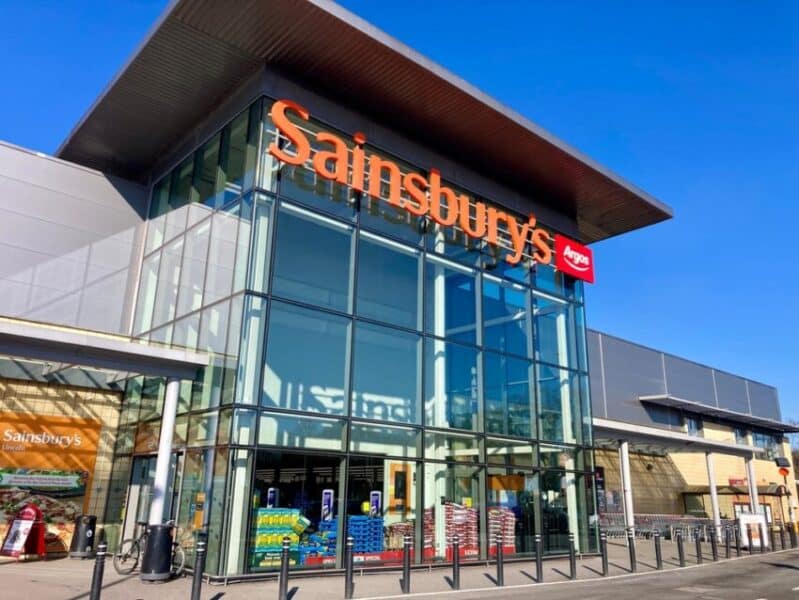
Sainsbury’s has made notable progress in its food division with a significant rise in sales. However, challenges loom over the company, primarily stemming from its Argos division.
The British supermarket giant reported a 5% increase in food sales, attributed to changing consumer behaviours and strategic initiatives. Yet, the retailer faced a 5% decline in Argos sales, reflecting adverse market conditions. This mixed performance paints a nuanced picture of Sainsbury’s current standing in the retail sector.
Food Division Gains Strength
Sainsbury’s has observed a robust 5% growth in food sales, marking a significant achievement in a competitive market. The company now boasts a market share of 15.2%, second only to Tesco. CEO Simon Roberts highlighted the shift in consumer habits towards home dining as a key factor behind this growth. Moreover, Sainsbury’s continues to expand its range with 600 new products in convenience stores, effectively capturing customers’ attention and preference.
Argos Struggles Under Market Pressure
Despite Sainsbury’s success in groceries, Argos experienced a 5% decline in sales during the first half of the year. Factors like atypical summer weather and a cautious spending attitude on big-ticket items contributed to this downturn. In response, Sainsbury’s has introduced promotional strategies aiming to revitalise Argos sales.
Argos faced significant obstacles with decreased online traffic adding pressure. The company’s efforts to boost sales through discounts provided some relief, suggesting potential for recovery in the upcoming months.
Technological Investments and Strategies
Sainsbury’s is committing resources towards AI and automation innovations. The collaboration with Blue Yonder aims to optimise stock and reduce waste.
The AI technology forecasts product demand, enabling Sainsbury’s to enhance efficiency. This investment is part of a broader strategy to address changing market dynamics. As Sainsbury’s adapts to the evolving landscape, it seeks to maintain a balance between innovation and consumer needs.
Alongside technological advancements, Sainsbury’s is focusing on pricing strategies. The Aldi price-match scheme has been pivotal in attracting new customers, with approximately 25% of weekly shoppers being first-time buyers.
Financial Overview and Projections
Sainsbury’s total retail sales, excluding fuel, rose by 3.1%, reaching £16.3 billion. However, headline pre-tax profits showed a modest increase of 4.7% to £356 million, while statutory pre-tax profit plunged 52% to £131 million due to planned investments.
The drop in statutory profits is largely attributed to a strategic £27 million investment aimed at business growth. Sainsbury’s anticipates a stronger financial position in the second half of the year.
Impact of Market Trends and Consumer Behaviour
Sainsbury’s performance reflects broader market trends, with consumers shifting towards at-home dining. The rising cost of eating out has led to increased spending on high-quality in-home products. This trend is a driving force behind Sainsbury’s growing market share.
The changing consumer preferences underscore the need for retailers to adapt swiftly. Sainsbury’s has successfully positioned itself to capitalise on these shifts.
Challenges and Opportunities in the Retail Sector
While Sainsbury’s faces challenges from Argos, opportunities in the grocery sector remain strong. The company’s proactive strategies in food sales demonstrate its resilience.
Argos’s difficulties highlight the challenges of maintaining momentum across diverse segments. Sainsbury’s strategic initiatives aim to address these issues and leverage upcoming opportunities. Roberts remains optimistic about Argos’s future performance, especially during key shopping periods like Black Friday.
Future Outlook and Strategic Goals
Sainsbury’s is projecting an underlying operating profit of £1.01 billion to £1.06 billion for the full year. The company is optimistic about its festive season preparations and expects growth of 5-10%.
Despite current challenges, Sainsbury’s strategic focus on food and customer loyalty is likely to yield positive results.
Market Analyst Insights
Analysts like Clive Black of Shore Capital commend Sainsbury’s for improving its core value propositions. “Sainsbury’s has materially enhanced its credentials,” said Black.
Such endorsements from market experts suggest growing consumer trust and satisfaction in Sainsbury’s offerings.
Call for Government Support for Agriculture
CEO Roberts has urged government action to support British farmers amidst tax changes affecting agricultural assets.
Roberts’ plea highlights the interconnectedness of retail and agriculture. Ensuring a robust food system is vital for long-term sustainability. The call to action emphasises the importance of collaborative efforts to bolster the agricultural sector.
Sainsbury’s presents a complex narrative of growth and challenge. The company’s strategic actions in food sales and technology are indicative of its adaptive approach. Despite hurdles from Argos, Sainsbury’s has set a solid foundation for future growth.