
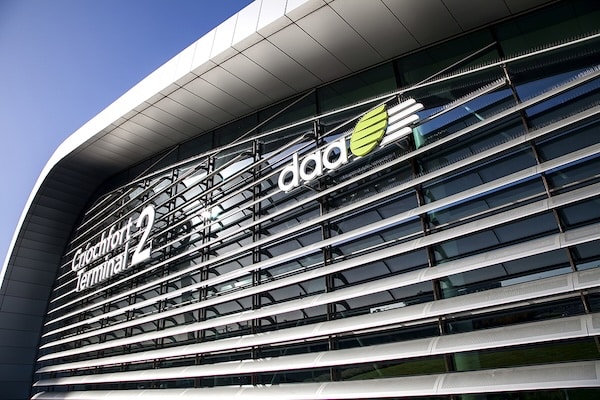

Dublin airport’s recent imposition of a passenger cap has raised alarm across various sectors. Seen as a constraint to the fluidity of UK-Ireland travel, it threatens business efficiency. This cap, affecting 32 million passengers annually, poses potential economic setbacks, prompting calls for reassessment.
Business travel, a vital component of corporate strategy, is under threat from this passenger cap. With anticipated higher costs and fewer flight options, firms face tough decisions. The economic impact could be widespread, reducing Ireland’s appeal as a business hub and affecting its global links.
Impacts on Business Travel
The recent decision by Dublin airport to implement a cap on passenger numbers has stirred considerable concern within the travel industry. Businesses, particularly small and medium enterprises, fear disruptions in connectivity between the UK and Ireland. The cap is seen not just as an aviation issue, but as a factor potentially hindering economic collaboration between the two closely linked economies. This restriction is expected to create significant challenges for business travel, which relies heavily on these routes for efficiency and convenience.
Economic Implications for Ireland
With Dublin airport’s annual passenger cap set at 32 million, the economic ramifications are expected to be profound. According to Dublin Airport Authority (DAA), the passenger limit could cost the Irish economy at least €500 million. The cap could potentially increase to €700 million when loss of airfares is considered. This ceiling has already led some airlines to cut down their operations, exacerbating the economic strain. The broader economic impact on tourism and employment underscores the need for reassessment of this policy.
DAA has highlighted the importance of revising the cap. It believes that raising it to 40 million passengers annually would align with national aviation policy and support economic growth. This adjustment is deemed crucial as the current cap is not sustainable for Ireland’s economic ambitions.
Ripple Effects on Flight Operations
The cap on passenger numbers has prompted airlines to scale back operations at Dublin airport, citing operational and financial uncertainties. This reaction from airlines is driven by the need to adjust their strategies amidst an unpredictable capacity limit, leading to reduced frequencies and, in some cases, complete route suspensions. The knock-on effect is anticipated to cause further complications for business passengers who depend on frequent connections.
The alteration in flight operations is projected to lead to diminished availability, particularly during peak periods. This could significantly hamper travel plans, making last-minute bookings more challenging and expensive. For corporate travellers who schedule trips weeks in advance, the impact will likely be felt through higher ticket prices and limited flight options, leading to inefficiencies and additional costs.
Moreover, the congestion anticipated with fewer direct flights could stretch travel times, further complicating the schedules of time-sensitive business travellers. Such constraints threaten the ease of transit that businesses have come to rely on, necessitating immediate attention to prevent long-term disruptions.
Corporate Concerns and Strategic Adjustments
For companies that depend on swift and regular journeys to the UK, Dublin’s passenger cap poses substantial hurdles. Many businesses view travel as a non-negotiable part of their operational strategy, essential for sustaining growth and exploring new markets. However, the current restrictions could compel firms to reconsider their travel policies, potentially stifling expansion plans and reducing opportunities for client engagement.
The escalating cost of air travel resulting from the cap forces businesses to rethink their budgets, potentially redistributing resources to accommodate higher travel expenses. Given the strategic importance of travel, companies may be required to find alternative methods to maintain overseas connections, such as increasing reliance on virtual meetings or exploring travel partnerships that could offer some relief from soaring costs.
Call for Policy Revisions
The aviation sector is urging policymakers to reconsider the current cap, highlighting its adverse effects on trade and commerce. Experts argue that aligning the airport’s passenger capacity with Ireland’s growth objectives is paramount. A revision in the cap would not only alleviate pressure on the business community but also signal a commitment to nurturing economic productivity and international connectivity.
The call for policy change is driven by the necessity to safeguard Ireland’s standing as a competitive business hub. Without changes, the passenger cap is likely to continue hindering the growth of enterprises by creating artificial barriers to travel, ultimately impacting the country’s ability to attract and retain international business. As such, a strategic reassessment is needed to sustain economic progress.
Statements from Industry Leaders
Industry leaders have been vocal about the ramifications of the passenger cap, stressing that travel is not merely a luxury but a vital component of business success. As FCM Travel’s Europe managing director, Andy Hegley expressed, travel is integral to a company’s growth and survival strategy. This sentiment reflects the broader consensus that the restrictions are detrimental to business operations.
Andy Hegley highlighted a notable increase in ticket prices, with fares from Dublin to London rising by nearly 24% compared to last year. Such statistics underscore the financial strain businesses endure due to the cap, prompting calls for proactive measures to mitigate these costs. Industry voices are unified in their advocacy for revising the policy to support sustainable business travel.
Potential Solutions and Recommendations
Experts suggest various strategies to navigate the constraints imposed by the cap. One proposed approach is enhancing airport infrastructural capacity to accommodate more passengers without compromising service quality. This would involve upgrading existing facilities and potentially expanding terminal operations to handle future demand efficiently.
Additionally, fostering partnerships with airlines could help optimise available routes, ensuring essential flights remain accessible. Encouraging flexible ticketing options might alleviate some financial pressures on businesses, allowing for more adaptive travel arrangements that could bypass some limitations posed by the cap.
The discussion also involves examining alternative hubs or airports that could serve as supplementary gateways, providing relief to Dublin’s congestion and offering more travel options. Such measures are seen as essential in preserving the dynamic nature of business travel.
Summary of Key Points
The Dublin airport passenger cap continues to be a significant issue affecting business travel and the Irish economy. The cap threatens to disrupt established travel patterns and increase costs, impacting both airlines and passengers. Calls for policy revision aim to align passenger capacity with economic objectives, supporting Ireland’s position as a hub of international business.
The ongoing dialogue between industry leaders and policymakers underscores the urgency of finding a viable solution. Without intervention, the constraints could lead to long-term economic repercussions, hindering the growth and competitiveness of Ireland’s business sector.
Conclusion of Findings
As the debate around Dublin’s airport capacity cap evolves, it remains clear that strategic action is imperative. The cap not only challenges aviation efficiency but also threatens the broader economic framework. Comprehensive measures are needed to mitigate its impact, ensuring travel remains a cornerstone of economic and business growth.
The necessity for policy revision is evident, as aligning Dublin airport’s capacity with Ireland’s economic goals remains a pressing priority. Without such adjustments, the cap may continue to strain the country’s business landscape, underscoring the need for timely and effective solutions.
Adjustments to Dublin’s airport capacity are necessary to protect Ireland’s economic future. The current cap strains business travel and growth. Without changes, these limitations may weaken Ireland’s competitive edge, necessitating policy reactions to uphold its status as a business leader.
