
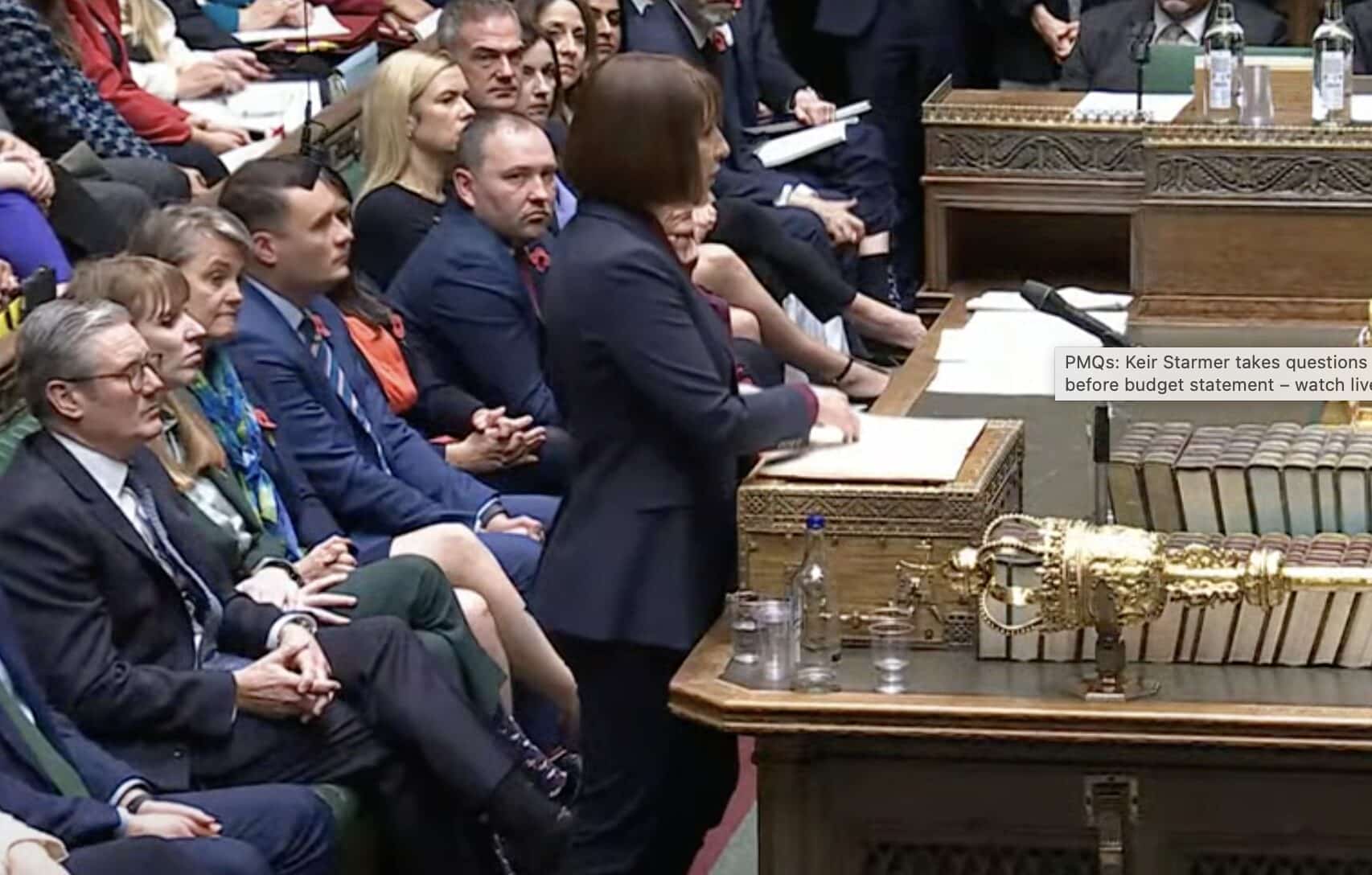

Chancellor Rachel Reeves has announced a freeze on Inheritance Tax (IHT) thresholds until 2030, prolonging previous measures.
- The IHT threshold for estates stays at £325,000, with increases for certain estates, until 2030.
- A significant loophole involving inherited pensions will be closed in 2027, influencing IHT obligations.
- Business and property relief adjustments will commence in 2026, impacting tax relief rates.
- Experts suggest that this freeze will increase the number of estates subject to IHT, affecting estate planning.
In a decisive move, Chancellor Rachel Reeves has declared that Inheritance Tax thresholds will remain frozen until 2030, extending the previous government’s policy by two additional years. This decision maintains the tax-free threshold of £325,000 for estates, which can increase to £500,000 when the estate includes a residence transferred to direct descendants, and up to £1 million when allowances are transferred to a surviving spouse or civil partner.
Reeves emphasised intentions to address a significant loophole caused by the previous administration’s policy when the lifetime allowance was removed. From April 2027, inherited pensions will be subjected to inheritance tax, a move to close this gap. Concurrently, updates to property relief and business property relief are planned to start in April 2026. Under these new terms, the first £1 million of aggregate business and agricultural assets will remain exempt, but assets exceeding this value will incur inheritance tax with a 50% relief, effectively taxing them at 20%.
A clear commitment by the government was shown towards supporting small family farms, with assurances that three-quarters of these claims would not be impacted by the new measures. Moreover, inheritance tax on shares from the alternative investment market will also benefit from a 50% relief, aligning their effective tax rate to 20%.
Commenting on the announcement, Stephen Lowe from Just Group remarked on the importance of the threshold freeze. As OBR forecasts for inheritance tax revenue have been adjusted upwards, reflecting the anticipated value of IHT to public funds, the threshold freeze and property growth together could expose more estates to tax obligations. Lowe advised individuals to seek current valuations to understand their potential inheritance tax liabilities, underlining that estate planning remains a sophisticated and necessary process.
The Chancellor’s decision to maintain current inheritance tax thresholds reflects a strategic approach to future fiscal planning.
