
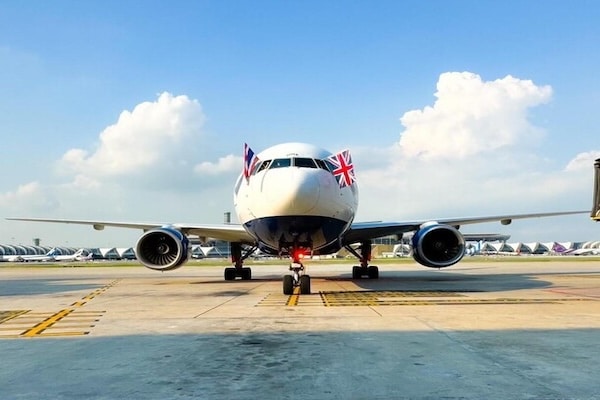

British Airways has resumed its Gatwick-Bangkok route after more than four years, marking a pivotal step in its recovery strategy. This move not only reconnects the UK and Thailand but also strengthens the airline’s presence in Southeast Asia. Operating with increased frequency in early 2025, the route promises to enhance travel options and economic ties.
Resuming this service underlines the importance of Bangkok as a travel hub, offering comprehensive connections through expanded codeshares with Bangkok Airways. Neil Chernoff, BA’s Chief Planning and Strategy Officer, recognises the high demand and potential for tourism and business travel. This is a notable development in the airline’s post-pandemic journey.
British Airways Resumes Bangkok Route
After a hiatus exceeding four years, British Airways has triumphantly recommenced its renowned flight services to Bangkok from Gatwick Airport. The return marks a significant milestone in the airline’s recovery phase post-pandemic. Currently, these flights will operate thrice weekly, but an increase in frequency to five times weekly is projected for the first two months of 2025, followed by four weekly flights in March of the same year. This adjustment is strategic, aligning with seasonal demand patterns and maximising potential passenger uptake.
Passenger options are enhanced by a three-class service on the route, with ticket prices initiating at a competitive rate of £718 for a return fare. This strategic pricing is in part to attract a diverse customer base, ranging from budget-conscious travellers to those seeking a more luxurious flying experience.
This service resumption is part of a larger strategy to revitalise British Airways’ global route map, targeting crucial gateways and travel landmarks around the world. Bangkok, in particular, has always been a high-demand destination among British Airways’ clientele due to its unique cultural allure and status as a travel hub.
Expansion and Connectivity
The expansion of British Airways’ network is significant not only for its direct offerings but also for its connective possibilities. The airline has widened its codeshare agreement with Bangkok Airways, creating seamless travel opportunities extending to five highly sought-after holiday spots—Koh Samui, Phuket, Chiang Mai, along with Phnom Penh and Siem Reap in Cambodia.
This broadened scope is beneficial not just for connecting travellers to Bangkok, but for extending their reach to other scenic parts of Southeast Asia. By establishing these connections, British Airways not only bolsters its market presence but also offers its passengers expansive options for the ultimate travel experience.
Strategic Importance
The strategic reintroduction of this route underscores Bangkok’s vital role within British Airways’ network. Bangkok serves as both a destination and a conduit to destinations deeper into Asia. The airline’s strategy reflects a response to customer demand and regional tourism trends, adapting to cater to leisure and business passengers alike.
By reinstating services to Thailand’s capital, British Airways aims to capture increasing international passenger traffic. The addition of these flights not only benefits the airline but enhances tourism ties between the UK and Southeast Asia. It symbolises the carrier’s commitment to restoring its pre-pandemic network while promoting global travel recovery.
Insight from Industry Leaders
British Airways’ Chief Planning and Strategy Officer, Neil Chernoff, expressed the company’s enthusiasm about the route’s return: “We know that Bangkok has been a highly anticipated route restart for our customers, so we are thrilled to see it firmly back on our global route map.”
The sentiment is echoed by Sadudee Sangnil, the Tourism Authority of Thailand’s director for the UK, Ireland & South Africa, highlighting perfect timing for the peak travel season. She stated, “It is great to welcome British Airways back to Thailand, and just in time for the peak season.”
This welcoming attitude from Thai tourism officials exemplifies the importance of the route for both tourism and cultural exchange, fostering deeper international connections and acknowledging mutual benefits of such aviation partnerships.
Tourism and Economic Benefits
The re-establishment of British Airways flights between Gatwick and Bangkok is anticipated to bring considerable economic and tourism advantages. Following the pandemic, destinations like Bangkok offer renewed opportunities for tourists seeking cultural immersion and winter sun. As a significant travel hub, the city presents gateways to explore less-travelled locales across Thailand.
Chiang Mai, despite recent floods, has recovered swiftly and now invites travellers warmly. Tourism authorities are encouraging visitors to see beyond popular hubs like Phuket, and to explore cultural sites, national parks, and unspoilt beaches. These offerings are essential to revitalise international tourism and stimulate local economies.
This recommencement is more than just a route—it represents a broader effort to invigorate travel, provide economic uplift, and facilitate cultural exchange between regions.
Challenges and Opportunities
Restarting international flights post-pandemic comes with a range of challenges and opportunities. Airlines must adhere to changing travel regulations and manage fluctuating demand. British Airways is navigating these evolving landscapes by adapting its flight offerings and maintaining agility in scheduling.
While the challenges are significant, the opportunities are attractive. The renewed Gatwick-Bangkok route exemplifies how airlines can balance passenger demand with operational realities. By reintroducing popular destinations, British Airways positions itself as a leader in reviving global air travel, connecting passengers to inspiration, adventure, and business opportunities.
In the long run, such strategic decisions are likely to pay off, rebuilding confidence in international travel and contributing to the global aviation industry’s overall recovery.
Future Prospects
Looking ahead, British Airways is positioned to expand further based on the success of the Bangkok route. With an increase in demand for Southeast Asian destinations, there is potential to introduce more flights or additional routes, tapping into a growing market of both leisure and business travellers.
With travel demand dynamically shifting globally, British Airways is poised to adapt its strategies, focusing on network expansion, robust partnerships, and responsive customer service. The overarching goal remains to connect more people to new experiences while maintaining service excellence.
Continued investment in route expansion and customer engagement can significantly bolster British Airways’ market position, strengthening its brand in a competitive airline industry landscape.
Cultural and Social Impact
The revival of Bangkok flights is not just a commercial endeavour; it’s a gateway to cultural exchange and social connectivity. Routes like this foster better understanding and appreciation between diverse cultures, enhancing cross-border relations and tourism.
Travel bridges gaps and builds mutual respect among nations, fostering global interconnectedness. British Airways’ commitment to reinstating these flights echoes a broader desire for connectivity, shared experiences, and cultural dialogue.
Ultimately, the benefits of such connectivity extend beyond economics, enriching lives and broadening perspectives for travellers and local communities alike.
British Airways’ reinstatement of the Gatwick-Bangkok route symbolises a critical milestone in reigniting global travel. This initiative not only strengthens economic and tourism links but also enhances cultural exchanges between the UK and Thailand.
