
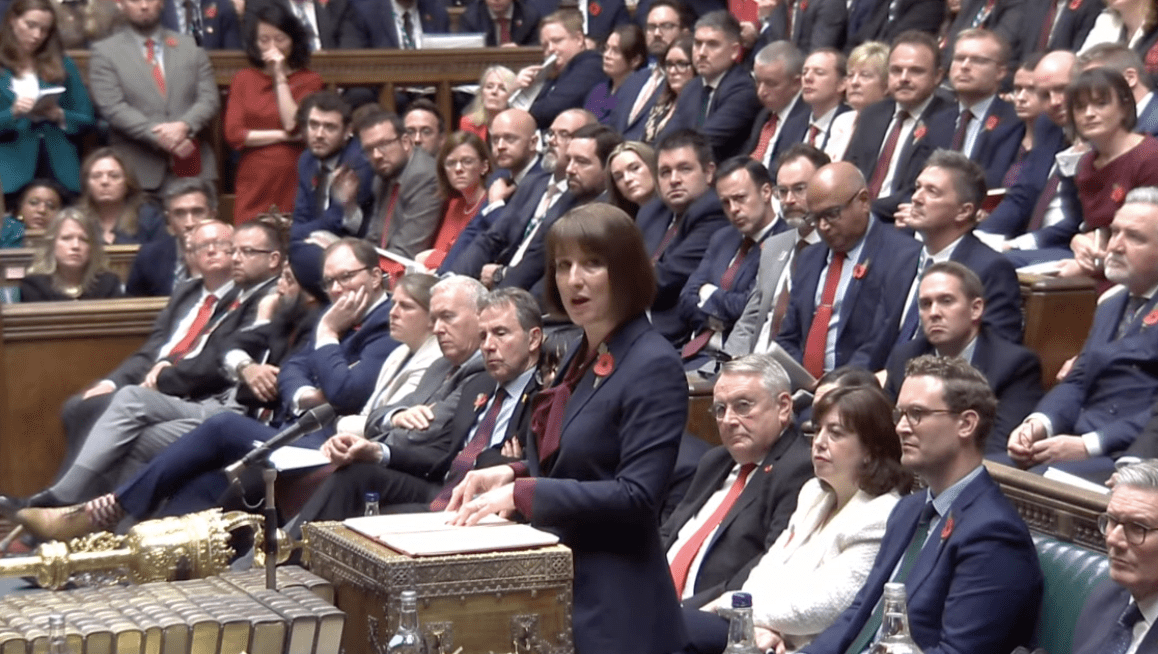

Chancellor Rachel Reeves delivers Labour’s first budget, highlighting significant fiscal strategies.
- Reeves introduces changes in capital gains tax and National Insurance to fund economic growth.
- The focus is on balancing increased business contributions with restrained personal taxes.
- The budget aims at boosting investment in digital and energy sectors.
- Fiscal restraint rules are relaxed to allow for enhanced capital expenditure.
Chancellor of the Exchequer, Rachel Reeves, presented the first budget of the Labour government since their ascension to power. This momentous occasion marks her as the first female Chancellor to deliver such a statement, and she used the opportunity to outline significant changes to the fiscal framework. Her proposals are seen as a litmus test for the government’s ability to meet its pledges concerning the economy.
One notable aspect of the announcement was a proposed increase in capital gains tax rates, signalling a shift towards leveraging business contributions to fortify public finances. In addition, the budget plans for increased National Insurance contributions from employers, a move aimed at bridging funding needs without burdening working individuals with additional taxes.
Reeves emphasised the strategic direction of increased investment in sectors such as digital and energy, conveying a vision of unlocking “massive opportunities to grow our economy.” By relaxing certain self-imposed fiscal rules, the government appears poised to elevate capital spending, reflecting a calculated decision to prioritize long-term growth over immediate fiscal constraints.
The Chancellor reiterated her commitment to refraining from imposing new taxes on working people, highlighting a fundamental aspect of the current administration’s economic approach. The overarching narrative is one of encouraging business contributions while maintaining a stable personal tax environment, creating a balanced platform for sustainable growth.
Overall, the budget speech delivered by Reeves sets the tone for the Labour government’s fiscal policy, with a clear emphasis on investment-led growth and the strategic harnessing of business resources to fuel broader economic objectives.
The speech underscores a clear intent to steer the British economy towards growth through strategic fiscal reforms.
