
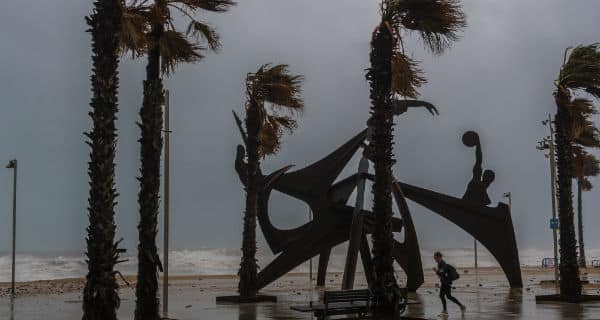

Barcelona has been hit hard by severe flooding, leading to significant disruption at El Prat airport. With over 80 flights impacted, travellers faced unexpected challenges. The floods were a consequence of intense rains, leaving key airport areas submerged. This alarming situation called for immediate action and management to ensure people’s safety and minimise inconvenience.
The flooding posed a severe threat to public safety and infrastructure, prompting red alerts from meteorological agencies. Communities and authorities responded swiftly, highlighting the collective effort to manage the crisis. As operations were impeded, the focus was on effective communication and resource allocation to mitigate the flood’s impact. The situation necessitated a coordinated response to restore normal operations.
The Flood Impact on El Prat Airport
Barcelona experienced a significant disruption in air travel as flooding engulfed parts of El Prat airport. More than 80 flights faced cancellations or delays, leaving travellers in distress. Key areas of Spain’s second largest airport were under water, signalling a severe impact on operations. The flooding situation demanded swift action and response from airport authorities to manage the crisis, ensuring safety and information dissemination.
The unexpected inundation at the airport portrayed a troubling scenario for those relying on air travel. Passengers were seen scrambling for alternative arrangements, with many opting for trains or buses. The local transport networks were also under strain, emphasising the need for real-time updates and communication to handle the overflow of passengers affected by the aviation halt.
Meteorological Warnings and Public Safety
The state meteorological agency of Spain had placed parts of Catalonia, including Barcelona, on red alert due to the impending severe weather. This warning highlighted the intensity of the torrential rains and the potential danger posed to the public, prompting both caution and preventive measures.
As the torrential downpour continued, the agency’s alert level was warranted. Citizens were advised to stay indoors and avoid unnecessary travel. The advisory included staying informed about evolving weather conditions and heeding instructions from local authorities to ensure personal safety. Such preparedness was essential in minimising harm.
Consequences on Transportation Infrastructure
Rail services faced suspensions due to the relentless weather conditions, compounding the difficulties for travellers. The disruption extended beyond flight cancellations, affecting daily commutes and logistics across the region.
Valencia experienced similar devastation the previous week, with the flooding causing severe interruptions. This pattern of disruptive weather underscored the vulnerability of transportation networks in the face of natural disasters, raising concerns about future resilience and the need for comprehensive planning to mitigate such impacts.
With over 74,000 people affected in Valencia, the ripple effect on logistics and mobility was profound. Emergency services mobilised extensively, taking authoritative actions to restore normalcy and provide relief to affected individuals. They faced the challenge of balancing immediate response with longer-term infrastructure strategies.
International and Local Responses
Following the devastation in Spain, international organisations and local authorities acted swiftly. Initiatives like Tui Care Foundation’s fundraising appeal underscore global solidarity in times of crisis, aiming to support the victims and rebuild affected areas.
The appeal by Intrepid Travel’s not-for-profit arm demonstrated the willingness of the travel community to contribute financially. With significant funds already raised, these efforts focus on alleviating the immediate hardships faced by communities. Such collaboration highlights the interconnectedness of global travel networks in providing aid.
Community Initiatives and Support
Local communities across Spain banded together, showcasing resilience and unity in adversity. Citizens and entities alike offered support and resources to those most in need, reinforcing communal bonds.
The mobilisation of resources, both physical and financial, was instrumental in sustaining recovery efforts. Community centres became hubs for relief distribution, playing a pivotal role in coordination and support. This grassroots response was vital in bridging gaps left by overwhelmed official channels.
Amid the chaos, stories of heroism and altruism emerged, reflecting the strength of human spirit. Volunteers joined rescue efforts, demonstrating compassion and commitment. Such acts of kindness uplifted the spirits of those affected, providing hope amid the turmoil.
Impact on Travel and Tourism
The flooding affected tourism heavily, a vital sector of Barcelona’s economy. With numerous flights disrupted and uncertainty looming, tourism businesses faced significant losses. This posed questions about the readiness of the industry to deal with unexpected natural challenges.
Stakeholders in the tourism sector rallied to find solutions to minimise losses, looking towards long-term recovery strategies. Discussions around improving infrastructure resilience and enhancing emergency response capabilities were paramount.
The industry’s efforts to reassure tourists showed proactive management in safeguarding the sector’s future. By promoting Barcelona as a resilient travel destination, stakeholders aim to rebuild trust and revive visitor numbers post-crisis.
Strategic Institutional Actions
Government bodies and agencies collaborated to address the challenge posed by the flooding. This involved deploying resources and coordinating efforts to manage the broader impact on infrastructure and public services.
Transport authorities worked alongside emergency services to restore travel networks, aiming to reinstate normalcy swiftly. The collaboration demonstrated the importance of strategic joint actions in crisis management.
Investments in infrastructure upgrades and disaster preparedness became focal points in the discussions, underlining the significance of resilience planning. Such strategic foresight is deemed crucial in enhancing capabilities to withstand future adversities.
Future Preparedness and Learning
This incident served as a wake-up call for future preparedness. Authorities and communities must reflect on these events to develop robust strategies against similar threats.
The discussions around climate change and its impact on weather patterns gained traction, highlighting the need for strategic long-term solutions. Policymakers were urged to integrate environmental considerations into urban planning.
Learning from these experiences and implementing corrective measures can fortify regions against future adversities. Adopting adaptive strategies remains a priority to safeguard lives and maintain robust infrastructure against natural calamities.
Outlook and Moving Forward
Moving forward, the focus must be on rebuilding and fortifying Barcelona against future risks. Resilience and adaptability will be key.
With the lessons learnt from the flooding, stakeholders are better equipped to address any future challenges. Community and governmental cooperation in rebuilding efforts remains paramount.
The flooding in Barcelona highlighted the critical need for preparedness against natural disasters. Resilience planning is essential.
This incident underscores the importance of community and institutional efforts in crisis management, prompting a collective reevaluation of strategies.
