

Exploring why workplaces are often seen as unhappy environments.
- A significant portion of our lives is spent working, yet only a small percentage of employees feel engaged.
- Despite various initiatives, employee wellbeing has not significantly improved.
- Management plays a critical role in staff mental health, comparable to personal relationships.
- Innovative management practices like Operational Coaching® offer promising solutions.
Many people spend a substantial part of their lives working, second only to sleeping. Despite this, surveys indicate a mere 23% of employees feel actively engaged in their jobs, with 41% experiencing work-related stress. This dissatisfaction contributes to a broader mental health crisis, compelling organisations to implement various engagement initiatives. However, as shown by the University of Oxford, these efforts frequently fail to address the core issues underlying employee disengagement. For tangible improvements, the focus must shift to the pivotal role of management.
Management profoundly affects employee mental health, equating in influence to one’s partner. Alarmingly, half of the workforce attributes job changes to avoiding unhealthy managerial relationships. This scenario highlights the deficiency in equipping HR and leadership with the necessary skills to address the pressures faced by today’s managers. A novel approach, supported by extensive research from the London School of Economics, proposes that line management techniques may hold the key to enhancing workplace satisfaction and engagement.
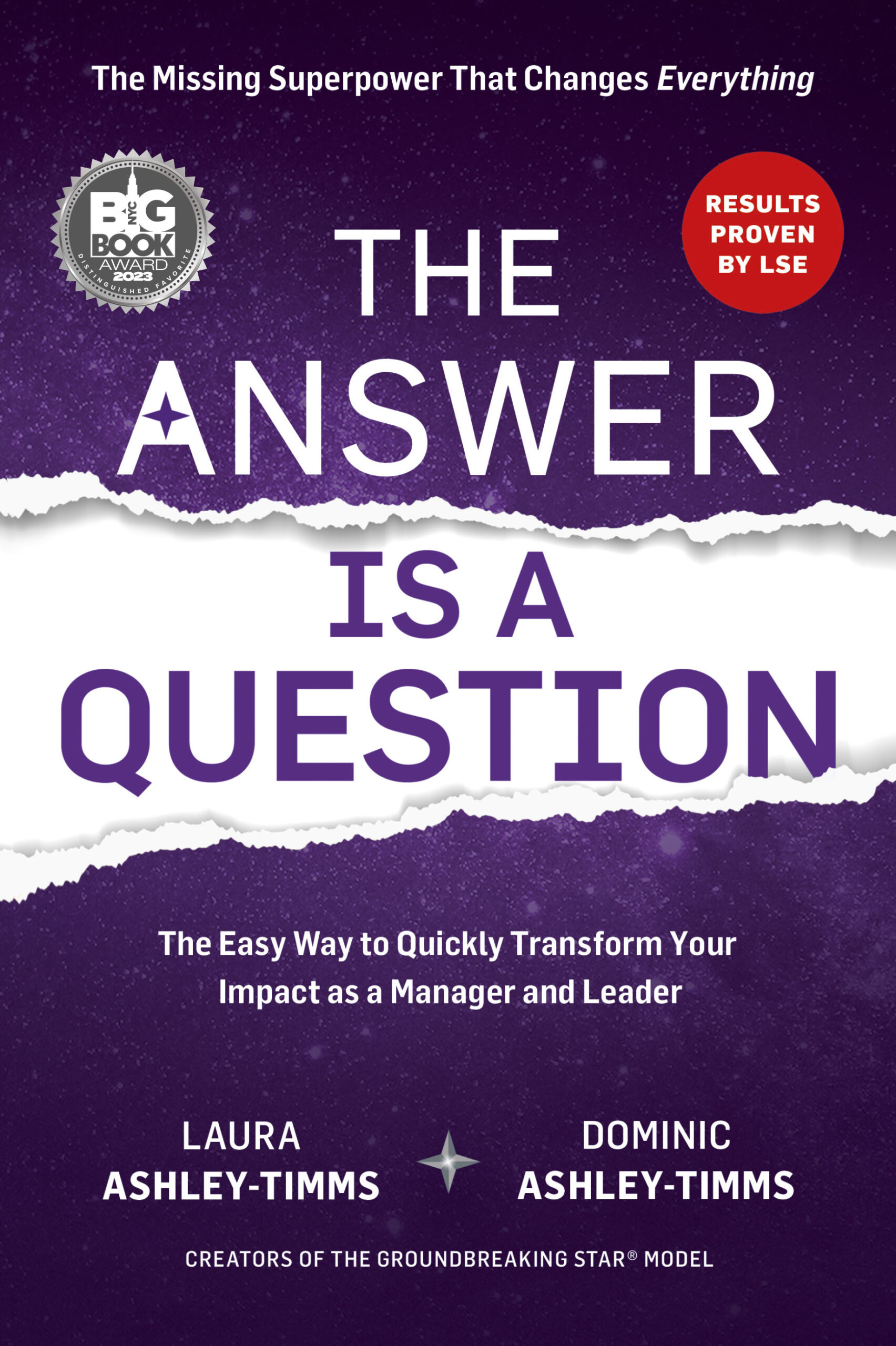
Central to this approach is Operational Coaching®, an advanced line management methodology that refines current managerial practices. Traditionally managers rise through the ranks due to problem-solving capabilities, often leading to micromanagement, stifling team creativity. Operational Coaching®, however, encourages managers to facilitate team problem-solving rather than continually directing it. This shift fosters an environment where employee skills are leveraged, reducing disengagement caused by overbearing oversight.
The STAR® management model underpins Operational Coaching® by prescribing a four-step process: STOP, THINK, ASK, and RESULT. This strategy encourages managers to first pause and assess the needs presented to them, rather than hastily solving issues themselves. Subsequently, managers consider what support the employee truly requires, fostering empowerment and confidence among team members. Significantly, this phase avoids the automatic response of providing solutions, instead nurturing an employee’s capability to identify solutions.
Questions play a transformative role in this coaching style. By asking purposeful questions that prioritise the employee’s thought process over the manager’s agenda, Operational Coaching® unlocks employees’ potential. This technique requires managers to value the employee’s input, enhancing their autonomy and engagement. Over time, this cultivates a sense of ownership among employees regarding their roles and responsibilities, creating a more motivated workforce.
Results-oriented conversations culminate in actionable outcomes, ensuring employees feel responsible for problem resolution. This accountability motivates them further, while follow-ups from managers reinforce support and acknowledge employees’ competencies. Providing genuine, detailed feedback on specific actions rather than personal accolades strengthens trust and reaffirms positive behaviour, essential for sustained workplace engagement.
Ultimately, embedding Operational Coaching® within an organisation represents a shift towards trust-based management. When managers across the hierarchy adopt this coaching mindset, it paves the way for a positive cultural shift, enhancing employee engagement and job satisfaction substantially.
Operational Coaching® could pave the way for healthier workplace environments by redefining management roles.
