
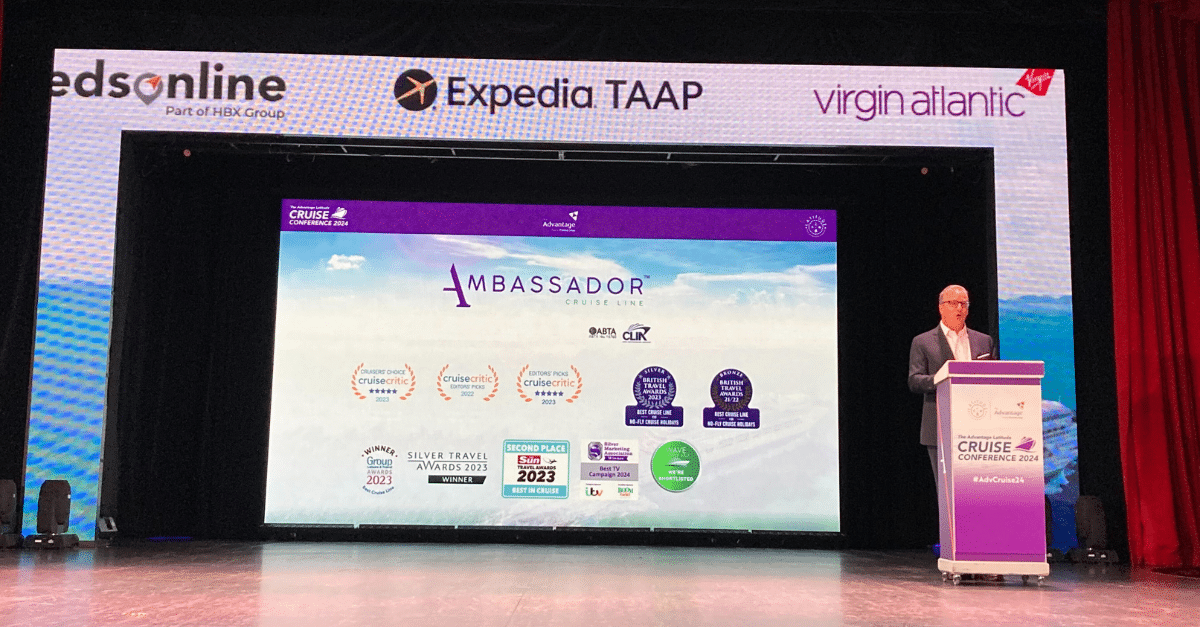

The cruise sector is urged to unite in dispelling misconceptions, enhancing its market reach and appeal.
- Christian Verhounig, CEO of Ambassador Cruise Line, advocates for joint marketing to showcase diversity in cruising.
- Industry leaders stress the necessity of innovative strategies to attract ‘new-to-cruise’ demographics.
- Ambassador’s successes, marked by strong repeat business, underscore long-term growth prospects for the sector.
- Sustainability and ethical practices are highlighted as crucial components for the future of the cruise industry.
The cruise industry, confronted by persistent misconceptions, is being implored by influential figures to spearhead a joint marketing initiative aimed at bolstering its image. Christian Verhounig, CEO of Ambassador Cruise Line, articulated this vision at the Advantage Latitude Conference, aboard the Ambience. He stressed that the diversity within the cruise offerings—from small ships to luxurious liners—needs to be communicated more effectively to potential customers. The goal is to enlighten not just existing patrons but also to reach out to new audiences unfamiliar with the breadth of options available.
Verhounig highlighted the vital role of trade engagement, asserting that collaboration between cruise lines and trade partners is essential. This partnership is crucial for conveying the message that cruising is accessible to everyone, offering unique value. He pointed out the long-term benefits of attracting first-time cruisers, noting the high likelihood of repeat business, albeit potentially with different lines or experiences. This assertion is supported by industry data indicating a high return rate among cruise passengers.
At the conference, industry leaders, including Princess Cruises’ Eithne Williamson and representatives from Ocean Cruises and AmaWaterways, discussed innovative methods to broaden the market. Emphasising wellness and fitness opportunities onboard as untapped potential, they pointed to the necessity of expanding partnerships and embracing new marketing channels to attract a wider demographic.
Verhounig also addressed ambitions for growth beyond a modest fleet. Demonstrating robust sales, especially with recent programme launches, Ambassador is poised for expansion. The line’s intention to broaden its fleet and possibly explore new departure points or destinations reflects a strategic plan to meet growing demand, driven by high occupancy rates and significant repeat bookings.
Furthermore, Verhounig underscored the importance of sustainability, encompassing environmental, social, and governance (ESG) aspects. He advanced the discourse on sustainability beyond just environmental concerns, which are often the focal point, to include ethical treatment of employees and communities within destinations. By fostering positive relationships with these locales, the cruise industry ensures its own longevity and relevance, a sentiment echoed by Verhounig’s commitment to responsible tourism practices.
Uniting under a comprehensive marketing approach and adhering to sustainable practices positions the cruise industry for a prosperous future.
