
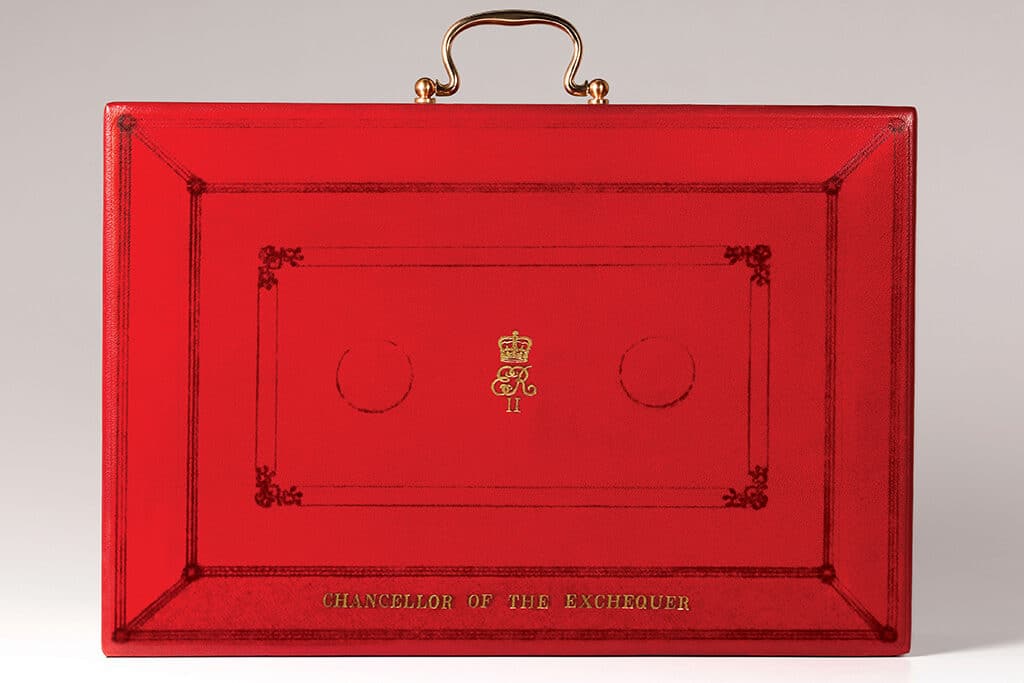

The recent Budget introduces an increase in employers’ National Insurance to 15%, starting next April, while implementing support measures for small businesses to mitigate its impact.
- The threshold for National Insurance contributions will be reduced, raising revenues for essential public services.
- The government assures that a rise in the employment allowance will exempt many small employers from additional National Insurance costs.
- Industry responses suggest a shift towards hiring self-employed workers due to rising employment costs.
- No inversion of prior tax threshold policies was instituted, maintaining announcements by previous governments.
The UK government, in a recent budget announcement, declared an increase in employers’ National Insurance (NI) contributions to 15% effective from April the upcoming year. However, recognising the potential repercussions on smaller enterprises, Chancellor Rachel Reeves announced compensatory measures designed to alleviate the economic strain on these businesses.
To augment government revenue, the threshold for NI contributions among employers has been reduced from £9,100 to £5,000, a move projected to yield £25 million towards public services. Reeves emphasised that though the decision is challenging, it is necessary under the prevailing economic circumstances. ‘We are asking businesses to contribute more,’ she remarked, acknowledging the broader impact this financial policy may have.
Furthermore, the increase in the employment allowance from £5,000 to £10,500 intends to shield approximately 865,000 small businesses from the new NI contributions altogether. Over one million employers are expected to either pay the same or less than previously, enabling smaller entities to onboard up to four full-time employees at the national living wage rate without incurring additional NI liabilities.
Industry experts, like Seb Maley of Qdos, project an uptick in the recruitment of self-employed workers, especially in sectors such as construction, where these adjustments might make traditional hiring less economical. Maley noted, ‘Any hike in the cost of hiring employees will likely lead to an increase in the use of the self-employed – particularly in the construction industry.’ The shift towards sole traders could compel businesses to reassess employment statuses to avert unforeseen tax obligations.
Chancellor Reeves confirmed no additional tax thresholds would be frozen beyond those set by previous administrations. From the fiscal year 2028/29, personal tax thresholds are scheduled to adjust in accordance with inflation. In an additional fiscal note, interest rates on unpaid HMRC debts will undergo an increase, as part of the broader economic plan.
The new fiscal measures underscore the government’s attempt to balance economic growth and public service funding while cushioning small businesses against the burden of increased NI contributions.
