
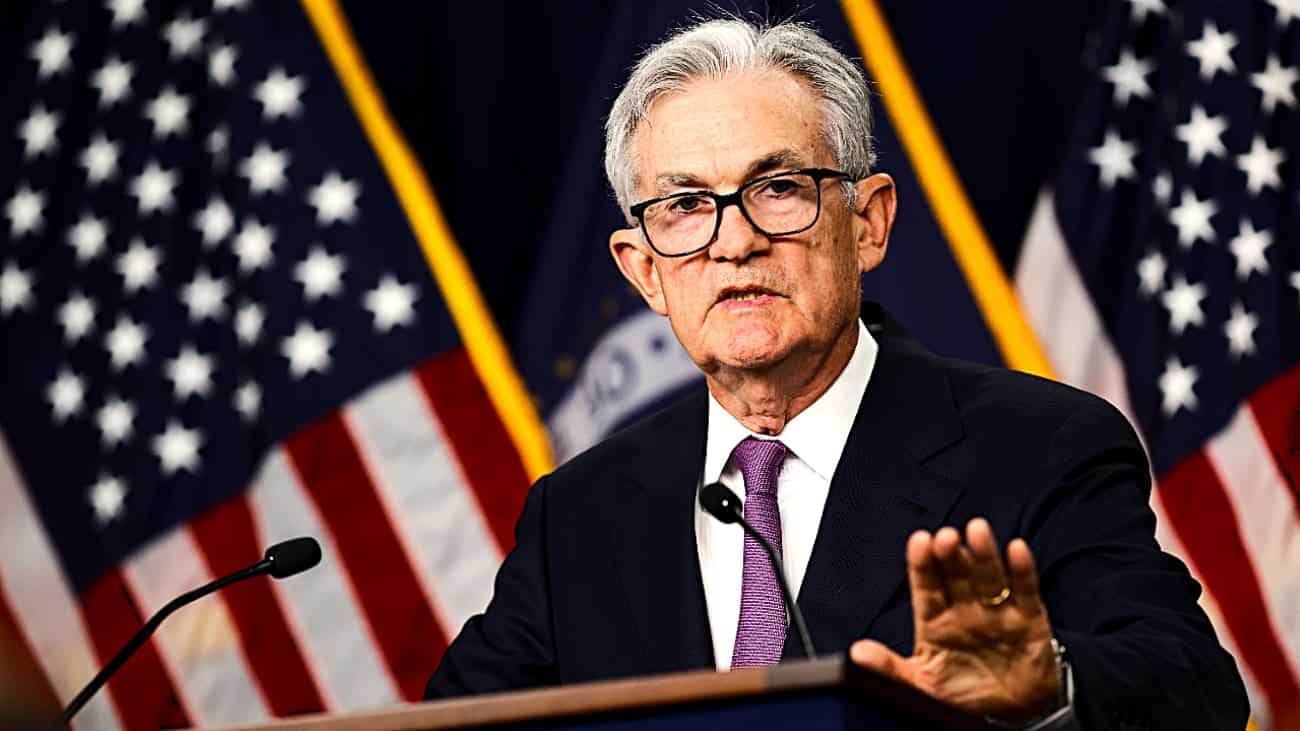

The cryptocurrency market is bracing for a pivotal moment this week as the U.S. Federal Open Market Committee (FOMC) prepares to meet. Speculation is rife among investors about a potential interest rate cut, with many positing that a reduction could be beneficial for Bitcoin and other digital currencies.
Market participants are eagerly awaiting the FOMC’s announcement, which could set the stage for future investments in cryptocurrency. The broader financial community is keen to understand how potential rate adjustments might influence the crypto space, thus fuelling widespread anticipation ahead of the meeting.
Understanding the Importance of the FOMC Meeting
The FOMC, a branch of the U.S. Federal Reserve responsible for managing the nation’s monetary policy, will convene this week. The decisions made in these meetings often reverberate through the financial markets, influencing investor behaviour worldwide. Investors are largely expecting a 0.25% reduction in interest rates. If this materialises, it could trigger increased investments in cryptocurrencies, as lower rates generally push investors towards riskier, higher-yield assets.
Interest rates, when lowered, typically drive investors to seek out alternative investments with more favourable returns, such as digital currencies. Many traders are optimistic about the FOMC supporting the economy through policy adjustments, especially given recent figures indicating stagnation in job creation within the U.S.
According to the CME FedWatch Tool, there is an overwhelming 99% probability of the anticipated rate cut. This backdrop creates a fertile ground for potential surges in cryptocurrency valuations, with many believing that Bitcoin and other coins could experience significant gains in light of reduced borrowing costs.
Triggering a Bitcoin Boom?
Many in the crypto sector are hopeful that a reduction in interest rates will catalyse a surge in Bitcoin prices. Analysts are speculating that this could ignite a broader bull run across the cryptocurrency landscape. Historically, Bitcoin has shown strong performance towards the end of the calendar year.
Given Bitcoin’s past performance, particularly during the final quarter, investors are enthusiastic about its potential upward trajectory. As traditional investment avenues yield lower returns, both Bitcoin and various altcoins are seen as attractive alternatives, potentially leading to a market-wide rally.
[twitter-embed-display twitter_url=’https://twitter.com/federalreserve/status/1852340932865110320′]
Impact of the U.S. Presidential Election on Cryptocurrencies
The forthcoming U.S. presidential election, slated for November 5, adds another layer of complexity to the market expectations.
There is speculation that the election results could significantly influence the momentum of Bitcoin and other cryptocurrencies. Political outcomes, whether a victory for Donald Trump or Kamala Harris, have varying implications, yet both are associated with potential increases in market activity.
Investors are keenly observing political developments as these outcomes often align closely with changes in financial markets, thereby affecting their crypto holdings.
Navigating Potential Market Volatility
Despite the current optimism, traders must remain vigilant, as high volatility lies ahead—particularly with the dual impact of the FOMC’s decision and the presidential election.
The intersection of these major events is likely to lead to significant fluctuations in crypto prices over the short term. It’s a period that demands caution and extensive research from those within the trading community.
Although these developments may lead to substantial market gains, they also present notable risks that cannot be ignored.
Investor Sentiments and Rate Adjustments
Traders are eagerly anticipating the possibility of a rate cut, a move expected to align with efforts to bolster economic growth. The current economic indicators, including job growth metrics, provide a strong impetus for such a decision by the FOMC.
Optimism in the trading community hinges on the belief that reduced borrowing costs will catalyse an influx of capital into the cryptocurrency sector. This expectation is predicated on similar past occurrences where rate reductions have led to increased crypto valuations.
Many believe that this week’s decision is a precursor to another potential cut in December, reinforcing the perception of sustained economic support.
Investors and traders alike are preparing for the market implications of these expected changes, which could bolster Bitcoin’s standing in the financial markets.
Preparing for Market Shifts
A 0.25% rate cut is considered by many as a foregone conclusion, shaping current trading strategies to capitalise on potential market shifts.
An overwhelming consensus suggests that any reduction in rates will be a boon for Bitcoin enthusiasts, aligning with traditional end-of-year performance trends witnessed in cryptocurrency markets.
This anticipated boom speaks volumes about the broader market sentiment, highlighting the readiness of traders and investors to adapt to evolving economic landscapes.
FOMC Decisions: A Catalyst for Change?
It is expected that the FOMC’s decisions in the coming meeting will serve as a catalyst, not just for Bitcoin, but for the entire cryptocurrency market. The implications of these monetary policy changes could be far-reaching, affecting both established and emerging digital currencies alike.
With interest rates potentially set to decline, asset managers and individual investors are revising their portfolios to include more digital assets.
The overarching view is that cryptocurrencies will benefit greatly from such market dynamics, reinforcing their role as key components in diverse financial portfolios.
Strategising Amidst Economic Uncertainty
As economic uncertainty looms, investors are reassessing their exposure to volatile assets. Digital currencies, often deemed risky, are attracting interest amidst the potential for significant returns.
The prospect of a favourable interest rate environment adds another dimension to investment strategies, prompting a reevaluation of asset allocations. Amidst turbulent economic landscapes, such strategic considerations become crucial.
For many, this environment presents an opportunity to leverage digital assets, balancing risk with the promise of potential returns in a low-interest setting.
Conclusion
The cryptocurrency market stands on the brink of potential significant changes, driven by the anticipated decisions of the U.S. Fed and the outcomes of the presidential election. Investors are urged to remain vigilant and informed as they navigate this evolving terrain.
As the crypto market prepares for potential shifts, proactive and informed decisions will be crucial for investors. The upcoming FOMC meeting and election results will likely shape market trends significantly.
