
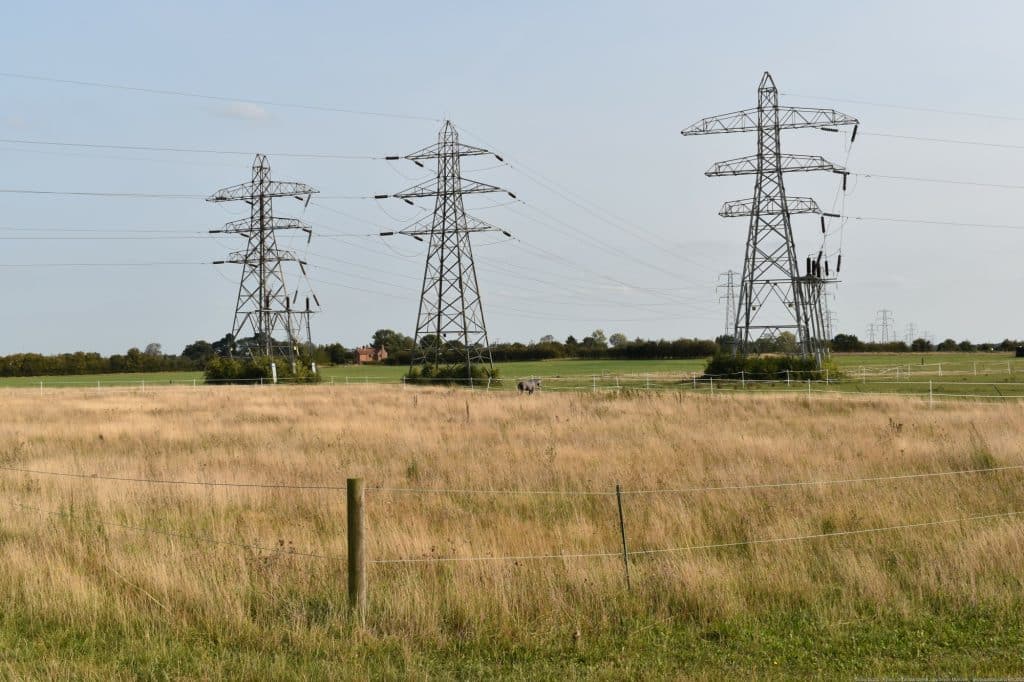

Labour MPs are advocating for the continued use of pylons in electricity transmission across the UK.
- The MPs addressed their concerns to the National Energy System Operator (Neso).
- Conflicting opinions exist among political parties regarding the undergrounding of HVDC lines.
- The Great Grid Upgrade is a national effort to enhance power distribution capacity.
- Critiques and support for overhead lines highlight different perspectives on achieving net zero.
A coalition of 61 Labour MPs has appealed to the National Energy System Operator (Neso) to continue using pylons in the UK’s Centralised Strategic Network Plan. This call comes amid pressures from Conservative and Green MPs advocating for underground high voltage direct current (HVDC) transmission lines due to local opposition to overhead lines.
The need to upgrade the UK’s electricity transmission network is critical for mitigating capacity constraints and advancing zero-carbon energy, such as offshore wind from Scotland. The National Grid’s initiative, termed the Great Grid Upgrade, is being mirrored by efforts like Action 2030 in Scotland, aiming to address these constraints.
During a debate in the House of Lords, the environmental and aesthetic concerns of overhead lines were discussed. Lord Swire criticised the impact of pylons on the countryside, advocating for better planning in integrating offshore energy. This sentiment reflects larger debates about the environmental trade-offs involved in energy infrastructure.
In a panel discussion, National Grid emphasised the cost-effectiveness and lower environmental impact of overhead lines compared to alternatives. Suffolk County Council, however, has expressed opposition to such projects, citing the need for exploring offshore solutions despite higher costs associated with submarine cables.
An open letter from Labour MPs to Neso CEO Fintan Slye highlights the economic considerations, arguing that undergrounding cables is significantly more expensive than erecting pylons, a view backed by cost analyses from the Institution of Engineering and Technology.
National Grid maintains that comprehensive assessments are conducted for each project, taking into account community impact and value for money, in alignment with government policies and net zero objectives. The response from network operators, such as the Energy Networks Association, underscores the importance of grid upgrades in supporting the UK’s clean energy goals.
Opposition from groups like Pylons East Anglia, who advocate for underground solutions, illustrates the ongoing debate. These groups argue that the true costs of pylons are underestimated, emphasising alternatives like offshore integration and existing grid enhancements.
Neso acknowledges the formidable task of achieving a clean power grid by 2030, which necessitates immediate industry action. The strategic planning of new energy infrastructure beyond 2030 remains a priority for the UK, Scottish, and Welsh governments.
Labour MPs and various stakeholders continue to navigate the complex landscape of energy infrastructure, balancing cost, environmental impact, and energy security.
