
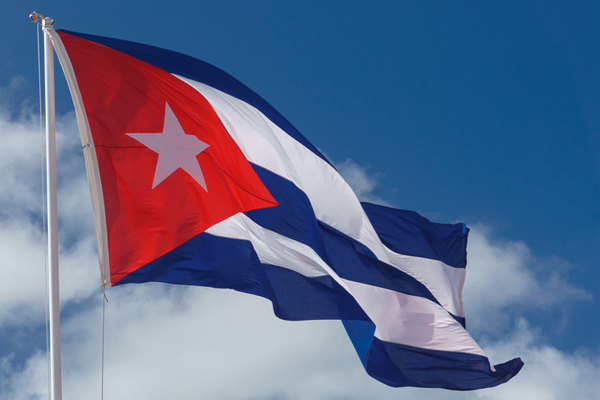

Cuba is on high alert as Tropical Storm Rafael approaches, prompting authorities to close several airports in anticipation of a hurricane. The nation braces for what could be a Category 1 or 2 storm, with the government and citizens working together to prepare.
Warnings of severe weather conditions have led to a travel alert being issued by the Foreign Office. The focus is on safety and preparedness, with officials urging residents and tourists to conserve resources and stay informed through local media channels.
Cuba Prepares for Hurricane
Anticipating a severe weather event, Cuba has taken decisive steps to mitigate potential damage. The government announced the closure of major airports, including Havana and Varadero. This preventive measure comes as Tropical Storm Rafael approaches the island, foreseen to escalate into a Category 1 or Category 2 hurricane. Local authorities have been proactive, understanding the storm’s potential impact on infrastructure and public safety.
Warnings of heavy rain, flash flooding, and landslides have been issued. These natural events could exacerbate the existing power outages across the island. Officials are urging residents and visitors to stay informed through local media and take necessary precautions. The emphasis is on conserving resources such as water and food, given the unpredictable nature of the storm’s path and strength.
Impact on Travel and Tourism
The imminent hurricane has had a direct impact on travel plans. Airports in key regions have been closed from midnight, November 5, until noon, November 7. This decision is critical in ensuring the safety of passengers and airport personnel. The closures include pivotal transport hubs like Gerona and Cayo Largo del Sur.
The disruption to air travel is a significant concern for tourists and operators. Airlines have communicated the situation to passengers, advising them to reschedule flights. For many, this has meant a rapid adjustment to plans, illustrating the broader implications of severe weather on global travel networks.
Government and Foreign Office Warnings
The British Foreign Office has issued a travel alert for those in or visiting Cuba. The advisory highlights the risk of severe conditions, including potential power failures. Such warnings are crucial for travellers, particularly given the recent history of hurricanes affecting the region.
Travel advisories are designed to keep tourists and expatriates informed. The primary concern remains the well-being of individuals in affected areas. Officials stress the importance of staying updated and taking necessary measures to ensure personal safety.
Local government has emphasized the unpredictability of hurricanes, urging people to maintain communication lines for updates on the storm’s progress. This level of vigilance is necessary, as the situation could evolve rapidly, warranting further action.
Economic and Infrastructure Considerations
While the immediate focus is on safety, the economic implications of airport closures are also significant. The tourism-dependent economy of Cuba heavily relies on incoming travellers. Interruptions like this could lead to a substantial financial impact, affecting local businesses and workers.
The importance of maintaining infrastructure resilience during such events cannot be overstated. Authorities are evaluating the structural integrity of essential services to mitigate long-term damage. The coordinated efforts aim to protect both human life and economic stability.
Power outages continue to affect everyday life in Cuba, complicating recovery efforts from previous storms. The government’s strategy includes reinforcing essential services to ensure a swift return to normalcy post-hurricane.
Public Response and Preparedness
The Cuban public has shown remarkable resilience in the face of natural disasters. Community efforts to secure homes and public spaces are underway, reflecting a strong collective spirit and preparedness.
Residents have been encouraged to actively participate in safeguarding their belongings and ensuring community-wide readiness. This proactive approach is vital for reducing the storm’s potential impact.
Public advisories stress the importance of staying indoors and prioritising personal safety. The emphasis is on keeping lines of communication open with authorities for real-time information and instructions.
Historical Context of Hurricanes in Cuba
Cuba has a long history of dealing with hurricanes, which have shaped the nation’s preparedness strategies. Over the years, experience has taught the population to be vigilant and well-prepared for natural calamities.
Previous hurricanes have served as benchmarks, providing critical learning experiences for both the government and citizens. These events underscore the importance of preparedness and effective response strategies. Recovery from past hurricanes has informed current practices, allowing for a structured and informed approach to disaster management.
The legacy of past storms is evident in the community’s resilience and the robust systems in place for hurricane preparedness. The ongoing efforts to improve infrastructure and communication channels highlight the long-term commitment to safety and recovery.
Current Meteorological Insights
Meteorologists are closely monitoring the development of Tropical Storm Rafael. Predictions indicate that it may intensify as it nears Cuba, with potential upgrades to its classification.
Weather forecasts play a pivotal role in informing government and public actions. The timely dissemination of data helps in formulating effective response plans and ensuring that communities are adequately prepared for the impending storm.
Understanding the storm’s potential trajectory is essential for effective resource allocation and emergency management. The collaboration between meteorologists and governmental agencies underscores the importance of science-driven decision-making in times of crisis.
Advice for Travellers
For those currently in Cuba or planning to travel, staying informed is crucial. Monitoring updates from airlines and local authorities will help in making informed decisions.
Travellers are advised to maintain flexibility in their plans. Preparing for unexpected changes can ease the stress associated with travel disruptions.
Emphasis is placed on safety, with travellers encouraged to prioritise personal well-being over adherence to schedules. This approach ensures that individuals can effectively navigate the challenges posed by the hurricane threat.
The Role of Technology in Crisis Management
Technology plays a key role in managing the crisis posed by natural disasters. From weather forecasting to communication, digital tools are essential in modern disaster response strategies.
The use of technology in tracking the storm’s path and disseminating timely information has enhanced Cuba’s preparedness. It allows for real-time updates to be shared with the public, ensuring effective communication during critical moments.
Digital platforms and social media have become instrumental in relaying official warnings and advice to a global audience. This technological integration is crucial for both local and international stakeholders involved in response efforts.
Cuba remains resilient in the face of natural challenges. The proactive measures taken by the government and public are critical in ensuring safety and minimising disruption.
