
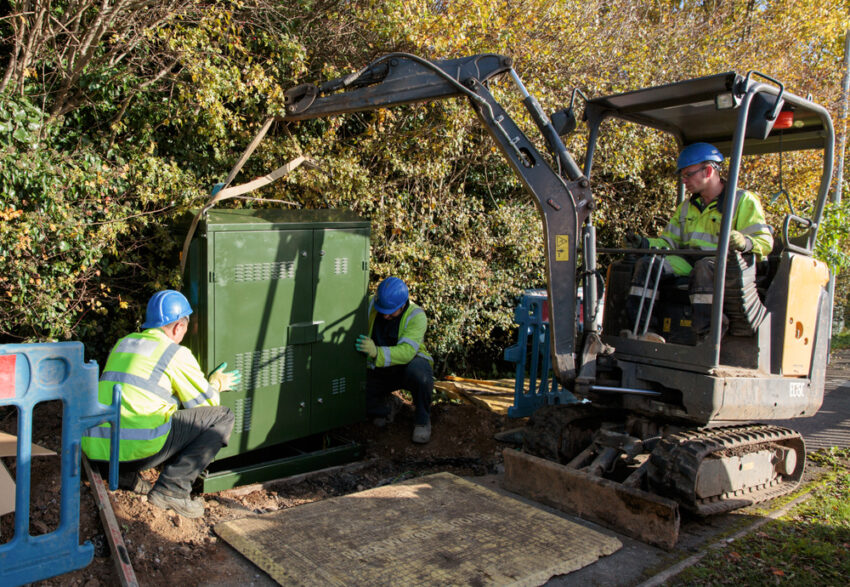

The UK government has announced a major investment of £500 million to improve broadband and mobile coverage in rural areas, marking a significant commitment to national digital infrastructure.
- This funding supports ongoing initiatives such as Project Gigabit and the Shared Rural Network, aimed at enhancing gigabit broadband and 4G mobile coverage.
- The investment aligns with the government’s ambition to achieve universal gigabit and 5G availability by 2030.
- Concerns remain about the allocation of previous funds, particularly the unallocated £1.5 billion from Project Gigabit.
- Experts highlight the potential economic benefits, especially for rural businesses relying on robust digital access.
In a noteworthy move, the UK government has committed £500 million to bolster broadband and mobile infrastructure in rural regions. This initiative is part of a broader strategy to bridge the digital divide and provide equitable access to high-speed internet across the country. By enhancing connectivity, the government aims to facilitate seamless remote working and spur economic growth in less accessible areas.
Chancellor Rachel Reeves emphasised that the new funding would complement existing initiatives such as the £5 billion Project Gigabit, which targets 99% gigabit broadband coverage by 2030, and the £1 billion Shared Rural Network (SRN) aiming for 95% 4G mobile coverage by 2025. This alignment demonstrates the government’s commitment to achieving comprehensive digital coverage and contributing to a resilient, distributed economy.
However, the allocation of funds has raised some questions. Despite the additional investment, there remains an unallocated £1.5 billion from the original Project Gigabit budget, prompting inquiries into how this money will be utilised. Such fiscal uncertainties may impact the pace and efficiency of rolling out the intended infrastructure enhancements.
Sachin Agrawal, UK Managing Director at Zoho, lauded the government’s financial pledge, underscoring the critical role of connectivity in empowering rural businesses. He noted that improved broadband and mobile networks could potentially decentralise business operations, moving them away from congested urban centres, thus reducing costs and facilitating flexible working models. Agrawal stated, “Reliable internet infrastructure is essential for seamless remote work, fostering economic resilience and growth.”
Ultimately, this investment reflects a strategic vision to bridge the digital gap between urban and rural Britain. By prioritising robust digital infrastructure, the government seeks to ensure that rural communities are not left behind in the digital economy of the future. This approach is seen as vital for maintaining the competitiveness of rural businesses and enhancing quality of life for residents.
The UK government’s £500 million investment signifies a pivotal step towards empowering rural areas through improved digital infrastructure, promising economic and social advancements.
