
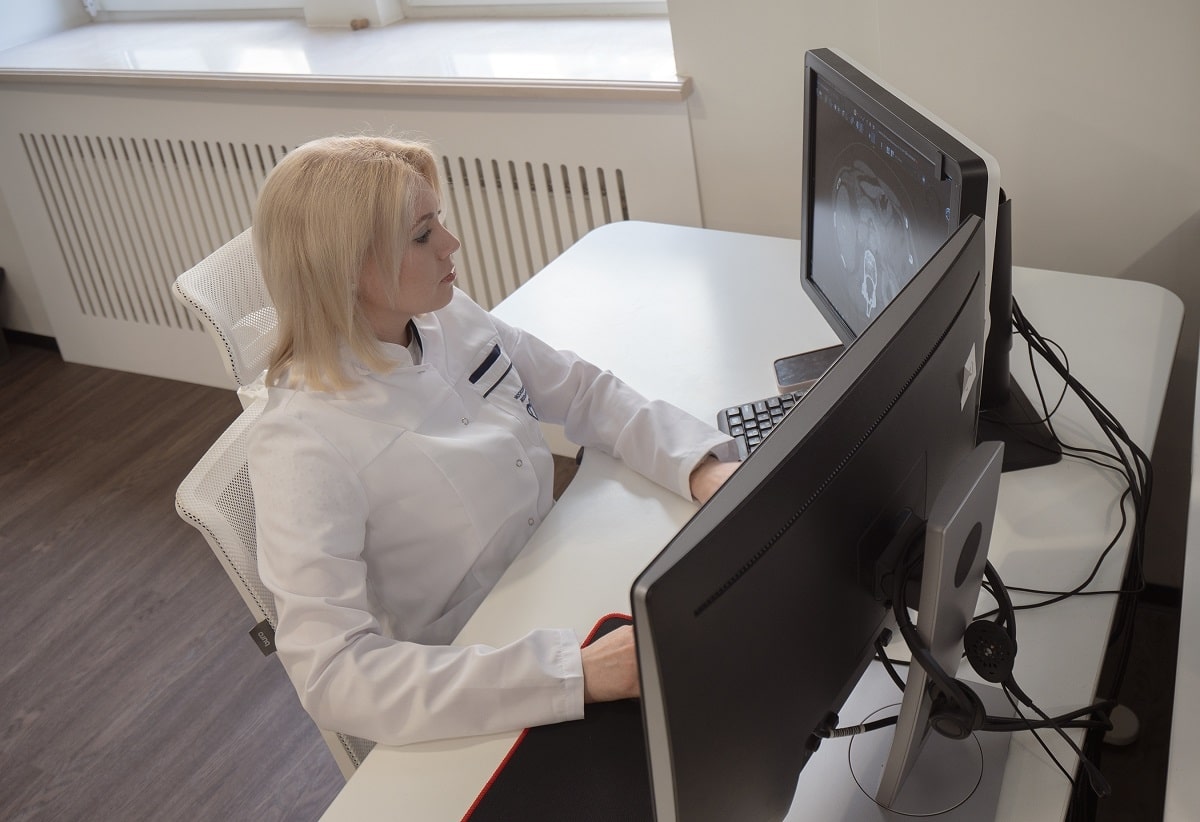

An innovative AI service for the detection of gallstone disease on CT scans has launched in Moscow, marking a first for the city. This cutting-edge neural network automates gallstone identification within the gallbladder, offering precise measurements and speeding up diagnostic times. This advancement is set to improve patient outcomes by supporting faster and more effective treatment. Anastasia Rakova, Moscow’s Deputy Mayor for Social Development, commented on the importance of this technology.
Anastasia Rakova, Deputy Mayor of Moscow for Social Development, stated, “The capital is actively integrating artificial intelligence into its healthcare system…”
Before being applied to actual patient cases, this AI service was thoroughly tested to ensure it accurately identifies gallstones without misinterpreting other anomalies. Introducing computer vision into medical diagnostics aims to streamline processes and increase precision.
Yuri Vasiliev, Chief Consultant for Radiology and CEO of the Centre for Diagnostics and Telemedicine, highlighted the platform’s impact, saying, “In developing artificial intelligence capabilities within our healthcare sector…”
Today, Moscow’s radiologists have access to more than 50 AI services that aid in interpreting medical images, nine of which are currently active in healthcare settings. This milestone aligns with Moscow’s strategic healthcare goals, aimed at continuous improvement through 2030.
Since 2020, Moscow has leveraged AI-powered tools as part of a larger initiative to incorporate computer vision in healthcare. Neural networks integrated within UMIAS highlight potential issues with colour-coded markings and relevant measurements, supporting diagnostic report preparation.
The Centre for Diagnostics and Telemedicine, under the Moscow Healthcare Department, plays a key role in advancing AI in medicine, radiology, healthcare management, and professional education.
