
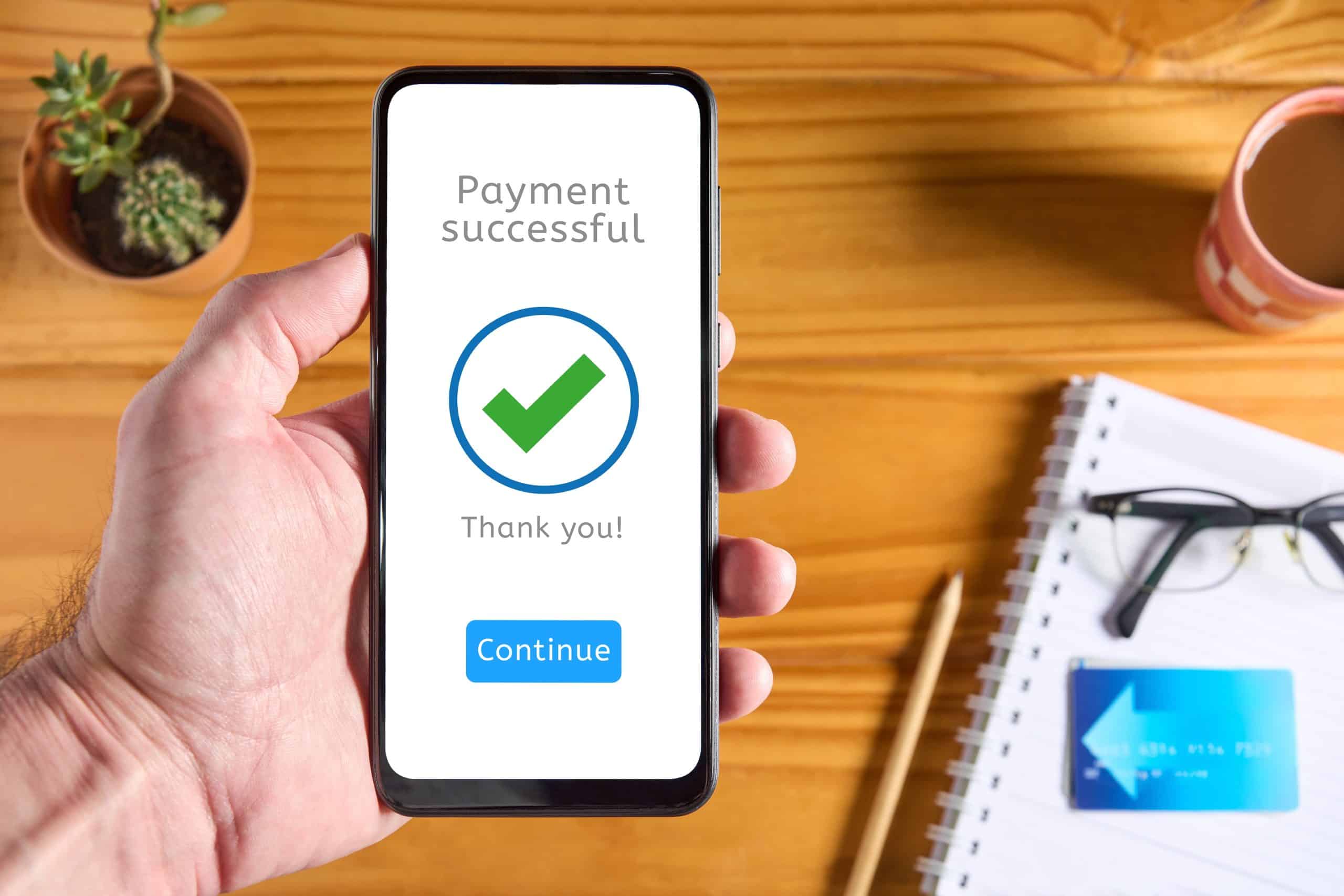

In 2024, the digital finance landscape continues to undergo rapid transformation, driven largely by a surge in digital wallets and alternative payment solutions. These modern payment methods, from Google Pay and Apple Pay to innovative fintech solutions like Revolut and Trustly, have gained considerable traction, especially among younger UK consumers. According to Deloitte’s 2023 Global Digital Payment Survey, 67% of UK consumers now prefer digital wallets for their primary transactions, valuing the security, flexibility, and convenience these options provide over traditional banking methods
The Appeal of Security and Convenience in Digital Wallets
One of the primary factors driving the widespread adoption of digital wallets is the enhanced security they offer over conventional payment methods. A recent report by McKinsey & Company revealed that 72% of surveyed users identified security features—such as biometric authentication and encryption—as crucial in their decision to adopt digital wallets. In the digital age, where fraud concerns are rising, users are increasingly seeking payment methods that ensure their data is protected at all stages of the transaction process
The Paypers’ 2024 Global Payments Report also supports these findings, highlighting that biometric security, tokenization, and end-to-end encryption are all key elements bolstering consumer confidence in digital wallets. Tokenization replaces sensitive card details with a unique identifier, which significantly reduces the risk of fraud if a transaction is intercepted. Meanwhile, biometric verification, like fingerprint or facial recognition, adds another layer of security that traditional payment cards lack, providing users with a sense of control over their financial data
Digital wallets also offer unparalleled convenience, enabling fast payments in just a few taps. For instance, Apple Pay and Google Pay allow users to make contactless payments at physical stores and authorize online transactions without repeatedly entering card details. This level of efficiency is particularly appealing for e-commerce, where rapid, secure checkouts can help reduce cart abandonment—a common issue in online retail.
Integrating Fintech with Traditional Banking for Seamless Payments
Beyond security and convenience, another factor contributing to the rise of digital wallets is the increasing collaboration between fintech companies and traditional banks. Platforms like Revolut and Trustly have integrated with major financial institutions, giving customers access to a seamless experience that merges the flexibility of fintech with the stability and security of established banks. This partnership approach is advantageous for both users and providers, as it helps expand the reach of digital payment solutions and offers users a single point of access to a variety of financial services.
A report by PwC’s Fintech Insights 2024 points out that these integrations are helping users manage cross-border transactions more effectively. By leveraging fintech innovations, banks can now offer customers real-time payments and reduced transaction fees across international borders—benefits that were previously limited to domestic transfers. This is especially significant in a globalized world where consumers and businesses alike require efficient, cost-effective payment solutions across different currencies and regions
Such integrations have far-reaching benefits, providing consumers with flexible and reliable payment solutions for diverse use cases. For instance, small businesses and freelancers engaged in cross-border work can benefit from reduced processing fees, quicker access to funds, and currency conversion services, all of which make international transactions more accessible.
The Surge in Mobile Payment Systems and Pay-by-Phone Options
In addition to traditional digital wallets, mobile-based payment solutions like pay-by-phone are witnessing impressive growth. The 2024 UK Mobile Payment Adoption Study indicates that 60% of consumers aged 18–35 have used mobile payment solutions in the past month alone. Pay-by-phone systems enable users to authorize payments simply by providing their mobile phone number, making transactions even more seamless and reducing the need for physical cards. The study notes that these methods appeal to individuals seeking a frictionless payment experience, particularly in situations where convenience is paramount
Pay-by-phone solutions have seen significant adoption in industries where quick payments are essential. In the entertainment and gaming sectors, for example, pay-by-phone and other mobile-friendly payment options have gained popularity due to the ease of use they provide. Gambling operators, for instance, have embraced pay-by-phone casinos as a way to simplify deposits, allowing users to fund their accounts instantly without needing to input bank details each time. This convenience has made pay-by-phone systems particularly appealing in online leisure services, where users prioritize quick access and security.
Expanding Use Cases Across Industries
While digital wallets initially gained popularity in retail and online shopping, their use has expanded across a range of industries. In the transportation sector, for example, digital wallets are widely accepted for public transit payments in major UK cities, allowing commuters to travel without cash or physical cards. Mastercard’s 2024 Payment Trends Report highlights that public transport adoption of digital wallets is on the rise, and as more cities implement contactless systems, digital wallets are expected to become the default for transit payments
The hospitality and travel industries have also taken note, with digital wallets now commonly accepted by airlines, hotels, and even restaurants, allowing travellers to make bookings and payments effortlessly. Meanwhile, sectors like healthcare are beginning to adopt digital payments, as telehealth services increasingly require secure and streamlined ways to process transactions remotely.
Looking Ahead: The Future of Digital Wallets and Alternative Payment Solutions
As we move further into 2024, the future of digital wallets and alternative payments appears promising. With increasing collaborations between fintechs and traditional financial institutions, ongoing advancements in security technology, and a shift towards mobile-friendly payment options, digital payments are set to become even more integral to daily financial habits. Moreover, as industries from retail to healthcare continue embracing these technologies, consumers can expect even more diverse applications and services.
However, the rapid rise of digital wallets does pose regulatory challenges. With more financial data moving online, regulatory bodies in the UK and Europe are focusing on developing frameworks to ensure consumer protection and financial stability. The Financial Conduct Authority (FCA) has announced new guidelines for digital payment providers, emphasizing data security, transparency, and fraud prevention measures to safeguard consumers as they transition from traditional banking to digital-first payment solutions.
Ultimately, digital wallets and alternative payment solutions represent a dynamic shift in the way people and businesses approach financial transactions. With strong security features, wide-ranging industry applications, and growing acceptance among consumers, they are poised to become a cornerstone of the digital economy.
