
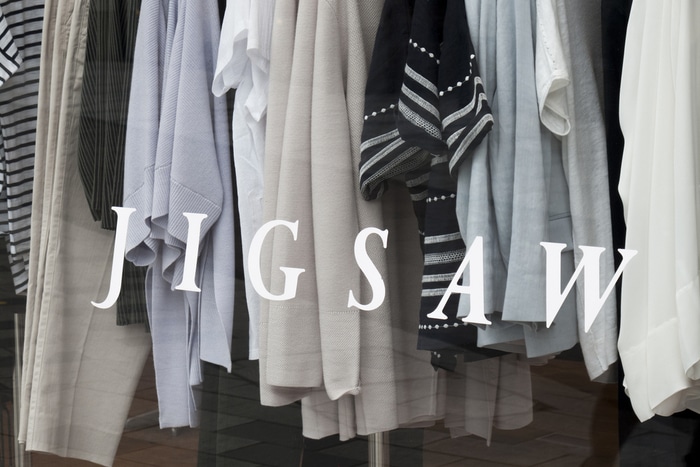

Jigsaw has faced financial adversity this past year. The fashion retailer reported a pre-tax loss of £3.6m, contrasting a previous profit of £816,000. The company’s sales edged upward slightly from £56m to £57m. This outcome is amidst a backdrop of increased investments that did not yield the anticipated returns, reflecting tough market conditions.
The investments focused largely on brand marketing and expanding personnel. Despite the setbacks, Jigsaw is continuing its efforts to boost its brand visibility. It has engaged in various collaborations and new ventures to maintain a stronghold in the fashion market. Let’s explore the factors contributing to this financial turbulence.
Financial Performance Overview
Jigsaw’s fiscal year ended with a stark contrast in its financials. A year ago, it enjoyed a profit of £816,000, but now it reports a pre-tax loss of £3.6 million. This turnaround illustrates challenges in converting investments into profit. Despite this, sales have seen a slight increase, reaching £57 million from just over £56 million. Such figures suggest that while sales are stable, operational costs have soared.
Marketing Investments and Returns
Jigsaw has increased its expenditure primarily in marketing and human resources. These areas were envisioned as catalysts for growth. However, the reality turned out differently. The return on these investments fell short of expectations, a fact acknowledged in their Companies House filing. This filing provides a glimpse into the company’s intended strategic direction.
The lack of expected returns raises questions on the effectiveness of their marketing strategies. Did they misjudge the market’s receptiveness to their branding efforts, or was it a matter of execution?
Leadership Transition
The period under review also witnessed a leadership change. Former Oasis and Warehouse CEO, Hash Ladha, took the helm, succeeding Beth Butterwick.
Such leadership transitions can bring about strategic shifts. The timing of Ladha’s appointment correlates with the investment phase, potentially steering Jigsaw’s future direction. It is yet to be seen how these changes will manifest in tangible outcomes.
Strategic Collaborations and Expansions
In response to the challenging financial conditions, Jigsaw has pursued strategic collaborations.
Teaming up with fashion entities like Roksanda and Collagerie, Jigsaw aims to expand its reach. These collaborations may play a significant role in bolstering brand prestige and market penetration. Furthermore, the expansion includes opening new locations in Edinburgh and Battersea, alongside store refurbishments.
By expanding its physical footprint, Jigsaw seeks to enhance its market presence. The move to new locations suggests a plan to capture more customer engagement, leveraging both updated and new venues for better brand positioning.
Growing Presence in Ireland
Jigsaw’s expansion is not confined to the UK. The brand has made inroads into Ireland through partnerships with Brown Thomas.
This move marks Jigsaw’s entry into the Irish market, allowing them access to new consumer bases. The availability of Jigsaw products in Limerick and Blanchardstown represents a strategic expansion meant to drive up sales and brand awareness.
Such regional expansions are indicative of Jigsaw’s commitment to diversifying its market base.
Retail Estate Performance
Despite financial hurdles, Jigsaw’s retail operations remain resilient. The company indicates that its physical stores are profitable, continuing to perform well. It has opened new branches while revitalising existing locations.
Maintaining a profitable store estate can cushion financial losses from other areas.
These efforts underline Jigsaw’s resilience amidst a tough retail landscape dominated by evolving consumer preferences and the growing influence of e-commerce.
Market Challenges and Jigsaw’s Response
Jigsaw has had to navigate a landscape challenged by economic pressures and changing consumer behaviour. The company’s increased spending on branding and staffing did not yield anticipated benefits.
Jigsaw faces competition from both established brands and fast-fashion newcomers. Its focus on quality and unique offerings serves as a buffer against market volatility.
Leadership Goals for Future Stability
CEO Hash Ladha’s leadership is poised to play a critical role in stabilising financial performance.
Future strategies may encompass refining marketing approaches and improving operational efficiency. Ladha’s past experience may bring fresh perspectives. The ultimate goal is to align investments with sustainable financial outcomes.
Looking Ahead: Prospects and Strategies
Jigsaw’s road to recovery involves a combination of strategic marketing, leadership stability, and geographical expansion.
Whether Jigsaw can translate these strategies into financial success remains to be seen. The fabric of its future is yet to be woven. Maintaining momentum from its collaborations and store performance will be crucial.
The outlook hinges on effectively balancing investment costs with returns, especially in a competitive retail environment.
Summary of Key Challenges and Steps Forward
Jigsaw’s recent financial results depict a company at a crossroads. Tremendous investments were met with unforeseen challenges, testing the resilience of its strategies. The brand faces numerous headwinds, from competitive pressures to consumer dynamics.
Partnerships and a vibrant store presence are central to its recovery roadmap.
Jigsaw has navigated a turbulent fiscal year, adapting strategies amidst challenges. Future success hinges on transforming investments into tangible financial growth.
