

Retailers are bracing for a challenging period ahead as costs are expected to rise due to the new budget measures. Core changes include increases in National Insurance and minimum wage, affecting overheads significantly. The introduction of these increments marks a substantial shift in the financial landscape for retail companies.
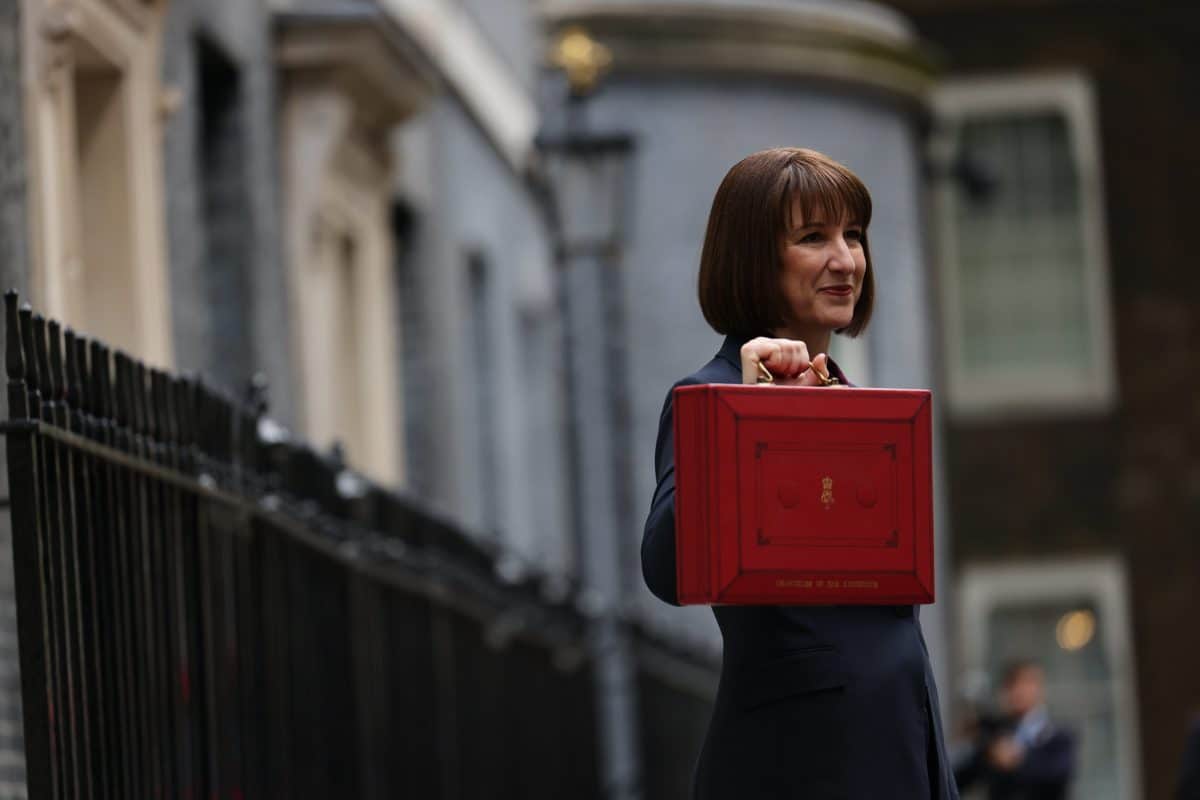
As Chancellor Rachel Reeves unveils these changes, businesses anticipate paying an extra £2.3bn in National Insurance. Notably, M&S, a major industry player, has expressed concerns over the reforms, highlighting the increased burden on both larger employers and their partners.
Surge in Employer Contributions
Retailers are set to face a significant rise in costs, specifically due to increased employer contributions. From April, businesses will contribute an additional £2.3bn towards National Insurance. This measure, part of the first Labour government budget in 14 years, has sparked criticism.
Stuart Machin from M&S argues that the policy acts as a tax disconnected from company profits, disproportionately affecting large employers and their networks. Such changes, he suggests, complicate efforts to provide employment opportunities. This sentiment is echoed across the sector as companies anticipate financial strain.
Minimum Wage Adjustments
The anticipated changes include a 6.7% rise in the National Minimum Wage and a 6% bump in the National Living Wage by April. Retailers must adapt to these wage hikes, adding £367m to the sector’s wage bill.
This, according to the British Retail Consortium (BRC), imposes further challenges on a low-margin industry, risking higher consumer prices. Clive Black from Shore Capital suggests these wage rises could enhance household spending, provided inflation remains low and manageable.
Business Rates Reform
Rachel Reeves has pledged to reform retail business rates. Significant changes in rates are anticipated, aimed at lowering rates for high street retail, hospitality, and leisure properties by 2026.
This initiative addresses the long-standing industry demand for fairer taxation. However, the proposed funding mechanism, increasing multipliers for valuable properties like e-commerce distribution centres, invites scrutiny. The BRC warns that this might penalise large stores attracting essential footfall.
Helen Dickinson from the BRC stresses the need for a solution that does not merely redistribute burden but offers industry-wide relief. Current relief schemes offer 40% rates relief, reduced from previous years, highlighting ongoing fiscal challenges.
Combatting Retail Crime
The budget addresses rising retail crime, prioritising crackdown on shoplifting. Reeves proposes removing low-value theft immunity, alongside extra funding to combat organised retail crime.
These measures have been widely welcomed, signalling a government commitment to tackling retail crime. By providing training for law enforcement, the aim is to enhance response capability.
Retailers, working closely with police, view this as a step forward. While shoplifting has been an unresolved issue, these policies are seen as paving the way for a safer retail environment.
Impacts on Tobacco and Sugary Drinks
Taxes on vaping and tobacco are set to rise, with duties on hand-rolled tobacco increasing by 10%. Such moves reflect the government’s health agenda, particularly through the Soft Drinks Industry Levy.
These changes are part of broader fiscal policies aimed at promoting public health, aligning with previous government measures to reduce sugar content in drinks. Sonia Pombo of Action on Sugar supports these initiatives but urges additional steps. She advocates for further taxing food manufacturers on salt and sugar content.
Industry Reactions and Future Concerns
The retail industry reacts with apprehension to the budget. While some measures are welcomed, concerns over increased costs prevail.
Many retailers worry about the short-term impacts, especially as margins are squeezed further. There is a need for strategic adjustments to navigate the changing landscape.
The budget’s long-term implications remain a topic of debate, with industry leaders urging clear and supportive policies. While reforming outdated systems is crucial, the path to sustainable retail growth requires careful planning and execution.
Social Media Responses
The budget’s announcements have sparked widespread reactions on social media platforms. Many users express dissatisfaction, fearing cost hikes and economic imbalance.
Public opinion on these measures leaves a clear message: a balanced approach is essential. Consumers emphasise an interest in policies that support both business health and consumer affordability.
Engagement on platforms like Twitter highlights a demand for transparency and inclusivity in fiscal decision-making. The dialogue between policymakers and the public continues to shape retail’s future.
Government’s Strategic Intentions
Despite the immediate challenges, the government’s budget reflects strategic objectives aimed at long-term stability. Reforms in taxation and fiscal policy underscore a commitment to modernising the economy.
There is an articulated desire to balance business viability with social equity. However, realising these goals requires collaboration between government and industry stakeholders.
By focusing on sustainable growth, the government aims to foster resilience in the retail sector. This involves navigating complex issues while ensuring fair opportunities and competitive markets.
Conclusion on the Retail Budget
The budget presents a mixed outlook for retail. While reforms generate promise, the associated cost challenges cannot be overlooked.
Retailers are urged to adapt strategically, leveraging government policies while advocating for needed adjustments. As changes unfold, industry resilience will be critical to maintaining economic vitality.
Navigating the complexities of fiscal changes, retailers face both opportunities and challenges. Adapting strategically will be essential in ensuring resilience amid evolving financial landscapes.
