
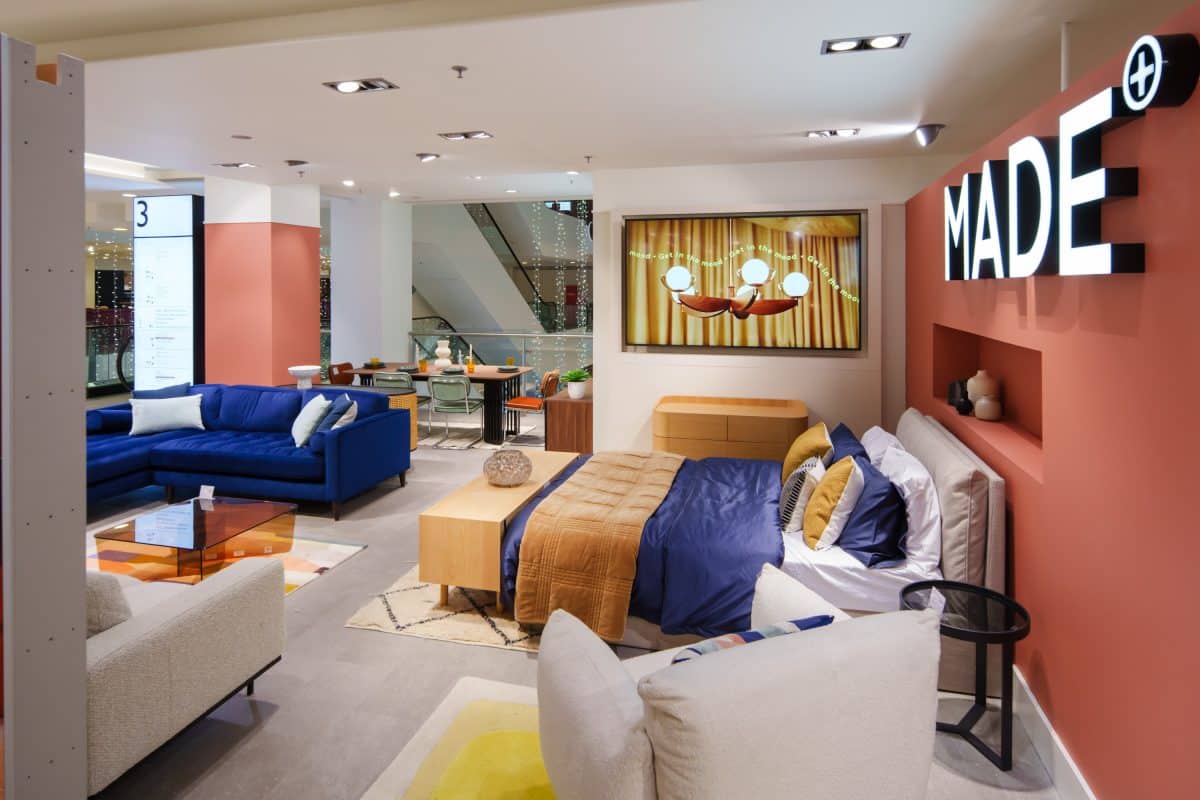

John Lewis has announced a new collaboration with Made.com, further enhancing its renowned furniture offerings. This exclusive partnership sees the introduction of Made.com products in John Lewis’s Oxford Street location, reflecting a fresh approach to retail innovation. By incorporating Made.com’s designs, John Lewis aims to offer customers unique home furnishing solutions.
Following the successful integration into its flagship store, the retailer plans to feature Made.com’s products on its website and extend the concessions to more locations. This move signals a strategic step in adapting to modern consumer preferences by blending physical and digital retail spaces into a cohesive shopping experience.
John Lewis Expands Collaboration in Home Furnishing
The recent partnership with Next-owned Made.com represents a significant step in John Lewis’s strategy to enhance its home furnishing offerings. By integrating Made.com’s products into its Oxford Street flagship, John Lewis aims to attract a more diverse customer base, offering exclusive collections and bespoke pieces that cater to contemporary tastes. This alliance is not only strategic but also symbolic, marking a new phase in John Lewis’s retail innovation.
Following this initial launch, Made.com is set to debut on John Lewis’s online platform, extending its reach beyond physical stores. The decision to include Made.com on the website reflects an understanding of evolving consumer preferences and the need to provide an omnichannel shopping experience. This move underscores the importance of digital integration in today’s retail landscape, promising convenience and accessibility to John Lewis’s extensive customer base.
The Revitalisation of Oxford Street Flagship
John Lewis recently unveiled major upgrades to its Oxford Street flagship store, which now serves as a hub for these new partnerships. With an investment of £6.5 million, the renovations have brought a fresh look and enhanced shopping experience to this iconic retail destination.
The revamped flagship store, set to accommodate a West Elm concession soon, demonstrates John Lewis’s commitment to creating a vibrant retail environment. The renovations are part of a broader strategy to rejuvenate their physical retail spaces, ensuring they remain appealing and relevant in a digital-first era.
Investing in infrastructure and customer experience is crucial for maintaining competitiveness. As Peter Ruis, Executive Director of John Lewis noted, the investment not only boosts the aesthetic appeal but also supports their promise of exceptional service. Such measures are designed to bolster customer loyalty and attract new shoppers seeking quality and value.
Strategic Partnerships as a Growth Catalyst
The emerging partnerships reflect John Lewis’s focus on growth and innovation. By continually adapting to market trends and customer preferences, John Lewis positions itself as a dynamic and forward-thinking retailer. These collaborations signal a commitment to providing diverse and high-quality options to their clientele, aligning with their broader business objectives.
The strategic alliances with Made.com and other brands are not mere additions to John Lewis’s catalogue; they represent a calculated effort to enhance brand value and drive sales growth. These partnerships are indicative of a shift towards a more collaborative retail model that benefits all parties involved.
Emphasising Quality and Service
John Lewis has long been known for its commitment to quality and service, and these partnerships reinforce that reputation. By bringing in brands recognised for high-quality products, John Lewis ensures that its customers have access to some of the best home furnishings available.
This commitment extends beyond mere product offerings. Ensuring customers have unparalleled service, John Lewis integrates these new brands into its extensive service framework, providing expert advice and support. This integrated approach is designed to enhance the overall shopping experience, fostering trust and loyalty among their customer base.
The inclusion of Made.com and similar brands in John Lewis stores reflects a broader commitment to quality and service. By maintaining high standards and offering premium products, John Lewis strengthens its position as a leading retailer in home furnishings.
Impact on the Retail Market
The partnership between John Lewis and Made.com could potentially reshape the retail landscape, particularly in the home furnishing sector. With these strategic alliances, John Lewis is setting new standards for collaboration and product diversity, influencing market dynamics.
As more customers look for unique and specialised home furnishings, the partnership helps John Lewis meet these demands. Providing a wide range of products that cater to different tastes and preferences, the retailer is well-positioned to capture a larger market share. This move reiterates John Lewis’s focus on growth and market relevance.
These collaborations could inspire other retailers to explore similar partnerships, fostering a trend towards cooperative growth strategies within the sector. By leading the way in collaborative retailing, John Lewis not only expands its own reach but also sets an example for the industry.
Challenges and Opportunities Ahead
Despite the promise of these partnerships, John Lewis faces challenges in seamlessly integrating new brands into their retail ecosystem. Ensuring that the addition of brands like Made.com aligns with their existing product and service standards will be a test of their operational agility.
Adapting to this new model requires strategic planning and implementation to avoid potential pitfalls. This includes managing inventory, maintaining quality control, and ensuring that all retail partners adhere to John Lewis’s high standards. Navigating these challenges will be pivotal in ensuring long-term success.
While challenges exist, the opportunities presented by these partnerships are significant. They offer a chance for John Lewis to expand its market presence and attract new demographics of customers. Embracing innovation and flexibility will be key to capitalizing on these opportunities.
Future Prospects for John Lewis
Looking forward, the strategic partnerships embarked upon by John Lewis offer a promising future. By aligning with brands like Made.com, John Lewis is positioning itself for continued growth and evolution in the retail market.
The success of these partnerships will depend on consistent execution and the ability to adapt to an ever-changing market landscape. John Lewis must remain agile and be ready to revise strategies as needed to maintain their competitive edge.
To ensure sustained growth, John Lewis will need to continue exploring new partnerships and opportunities for expansion. By fostering a culture of innovation and collaboration, they can ensure long-term success and relevance in the retail sector.
Conclusion
The collaboration between John Lewis and Made.com marks a significant moment in retail, setting the stage for future growth and innovation. With strategic partnerships and a renewed focus on customer experience, John Lewis is poised to become a leader in home furnishings.
Through quality offerings and exceptional service, John Lewis reiterates its brand promise and strengthens its market position. The partnership with Made.com represents not just an expansion of their catalogue but a carefully considered move in their broader business strategy.
This collaboration exemplifies a strategic move towards market leadership and innovation. John Lewis successfully combines quality products and service to enhance its retail appeal and ensure customer satisfaction.
