
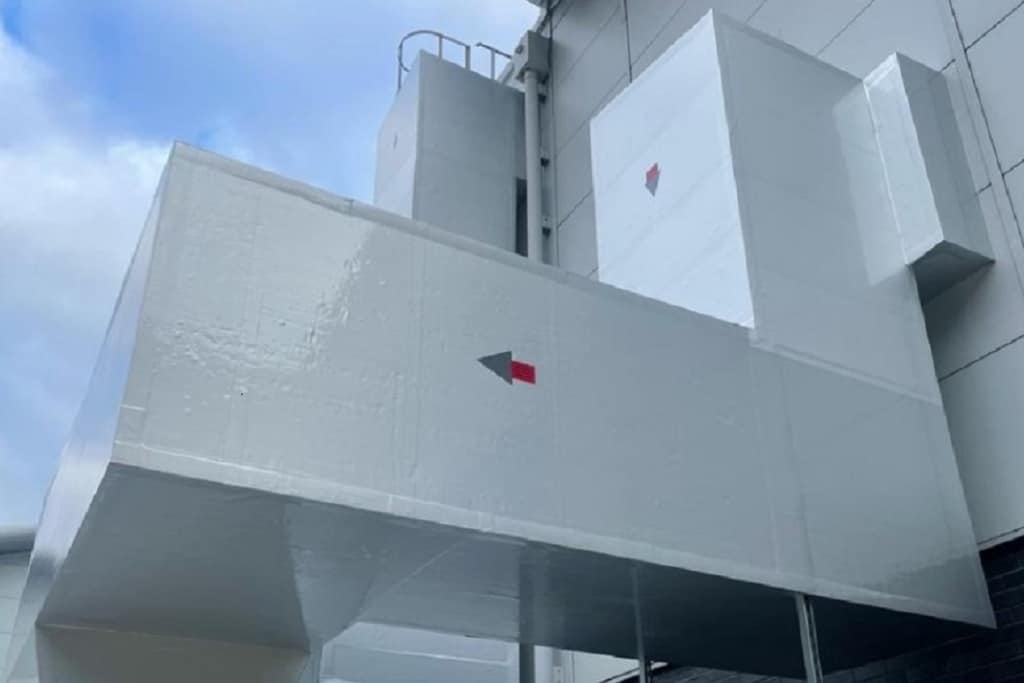

Concerns are rising over fire safety as contractors cut corners, using cheaper materials that compromise safety standards.
- Thermal Insulation Contractors Association (TICA) reports increased use of non-certified PIR boards on external ductwork.
- Contractors are undercutting competition, disregarding critical safety lessons from the Grenfell Tower tragedy.
- The construction sector’s fragmented nature complicates the verification of safety data as per the Building Safety Act 2022.
- TICA stresses the shared responsibility among manufacturers, distributors, clients, and contractors for ensuring proper product use.
The issue of fire safety in construction has once again been thrust into the spotlight. Contractors are reportedly opting for cost-cutting measures that undermines safety compliance. Specifically, the use of non-certified polyisocyanurate (PIR) boards on ductwork is becoming increasingly common, a trend that many argue disregards the hard-learned lessons from the Grenfell Tower disaster.
Members of the Thermal Insulation Contractors Association (TICA) have raised alarms about the prevalence of Euroclass F, non-certified PIR boards being used on both internal and external ductwork. This issue was first brought to attention in November 2022 concerning internal applications but has since expanded to external ones, further heightening safety concerns.
The competitive pressure to reduce costs is leading contractors to use less expensive materials, risking the safety standards that the construction industry is obligated to uphold. Such practices highlight the fragmented nature of the sector, which makes it challenging to maintain a consistent ‘golden thread’ of safety documentation, a key requirement under the Building Safety Act 2022.
Chris Ridge, TICA’s technical director, has expressed concern over the limited certification of PIR boards for specific applications. “There are several manufacturers of PIR board in the UK, yet only one has a product certified for use with externally located ductwork,” Ridge notes, signalling the need for clarity among manufacturers regarding product application.
Responsibility for ensuring the correct application of materials does not rest solely on one party but is shared among manufacturers, distributors, and installers. The potential for ambiguity where these responsibilities intersect may lead to incorrect usage of materials, thereby increasing risk. Ridge emphasises that clients must also ensure they employ competent subcontractors who adhere to safety standards.
The ongoing issue highlights the urgent need for strict adherence to safety regulations within the construction industry.
