
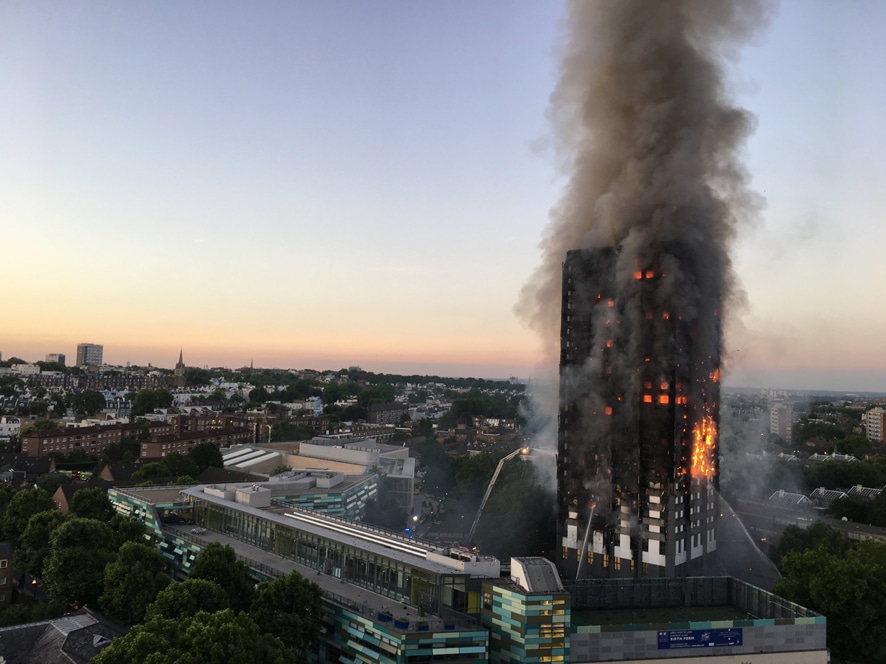

The Grenfell Tower Inquiry’s final report harshly criticises the Building Research Establishment (BRE) for its post-privatisation failures.
- The report calls for a new regulatory body to replace self-certification in the construction industry, accusing BRE of failing to maintain standards.
- BRE, once a trusted body, allegedly became compromised by commercialisation, undermining its respect and reliability.
- The Inquiry found evidence of unprofessional conduct and poor practices within BRE, particularly in testing regimes.
- Significant failures in BRE’s communication with government departments were highlighted, contributing to safety oversights.
The final phase 2 report of the Grenfell Tower Inquiry delivers a severe critique of the Building Research Establishment (BRE), exposing significant deficiencies since its privatisation in 1997. The report suggests the establishment of a new regulatory framework to replace the current self-certification methods in the construction industry, proposing an office of Chief Construction Adviser with the necessary resources to advise the government.
According to the report, BRE has fallen from grace, with commercial interests overshadowing its commitment to public safety. Allegations of inadequate testing practices and insufficient oversight have been noted, demonstrating a worrying trend of prioritising business relationships over rigorous scientific processes.
BRE, historically recognised for its expertise in fire safety, was found lacking in professional conduct and scientific rigour. Reports indicate that some staff members were too familiar with clients, which compromised the integrity of the testing processes. This included instances of manipulating testing outcomes and providing untrained staff with responsibilities beyond their capabilities.
The BRE’s failure to effectively communicate with government bodies further exacerbated the situation. The Inquiry highlighted incidents where BRE did not sufficiently alert the department to critical safety issues, such as the inadequate testing of fire cladding systems. This lack of communication weakened regulations meant to ensure public safety.
The Inquiry criticises the quality of BRE’s work, pointing out that reports prepared under various contracts lacked proper analysis and were superficial. These documents often provided unwarranted assurances regarding the effectiveness of safety regulations, failing to identify crucial safety lessons from past fires.
The Grenfell Inquiry highlights severe issues at BRE, urging significant reform to ensure construction safety.
