
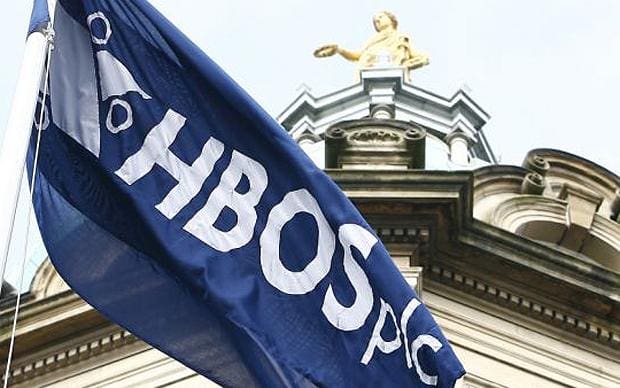

The long-awaited review into the HBOS scandal remains mired in controversy. Lloyds Banking Group’s hesitation to release the full report raises critical questions about transparency.
Stakeholders are increasingly concerned about the implications of withholding crucial information concerning a £1 billion fraud. The delay exacerbates uncertainty over accountability and justice.
The HBOS Reading scandal unveiled serious misconduct within the banking sector. This involved significant fraud orchestrated by bankers and consultants who exploited lenient credit policies to siphon funds illicitly. This exploitation affected numerous small and medium-sized enterprises, causing vast financial and emotional distress. The fraudulent activities came to the forefront after the collapse of the Reading branch, compelling the involvement of regulatory authorities.
Lloyds Banking Group acquired HBOS amidst the financial crisis and inherited the unresolved scandal. The bank has since faced scrutiny over its handling and alleged concealment of fraudulent activities at HBOS. The institution’s approach to transparency and accountability is now under question, particularly as it relates to the release of a comprehensive review conducted by Dame Linda Dobbs.
The opacity surrounding the Dobbs review’s disclosure has only intensified calls for Lloyds to uphold its earlier promises. Stakeholders argue that transparency is vital for justice to be served. The substantial impact on victims and the public interest underscores the need for a comprehensive release of the review.
Their dissatisfaction with Lloyds’ current stance is palpable. They have been vocal advocates for transparency throughout this lengthy process. Their efforts highlight the human impact of corporate malfeasance and the ongoing struggle for accountability in high-profile financial misconduct cases.
Despite these regulatory expectations, Lloyds’ reluctance to disclose fully has cast doubt on achieving genuine accountability. The potential £1 billion loss due to fraudulent activities heightens the need for thorough regulatory scrutiny and appropriate legislative responses.
Lloyds’ attempt to clarify its stance has resulted in more questions than answers. The ambiguity surrounding the bank’s obligations to disclose further fuels the scepticism directed towards their handling of the report. Clarity and openness remain crucial to restoring public trust.
The extensive delays and reluctance to release the full review underscore the complexities involved in handling corporate fraud transparently. Stakeholders continue to advocate for full disclosure, emphasising that learning from past mistakes is essential for rebuilding trust and ensuring robust financial governance.
The protracted debate over the HBOS scandal report highlights significant flaws in corporate transparency practices. Lloyds’ decision on disclosure will profoundly influence public perception and trust in financial institutions.
The resolution of this case stands as a crucial test for future corporate governance, emphasising the need for integrity, transparency, and accountability across the banking sector.
