
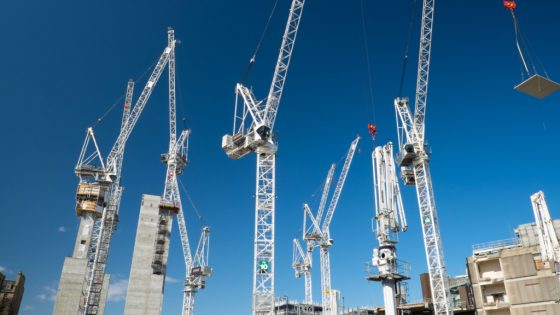

The construction industry is experiencing its swiftest growth in two years, according to newly published data.
- The S&P Global Construction Purchasing Managers’ Index reached a two-year high in May 2024.
- Commercial, civil engineering, and housebuilding sectors all exhibited increased activity.
- There is notable improvement in job creation and supply-chain conditions.
- Industry experts are optimistic about continued growth, albeit with some caution due to market volatility.
The latest figures for the construction industry show a robust period of growth, the fastest observed in two years. The S&P Global Construction Purchasing Managers’ Index, a respected measure in the sector, recorded a score of 54.7 in May 2024, up from 53 in April. This represents a significant acceleration in activity not seen since the brief surge between Covid lockdowns and the former chancellor’s mini-Budget. Any score above 50 indicates growth, highlighting the positive strides being made across the industry.
May marked the first instance in two years where all three primary sectors in construction—commercial, civil engineering, and housebuilding—saw increases in activity. Commercial workloads dominated during this period, with civil engineering also experiencing growth, and housebuilding showing a slight uptick from April. This broad-based expansion is a strong indicator of the sector’s current vitality.
Further positive trends include new orders increasing for the fourth consecutive month and job creation reaching its sharpest pace since September of the previous year. The supply-chain environment has also shown marked improvements, with stable stock levels and a slowdown in input cost inflation, providing additional support to the industry’s upward trajectory.
S&P Global’s economics director, Andrew Harker, praised the momentum within the industry, noting the widespread rise in activity. He specifically mentioned the rise in housing projects after a prolonged period of stagnation, indicating renewed confidence among firms, which are gearing up for further growth. Companies are expanding their employment and purchasing activities, aligning with the uptick in workloads.
Atul Kariya from MHA expressed optimism regarding the data, calling it a beacon of positivity. He highlighted the substantial growth in commercial responsibilities and improvements in economic indicators, suggesting potential interest rate cuts could further stabilise the market. However, industry experts remain cautious due to potential market volatility and the deferred impact of predicted interest rate adjustments.
Terry Woodley of Shawbrook shared a mixed outlook, expressing optimism tempered by concerns over market volatility. The possibility of delayed interest rate reductions has prompted lenders to increase rates in certain areas, posing additional cost considerations for developers alongside rising material and labour costs.
The construction sector’s current growth spurt is a positive indicator, but industry vigilance remains critical amidst economic uncertainties.
