
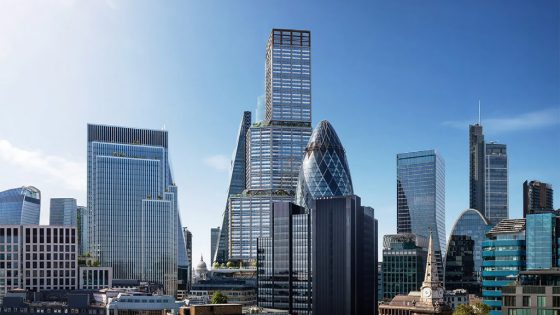

Emerging plans propose a new skyscraper in London’s financial district, rivaling the iconic Shard’s height.
- City of London officials advocate for the construction of this 73-storey structure following an updated proposal.
- The new development promises extensive office spaces, cultural venues, and public amenities to invigorate the area.
- Historic England voices opposition citing missed architectural opportunities and historical concerns.
- The planning officers stress economic growth as a pivotal factor, granting weight to the proposal in decision-making.
City of London officials have advised councillors to support new plans for a skyscraper that would match the height of the Shard. This ambitious proposal, which amends a previous approval from 2019 for a marginally shorter building, is set for discussion in an upcoming City of London Corporation planning sub-committee meeting. Key to this proposal are the conditions requiring referral to both the Mayor of London and the Secretary of State.
The proposed skyscraper, backed by Stanhope, aims to provide over 150,000 square metres of office space, potentially accommodating more than 9,000 workers. The top floors would offer a publicly accessible viewing gallery and an education hub, while the ground level is set to include seating and wayfinding elements. Furthermore, the design incorporates floors dedicated to cultural, retail, and dining spaces, specifically from the 10th to the 12th floors. Additionally, enhancements to St Mary Axe, Undershaft, and Leadenhall Street are anticipated as part of the project, designed to boost the area’s vibrancy.
However, not all feedback has been positive. Historic England has criticised the proposal as a ‘serious missed opportunity’ for achieving an exemplary architectural design that befits the City of London’s storied landscape. This sentiment is echoed by the Twentieth Century Society, which strongly objects to the demolition of the 1960s Aviva Tower, a necessary step for the new development.
In contrast, planning officers have highlighted the development’s role as a sophisticated blend of geometry and functionality, offering a cohesive integration of office, public, and cultural spaces. They argue that the high-quality, office-led development will meet growing business needs while fostering collaboration, thus maintaining the City’s status as a preeminent business hub. They assert that significant consideration should be given to the economic growth opportunities presented by the proposal, concluding that, when weighed alongside the development plan, there is sufficient reason to approve it, subject to specified conditions.
The proposal for a new skyscraper in London reflects a balance between economic growth and cultural preservation amid divided opinions.
