
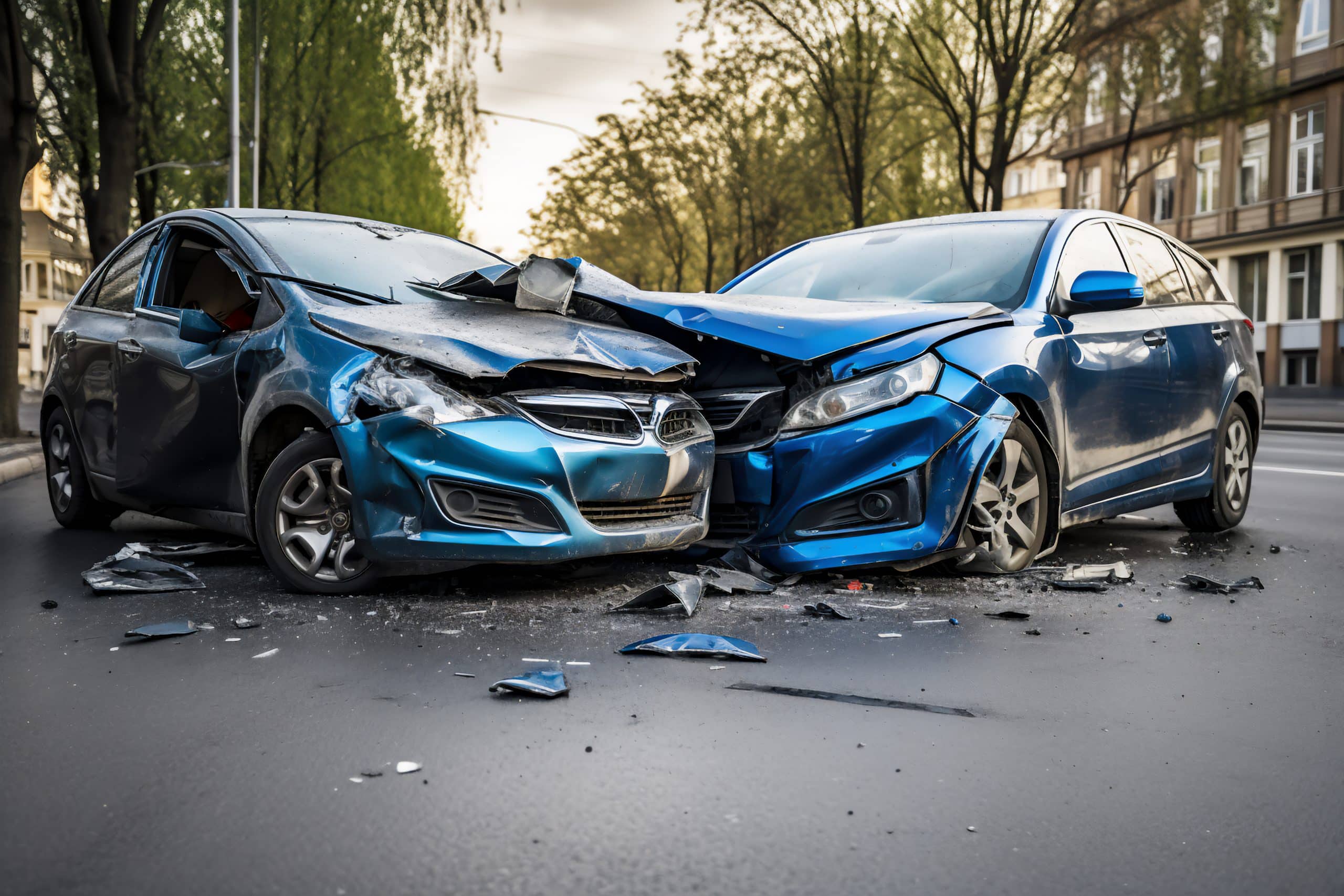

Proving liability after a car accident is crucial for insurance and legal outcomes. This guide provides insights into the complexities of fault determination, highlighting the importance of negligence, evidence, and legal assistance. With traffic laws and police reports playing significant roles, understanding comparative negligence and expert analysis is essential. Admissions of fault and witness testimonies further complicate the process.
Proving liability in the aftermath of a car accident is a task fraught with complexity, carrying weighty implications for insurance claims and legal proceedings. Crucially, identifying the at-fault party involves a detailed examination of various factors, amongst which traffic law violations and police reports are paramount.
Traffic law violations, such as running red lights, speeding, and illegal turns, serve as initial indicators of negligence. These actions, directly opposing prescribed road safety measures, are scrutinised to ascertain their contribution to the incident. When a driver is found to have violated these laws, it significantly sways the determination of fault.
Police reports stand as crucial, objective records providing an official account of the incident. They include evidence collection from the scene and assessments from responding officers, often highlighting any traffic law breaches committed. This documentation, analysed alongside other evidence, forms a cornerstone in legal deliberations.
Physical evidence from the accident scene, like skid marks and vehicle damage, contributes significantly to reconstructing the event. This evidence helps identify the dynamics leading to the crash, shedding light on vehicle speeds and directions at the moment of impact. Such data is indispensable in clarifying what transpired.
Witness testimonies are invaluable, offering unbiased narratives that either corroborate or challenge accounts given by those involved. These testimonies, examining conditions such as road conditions and the drivers’ actions, add depth to the factual matrix considered when assessing liability.
In complex cases, the expertise of accident reconstruction specialists becomes essential. Employing scientific principles and scene evidence, these experts recreate the sequence of events. Their insights, often pivotal, are influential in both court settings and insurance evaluations.
Admissions of fault at the scene, while impactful, do not solely define liability. The context, including the mental state of the driver and surrounding circumstances, factors into the overall analysis.
Moreover, the concept of comparative negligence recognises the potential for shared fault among multiple parties. This nuanced view of liability distributes responsibility proportionately based on each party’s contribution to the accident, affecting the compensation calculations.
Proving liability in car accidents demands meticulous scrutiny of evidence and expert guidance, ensuring fair outcomes in complex scenarios.
