

The government’s decision on the £9bn Lower Thames Crossing has been delayed by seven months, sparking frustration within the industry.
- Originally set for October, the decision has been postponed to May 2025, hindering progress on critical infrastructure.
- The delay is attributed to the need for more detailed consideration and outcomes from an upcoming spending review.
- The postponement adds to a series of setbacks for significant infrastructure projects in the UK.
- Industry leaders express concerns over prolonged congestion and economic impacts due to the delay.
The decision regarding the much-anticipated £9bn Lower Thames Crossing has been deferred once more, now extended by at least seven additional months. Initially expected by October 2024, the determination has been pushed to May 2025. This delay has elicited widespread concern within the construction and logistics sectors, which were preparing for a final verdict.
Transport Secretary Louise Haigh confirmed the postponement, citing a requirement for more thorough deliberation on the project, as well as the implications of upcoming fiscal evaluations. Haigh’s decision aligns with previous delays, following an initial extension intended to allow post-general election assessments.
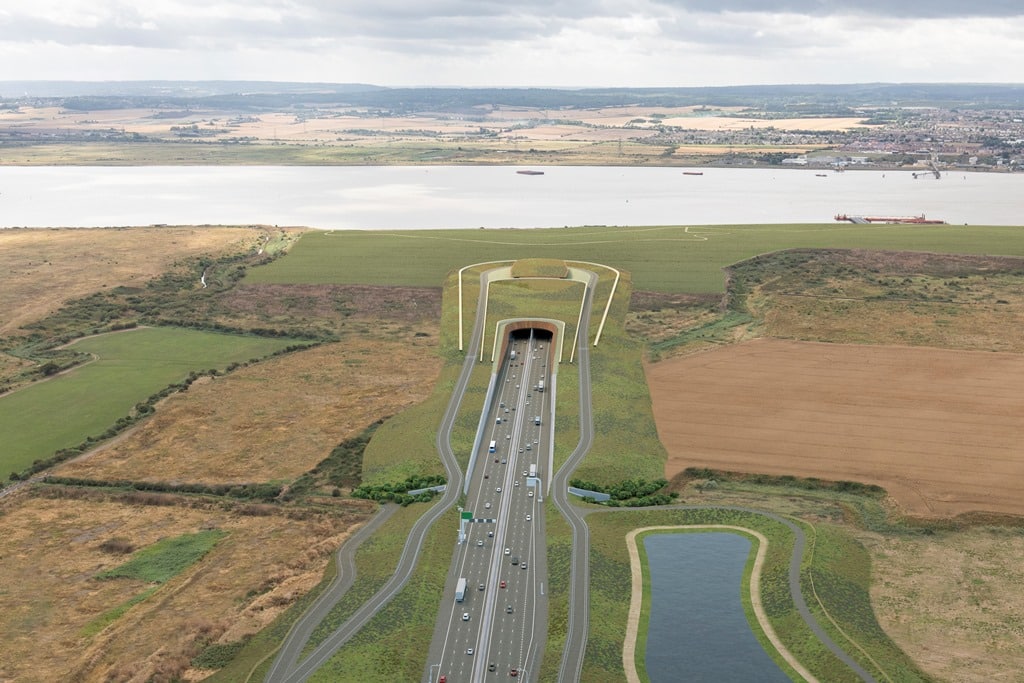
The project, which proposes a substantial infrastructure upgrade with a twin tunnel beneath the River Thames, aims to alleviate congestion at the Dartford Crossing, currently the sole crossing east of London. This initiative, initially outlined in the late 1980s, has faced numerous obstructions, extending its timeline considerably.
Industry voices, such as Logistics UK’s David Wells, have openly criticised this recent deferment. He articulates that the delay contradicts governmental promises about reviving construction momentum across the UK. Wells highlights the economic ramifications, stressing that congestion costs the nation over £200m annually in lost productivity.
The Lower Thames Crossing, pivotal in enhancing connectivity between critical regional and international trade routes, is expected to generate significant economic benefits and job creation. Yet, in its protracted planning phase for over a decade, this new setback perpetuates existing logistical challenges, further burdening businesses reliant on efficient transport networks.
The repeated deferrals of the Lower Thames Crossing decision underscore ongoing challenges in progressing essential infrastructure projects in the UK.
