
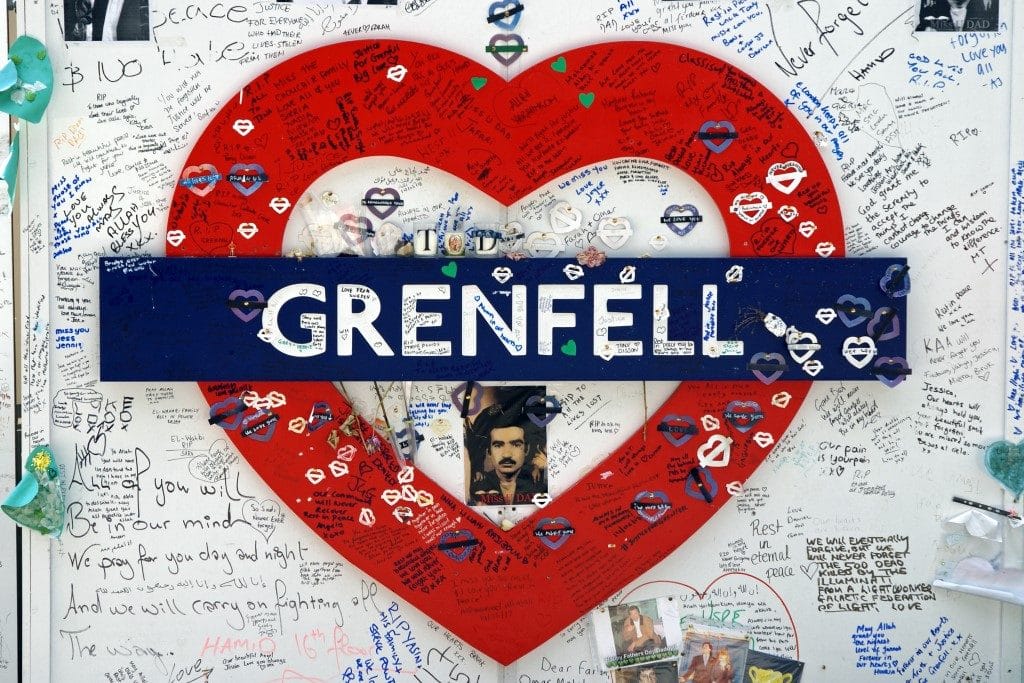

In a significant development, the final report of the Grenfell Tower inquiry is set for release, providing much-anticipated insights over seven years post-tragedy.
- The report’s publication, scheduled for 4 September, follows multiple delays, marking a critical juncture in the investigation of the 2017 fire.
- Core participants will receive advance copies, as the report seeks to unravel the complex factors contributing to the disaster.
- Key entities involved, from contractors to cladding suppliers, have testified, shedding light on decisions leading to the building’s vulnerability.
- The release prompts calls for the implementation of recommendations, amid criticism of governmental inaction on previous directives.
The final report of the Grenfell Tower inquiry, a comprehensive examination of the factors leading to the catastrophic fire in June 2017, will be released on 4 September. This comes more than seven years after the tragedy, which claimed 72 lives. The inquiry, which faced delays thrice, aims to provide a detailed account of the circumstances that caused the disaster. Core participants in the inquiry are set to receive copies a day prior to the public release, highlighting the impact of the report on various stakeholders involved.
The significance of this report cannot be understated, given the extensive testimonies from contractors, cladding suppliers, and government officials during the second phase of the inquiry. Notable entities, such as Rydon, Harley Facades, the British Board of Agrement, Kingspan, Arconic, and Celotex, have provided evidence, illuminating the myriad decisions that culminated in the building’s heightened susceptibility to fire. Inquiry Chair Sir Martin Moore-Bick articulated the compounded nature of these decisions that resulted in vulnerabilities of the structure, specifically attributing the primary cause of the rapid fire spread to the installed aluminium composite material cladding during its refurbishment between 2012 and 2016.
This impending release follows the initial report published in October 2019, which predominantly focused on the events of the night of the fire. It is anticipated that the phase two report will address recommendations and the adherence to them, given that the implementation of several critical recommendations from phase one remains pending. Grenfell United, a campaign group representing survivors and bereaved families, voiced its expectations that the report will ensure accountability and provide the ‘truth we deserve.’
The delay in releasing the phase two report, initially expected in the autumn of 2023, was attributed to statutory obligations requiring the notification of individuals cited in the report. This bureaucratic necessity underscores the inquiry’s complexity and the sensitivity surrounding its findings. Principal lawyer Emma Wilson, representing families affected by the disaster, remarked on the dismay of her clients over the delays in actionable measures and accountability.
As the seventh anniversary of the fire nears, the Metropolitan Police have indicated that they will need an additional 12 to 18 months to finalise their investigation post-report publication. The subsequent transfer of evidence to the Crown Prosecution Service will determine if legal charges will be filed, with any trials potentially extending as far into the future as 2027. The extended timeline has drawn criticism, accentuating the necessity for immediate and concerted action to prevent recurrence of such a tragedy.
The impending release of the Grenfell Tower inquiry’s final report is pivotal, holding the promise of accountability and change.
