
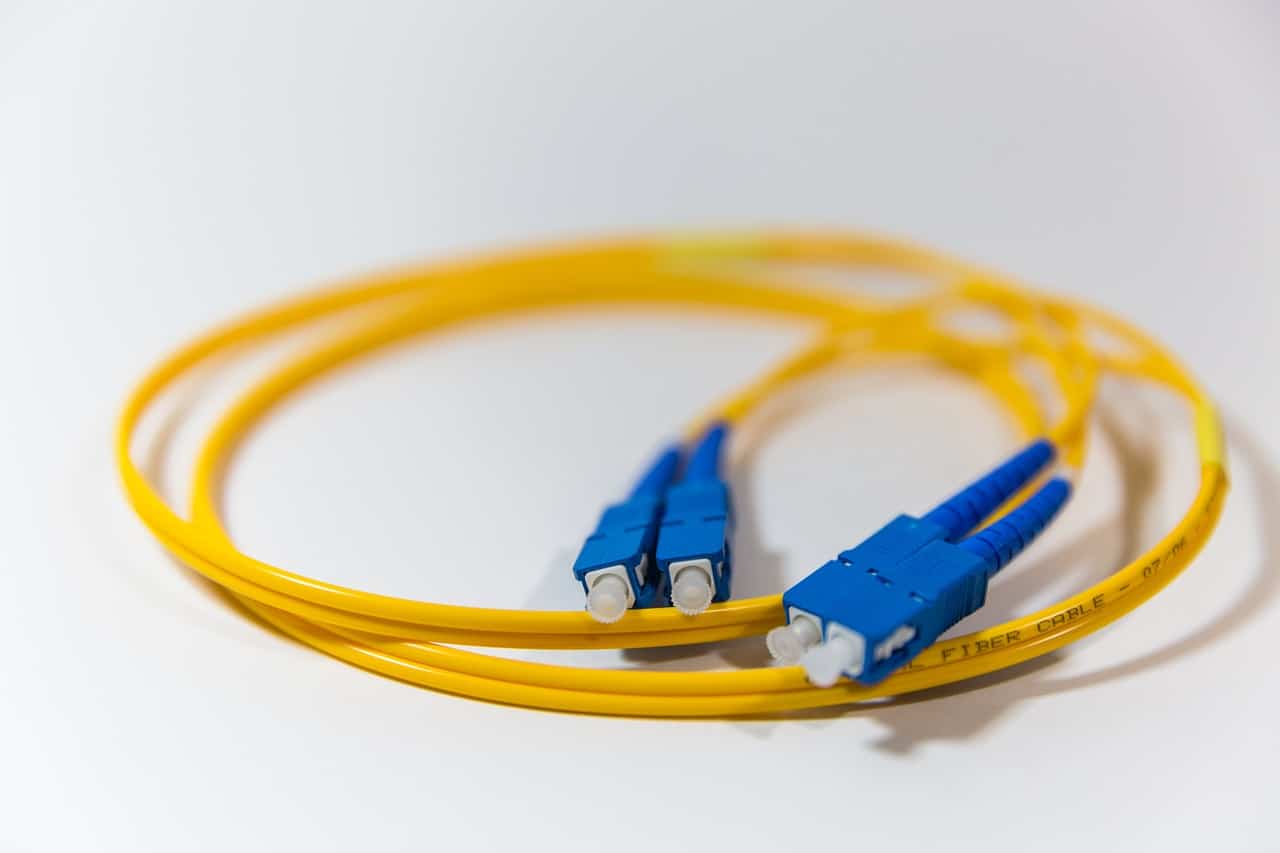

Ongoing research aims to use existing fibre-optic cables as sensors.
- Aston University leads this £5.5m EU project under Horizon Europe RIA.
- The technology could enhance global hazard detection without laying new cables.
- New digital signal processing methods integral for real-time data.
- Expected to deliver improved infrastructure monitoring using existing networks.
A pioneering research project, led by Aston University and backed by £5.5 million funding from the EU, seeks to revolutionise the way we monitor natural disasters. This initiative forms part of the Horizon Europe Research & Innovation Action (RIA), which is strategically designed to address global challenges while boosting European industrial competitiveness. This venture aims to retrofit existing telecommunication fibre-optic cables to function as sophisticated sensors capable of detecting natural hazards, such as earthquakes and tsunamis.
The project, named ECSTATIC, stands for Engineering Combined Sensing and Telecommunications Architectures for Tectonic and Infrastructure Characterisation. It is specifically targeted at converting telecom fibres into sensors, which necessitates advancements in digital signal processing. To address current limitations in data storage and processing capabilities, the team will employ localised, high-performance digital processing that leverages artificial intelligence and machine learning technologies. This approach is crucial to enhance the accuracy and efficiency of real-time event detection and network assessments.
Implementation of new technologies, such as laser interrogation and signal processing, will be evaluated across a range of existing fibre optic infrastructures. This includes networks deployed under the sea, within urban environments, and alongside rail systems. The project’s ambition is to determine the potential of these existing networks to provide widespread, sophisticated sensing capabilities without the need for laying additional fibre lines.
Over three and a half years, a consortium of 14 partners from seven countries, encompassing both academic and non-academic sectors, will collaborate on this transformative project. An influential figure in this endeavour, Professor David Webb from the Aston Institute of Photonic Technologies, leads the consortium. He emphasises the expansive opportunity presented by over five billion kilometres of installed data communications optical fibre cable, which traverse seas, oceans, and land. Professor Webb stated, “There are more than five billion kilometres of installed data communications optical fibre cable, offering the potential for smart structural health monitoring.”
The ECSTATIC project stands to significantly advance the field of disaster detection and infrastructure monitoring using existing fibre-optic networks.
