
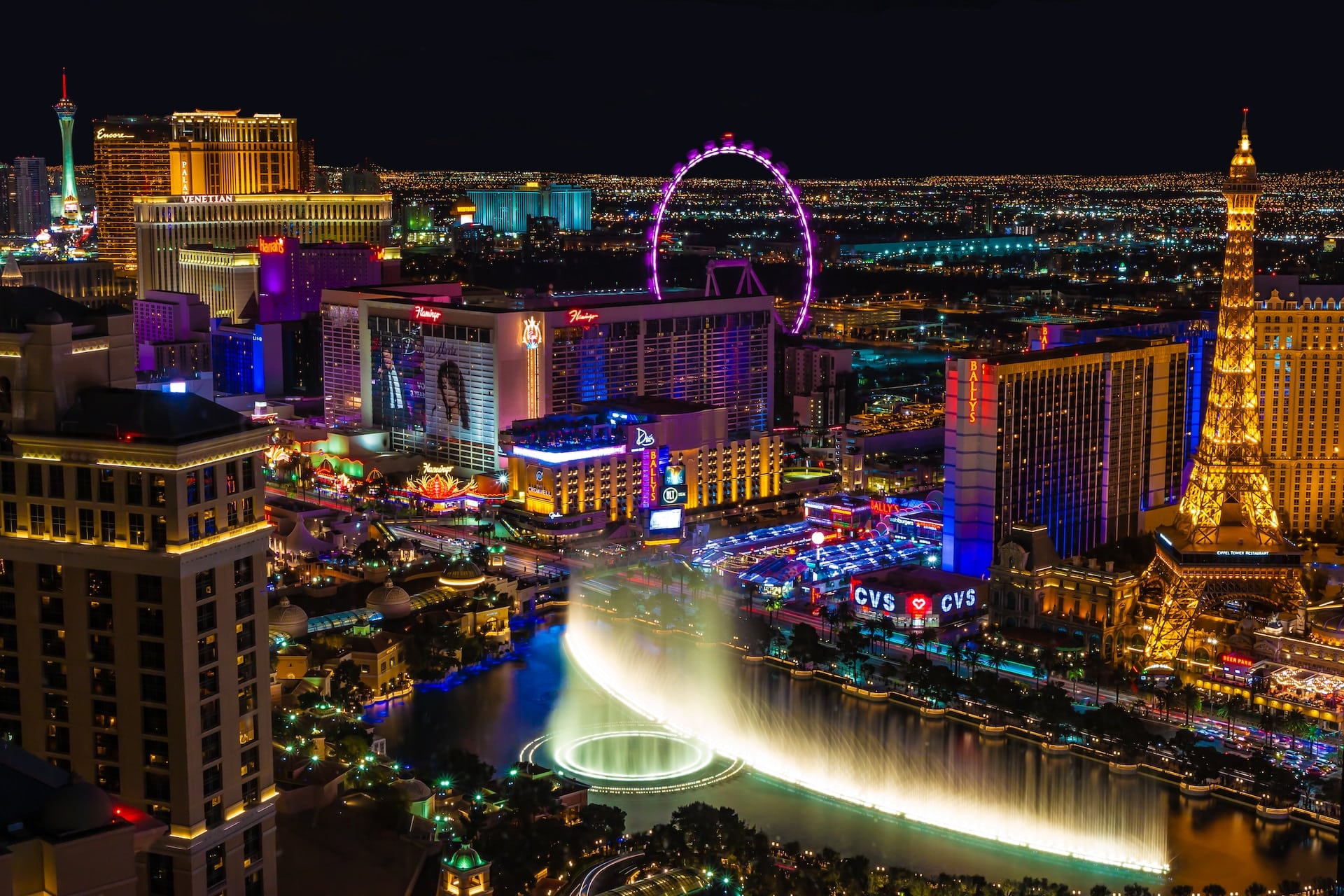

The Las Vegas Strip might lose the iconic Casino Royale, altering its storied landscape.
- Casino Royale has been a staple since 1979, offering affordable gambling against its opulent neighbours.
- The name evokes James Bond allure, although unofficially linked, adding intrigue.
- Real estate pressures make smaller venues like Casino Royale less viable.
- A shift towards upscale experiences may transform the Strip’s accessible charm.
The potential closure of Casino Royale on the Las Vegas Strip signals a significant shift in this iconic location. Since its establishment in 1979, Casino Royale has provided an accessible gambling option, differentiating itself from its extravagant neighbours. Its affordability and relaxed atmosphere garnered a loyal following, allowing a wider demographic to experience the thrill of the Strip without the financial burden typical of larger establishments.
Though Casino Royale is not officially associated with the James Bond franchise, the name adds a layer of sophistication and mystery, enhancing its appeal among enthusiasts and casual gamblers alike. This subtle yet potent association significantly contributed to its unique identity within the bustling Las Vegas casino scene.
However, the dynamics of the Strip are changing. Rising real estate prices have made it increasingly challenging for smaller, less opulent casinos to compete. Developers see opportunities in these valuable locations to build lavish ventures that align with the Strip’s trend towards luxury. Consequently, smaller venues like Casino Royale face existential threats in a market that favours grandeur and spectacle.
Alongside real estate pressures, shifting tourist demographics and preferences favour comprehensive luxury experiences over traditional offerings. Visitors now seek not only gambling but also gourmet dining, high-end shopping, and exclusive entertainment options. This transformation dictates that casinos either adapt or risk obsolescence, making it difficult for places like Casino Royale to maintain their traditional appeal.
The closure of Casino Royale could alter the Strip’s diverse atmosphere, potentially deterring budget-conscious tourists who valued its affordable gaming options. The move toward a more uniform upscale experience risks eroding the unique blend of high and low offerings that have long characterised the Las Vegas Strip, a mosaic of affordability and luxury.
The loss of Casino Royale exemplifies the inevitability of change within the dynamic Las Vegas Strip as it continually adjusts to shifting real estate and visitor preferences.
