

A regional authority faces significant cost increases in its transport programme, rising by £121m due to various challenges.
- Contractor disputes and inflation are key factors contributing to the cost hike in the £1bn transport scheme.
- The West Midlands Combined Authority considers deferring projects to manage financial strains.
- No current projects under construction are threatened, despite the financial challenges.
- Authorities are negotiating with contractors to address proposed cost increases.
The West Midlands Combined Authority (WMCA) has encountered a £121m surge in costs across its transport programme, originally valued at £1bn. This increase stems from multiple challenges including ‘excessive inflation, supply chain issues,’ and a range of design and site risks. The added difficulty of contractors entering administration further complicates financial planning for ongoing projects.
The report to the WMCA board by director of delivery Jo Shore highlighted persistent contractor disputes as a significant contributor to the rising expenses. Consequently, the authority is actively challenging some of the inflated costs and is in the process of negotiating final prices with contractors involved in the projects. This strategic approach aims to mitigate some of the financial pressures.
In light of the increased costs, the Authority is considering deferring specific projects such as a £30m train station in Aldridge, Walsall, and parts of a cross-city bus route. This consideration is part of a broader effort to address budgetary constraints imposed by the unforeseen financial demands. To partially alleviate the financial shortfall, contingency funds within the government’s five-year settlement will be employed.
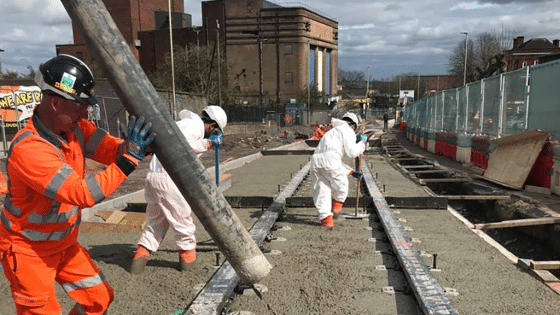
Despite the fiscal challenges, no ongoing projects are currently at risk. According to a WMCA representative, existing constructions, such as the £235m Wednesbury to Brierley Hill metro extension, continue unaffected. This project is part of a larger scheme managed by Midland Metro Alliance in conjunction with other construction entities, maintaining progress despite past disruptions caused by super inflationary pressures.
Further efforts to stabilise the transport programme include the proposal by Jo Shore to allocate £20m for additional network projects. This allocation anticipates declining ticket revenues, a result of the cancellation of HS2’s northern leg, highlighting ongoing strategic adjustments to ensure the programme’s financial viability.
The WMCA is navigating complex financial challenges but remains committed to its ongoing transport projects with strategic adjustments.

