
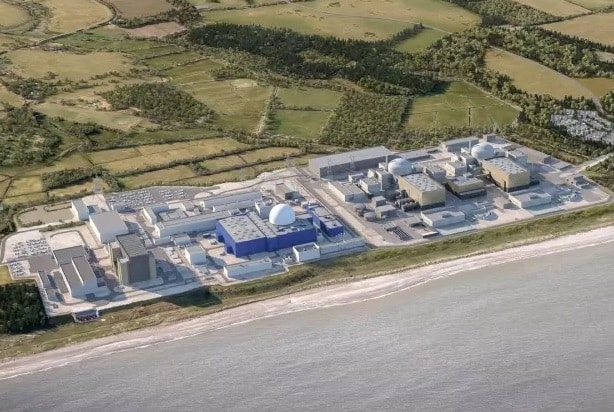

In a definitive ruling, the Supreme Court has decided not to entertain a legal appeal against the Sizewell C project.
- Together Against Sizewell C Limited (TASC) has persistently challenged the planning consent since 2022.
- Having been dismissed by the High Court and Court of Appeal, TASC’s final appeal attempt was rejected.
- The Supreme Court found no substantial legal point to justify hearing the case.
- This decision brings an end to nearly two years of legal proceedings against the project.
The Supreme Court’s refusal to hear a legal challenge concerning the Sizewell C development marks a significant milestone in the project’s journey. The decision effectively ends the legal avenue for Together Against Sizewell C Limited (TASC), which has persistently contested the planning consent order since its issuance in 2022. Despite facing setbacks at both the High Court and the Court of Appeal, TASC remained determined, advancing their appeal to the Supreme Court in January 2024.
TASC’s challenge was based on two grounds it believed presented arguable points of law with broad public importance. However, the Supreme Court disagreed, noting that the application did not introduce an arguable point of law. This judgment is final and signifies the close of TASC’s legal action regarding Sizewell C.
Throughout this lengthy legal battle, the Secretary of State for Energy and the project’s backers, Sizewell C Limited, stood in opposition to TASC’s claims. Both parties, upon submitting their objections, found favour with the judicial system’s consistent rulings in their favour.
Sizewell C Limited, supported by Herbert Smith Freehills since 2010, now stands poised to continue with the project’s progression. Catherine Howard from the law firm remarked on the closure of a prolonged legal odyssey, highlighting that the Supreme Court’s decision finally put to rest a series of challenges that began as early as August 2022.
This development is of particular significance given the broader context of the UK’s environmental objectives. Charlotte Dyer, also of Herbert Smith Freehills, underscores the project’s potential impact, emphasising its role in contributing to the nation’s net zero ambitions.
The Supreme Court’s decisive action conclusively resolves the legal controversies surrounding the Sizewell C project, enabling its continuation.
