
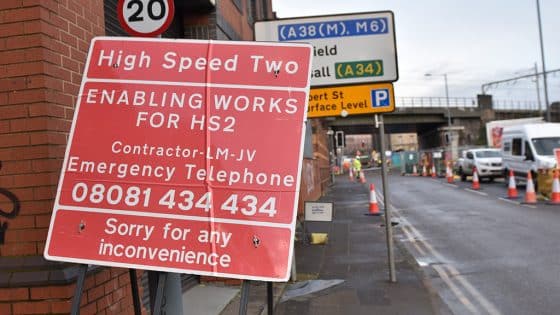

The cancellation of HS2’s second phase has been estimated to incur a staggering £100 million cost and extend over three years, despite the absence of significant construction work. An in-depth report has scrutinised the project’s setbacks and financial implications.
- The National Audit Office (NAO) has revealed that reversing works already commenced will continue until summer 2027.
- The Department for Transport and HS2 Ltd are strategising to minimise the costs associated with halting a substantial segment of the project.
- Concerns have emerged over the renegotiation of key contracts, which have not delivered the intended cost control and productivity improvements.
- Major challenges loom as the DfT attempts to resolve the allocation of £592 million worth of redundant land assets.
The National Audit Office (NAO) has forecasted that the cessation of the second phase of HS2 would require an expenditure of £100 million and will take an estimated three years to complete. Despite the fact that no major construction work has been executed, the project has necessitated the drilling of more than 1,000 boreholes, many of which now need to be filled to return the land to its former state. Reversing the efforts already initiated is projected to extend until the summer of 2027.
Commissioned to assess the response to these cancellations, the report unveiled that the Department for Transport (DfT) along with HS2 Ltd, are still in the process of developing strategies to alleviate the expenses incurred by cancelling a significant portion of this infrastructure megaproject. The publication of this report was strategically delayed until after the electoral processes to maintain adherence to impartiality regulations.
A noteworthy development is that the station at Birmingham Curzon Street, a collaboration between Mace and Dragados, will proceed albeit with modifications. The initial plan for seven platforms has been scaled back to three, reflecting the reduced scope of the service.
While some activities at the Euston site may continue, the Department for Transport anticipates a protracted period before it can establish a development corporation and secure private financing. According to the NAO, this process could take several years to realise fully.
The report further highlighted significant hurdles in renegotiating the four principal construction contracts associated with phase one. While both the DfT and HS2 Ltd recognise the need for such negotiations to curb costs, the organisations also concede the complexities involved in renegotiating long-standing agreements.
Another pressing issue for DfT is the disposal of redundant land acquired for the project, valued at approximately £592 million. Determining the most efficient means of redistributing these land assets remains a task yet to be resolved.
The High-Speed Rail Group, comprising firms participating in the HS2 project, articulated that the existing HS2 strategy will not enhance national economic growth nor restore satisfactory train performance levels on the west coast. This position is underscored by their statement that effective high-speed rail can indeed bolster regional economies, but the current plan, as analysed by the NAO, fails to meet such aspirations.
The evaluation of HS2’s cancellation costs underscores the complexities and challenges of managing large-scale infrastructure projects within the constraints of fiscal and logistical realities.
