
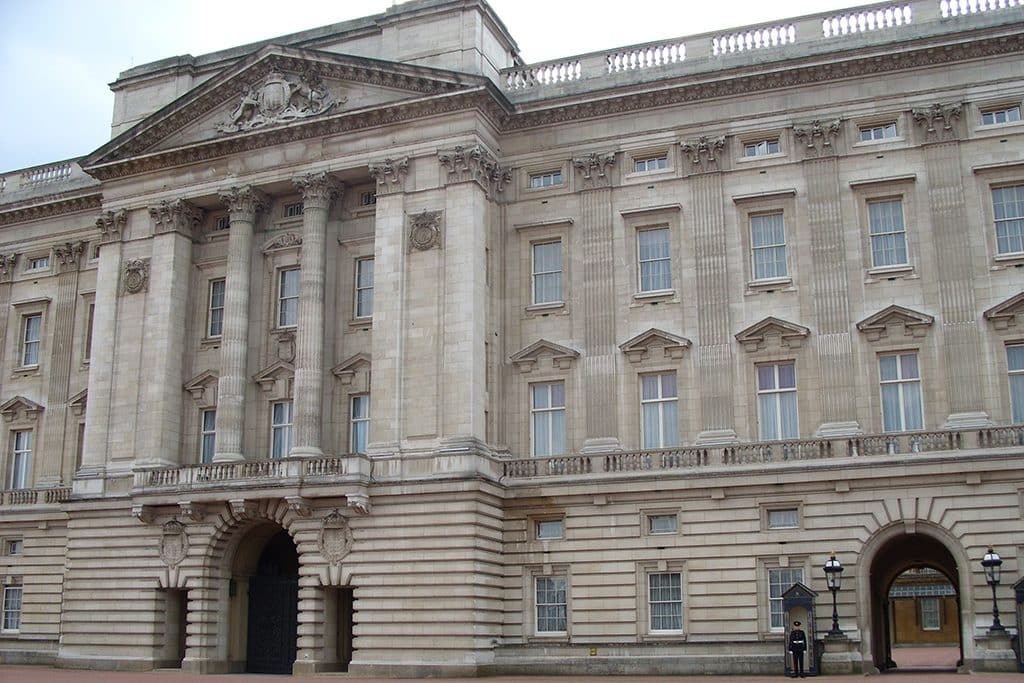

Buckingham Palace is undergoing a significant 10-year renovation project, targeted for completion by 2027, despite facing various challenges.
- By March 2024, £238.9 million has been spent, representing 65% of the allocated budget, with an estimated £1.6 million underspend expected by completion.
- The refurbishment has encountered delays and cost overruns, notably on the East Wing, due to additional structural damage and the discovery of asbestos.
- Despite three necessary project resets due to unforeseen complications, 80% of planned improvements, including infrastructure upgrades, have been completed.
- Concerns remain regarding the limited contingency funds and the increased risks linked to concurrent works scheduled for 2026/27.
Buckingham Palace is currently undergoing a comprehensive refurbishment, set to conclude by 2027, with substantial progress made despite a series of obstacles. Initiated with the goal of ensuring the landmark’s infrastructure meets contemporary standards, the £369 million project is on track to finish within budget, according to a report by the National Audit Office (NAO). By March this year, the project had expended £238.9 million, approximately 65 per cent of its total budget.
The refurbishing initiative has not been without its challenges. Significant delays and cost increases have plagued the East Wing renovations, initiated in October 2019 and concluded only in October 2023. These setbacks, running two years over schedule and accounting for a 78 per cent cost overrun, were attributed to unexpected structural issues, asbestos discoveries, and insufficient performance from the design team.
Overall, the programme has demonstrated competent management, attested by the high completion rate of planned improvements. Almost 80 per cent of the operational upgrades have been executed, including new lifts, updated lavatories, and accessible entrance ramps, as well as critical infrastructure enhancements such as new boilers and the removal of hazardous cabling.
The refurbishments were significantly disrupted by the Covid-19 pandemic, resulting in three major resets to the programme. These included a reassessment of the project timeline, implementation of cashflow risk management in 2022 due to pandemic effects, and a final adjustment in early 2024 to prioritise North Wing tasks while delaying the South Wing to 2025.
Despite progressing well, the project faces challenges ahead. The lack of extensive contingency funds to cover unforeseen risks poses a potential threat to the remaining timeline. Additionally, as the final phases of work commence concurrently on the North, South, and West Wings, there is an elevated risk of management and supply chain complications, particularly in the last two years of the project.
The Buckingham Palace refurbishment is advancing successfully but must navigate remaining risks to ensure on-time and on-budget completion by 2027.
