
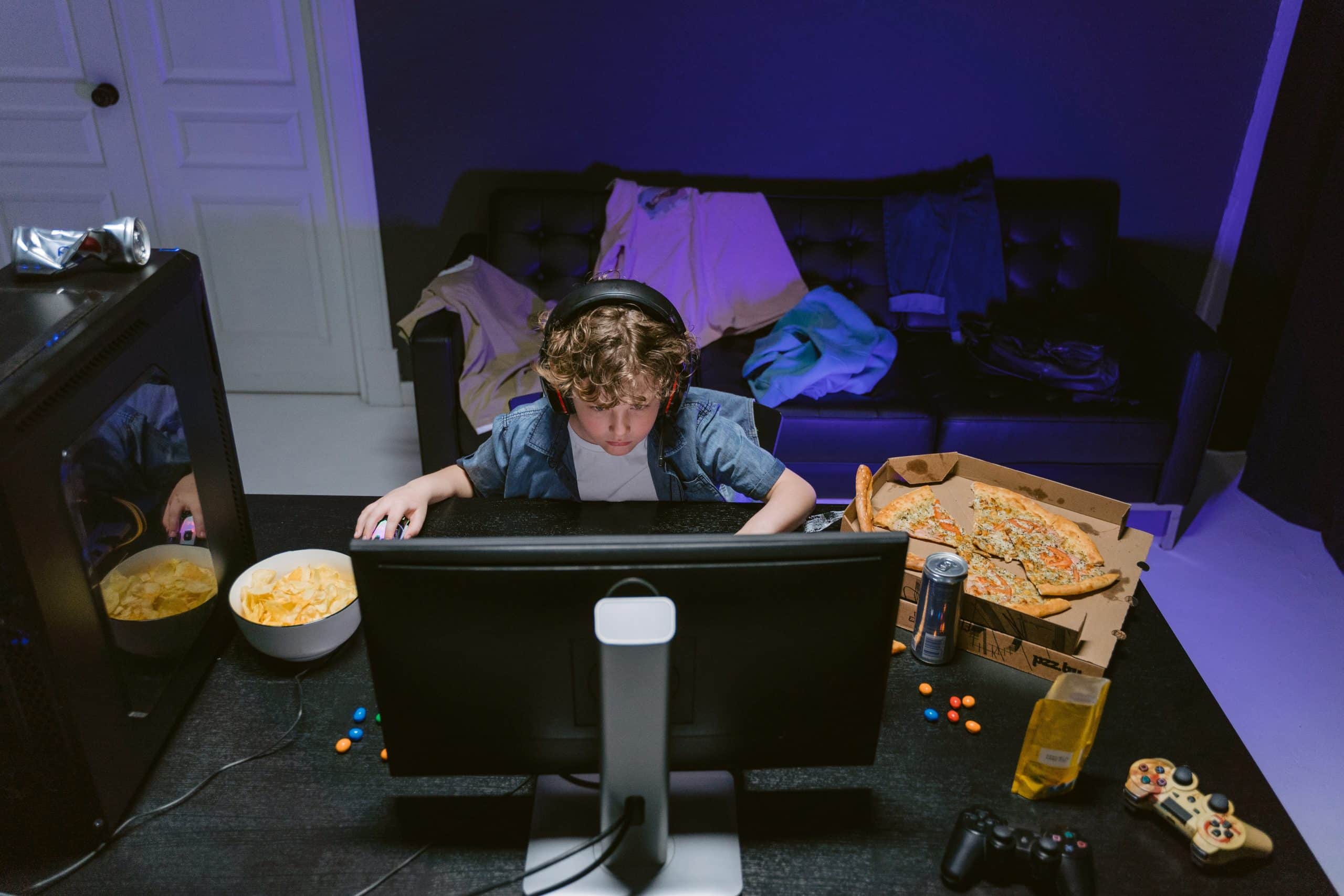

The growing popularity of online gaming amongst children is raising concerns about potential addiction.
- An authority in cybersecurity provides insights on recognising gaming addiction symptoms.
- Key behavioural changes can indicate the development of an addiction.
- Physical health impacts are a significant consequence of excessive gaming.
- Strategies for prevention and management focus on communication and balanced screen time.
The rise of online gaming over the past decade has brought attention to its influence on younger generations. While these games can enhance social and cognitive skills, the risk of addiction is a pressing concern for many parents. Lauren Mak, a cybersecurity expert, offers valuable advice on identifying addiction symptoms to ensure children can game safely without adverse effects.
Recognising addiction in children requires vigilance from parents. Behavioural changes such as a lack of interest in previously enjoyed activities, withdrawal symptoms including mood swings and anxiety, and neglect of personal care can serve as warning signs. These changes not only affect a child’s current lifestyle but also limit their future potential by curtailing other interests and hobbies.
Physically, gaming addiction can have severe repercussions. Extended gaming sessions may lead to chronic stress, with consequent lower immunity, frequent headaches, and weight gain due to sedentary habits. Moreover, poor posture can lead to chronic back problems, while the visual stimuli in games can trigger seizures in susceptible individuals, presenting immediate and long-term health risks.
To combat and prevent gaming addiction, establishing open communication with children is vital. Parents should seek to understand the problems their children face and work together to devise a comprehensive plan for improvement. Encouraging healthy screen use, mirroring behaviour, and setting reasonable gaming limits can aid in managing potential addiction. Implementing parental controls, while respecting a child’s privacy, is also advised, alongside promoting a positive view towards gaming as a means to engage children in discussions about healthier habits.
By adopting these preventative measures, parents can help their children enjoy gaming safely. As the cybersecurity expert from VPNOverview.com highlighted, balancing fun and safety is essential to nurturing a child’s healthy relationship with online games.
With proactive engagement and defined guidelines, gaming can remain a beneficial activity free from addiction risks.
