
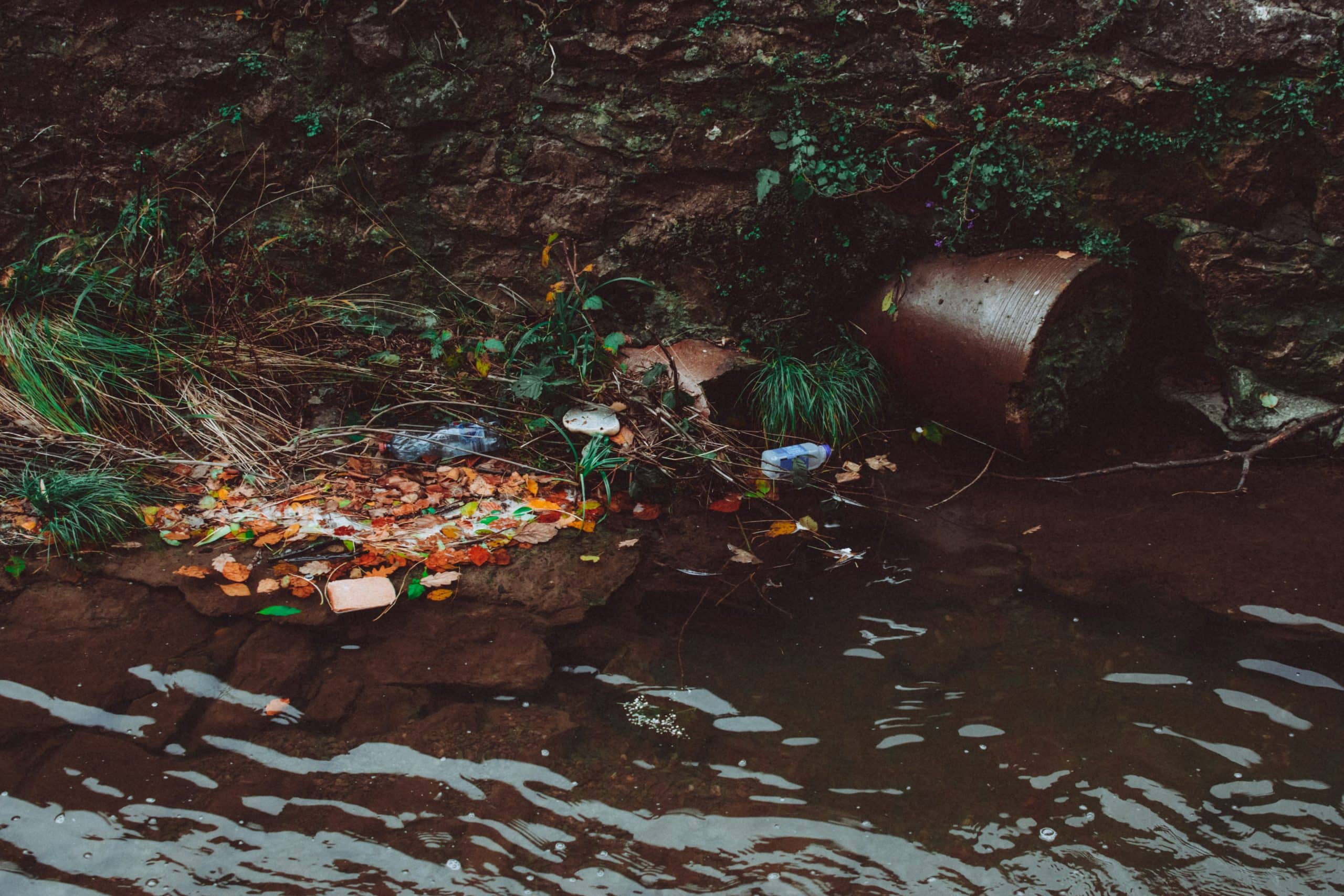

An evolving legal battle is unfolding in the River Wye catchment area as residents consider suing chicken producers for pollution. This conflict arises amid concerns over industrial-scale poultry farming’s impact on the river. Evidence suggests significant ecological damage, prompting legal experts to examine potential civil claims. The case highlights broader issues of environmental accountability and the role of agricultural practices.
- The River Wye, spanning Powys and Herefordshire, is threatened by poultry producers, with over 20 million birds housed in large units.
- Pollution from poultry farms is believed to degrade water quality, impacting landowners’ rights to access clean water under common law.
- A public law claim highlights governmental oversight failures in regulating fertiliser runoff, contributing to phosphorus accumulation in the river.
- The river’s biodiversity is endangered, with over 90% loss of its Ranunculus river weed beds due to harmful algal blooms.
Legal experts are scrutinising the activities of chicken producers within the River Wye catchment area, where approximately 20 million birds are housed in large-scale farming units. This industrial-scale poultry farming is allegedly responsible for polluting the River Wye, leading residents to consider legal action against these companies. There is significant concern that the operations of major producers, such as Avara, might be substantially affecting the river’s ecosystem.
The reported pollution, primarily attributed to phosphorus-rich manure from poultry farms, is believed to have impaired water quality along the River Wye. This degradation impacts landowners and organisations that rely on the river for recreational and business purposes. Under common law, they hold the right to receive water in its natural state without interference in its quality or quantity.
In addition to potential civil claims against the poultry industry, a separate legal challenge has been brought against the Environment Agency. This case highlights the agency’s alleged failure to enforce regulations that limit organic manure and fertiliser runoff into the river. Legal proceedings in the High Court aim to address these enforcement lapses.
Biodiversity within the River Wye is also under threat, with over 90% of its historically significant Ranunculus weed beds lost due to algal blooms. The river was designated as a Special Area of Conservation to protect its natural state, yet the recent ecological damage suggests it no longer meets these conservation criteria.
Research, including a study from the University of Lancaster, indicates agriculture is responsible for 60-70% of the river’s total phosphorus load. The excess phosphorus significantly exceeds national averages, further contributing to the river’s ecological distress. As a result, landowners who once enjoyed abundant fishing and bathing are now experiencing a stark decline in these amenities.
The ongoing legal investigations underscore the pressing need for accountability in environmental stewardship within the poultry industry.
