
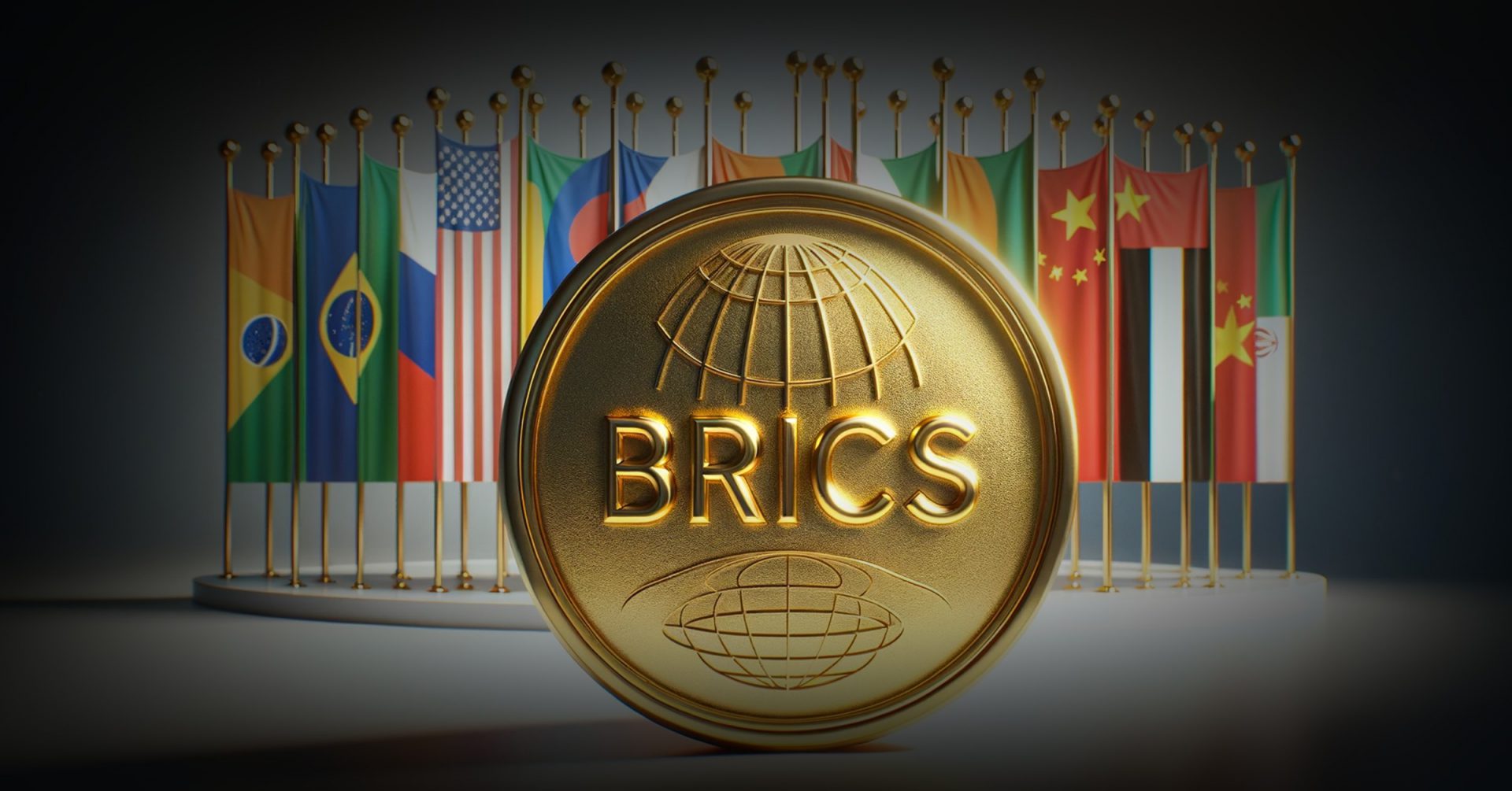

The BRICS alliance is poised for significant expansion as it prepares for the October summit in Kazan, Russia. Thirty countries have confirmed their participation, highlighting the global intrigue surrounding this economic bloc.
This development underscores the growing interest in BRICS as a potential counterbalance to Western economic dominance. As nations explore alternatives to the US dollar, the upcoming summit is set to be a pivotal event in the international financial landscape.
The Expanding BRICS Alliance
The BRICS alliance is on the brink of a significant expansion, aiming to bring in new members in an effort to reshape the global economic landscape. The inclusion of 30 countries at the upcoming summit, scheduled from October 22 to 24, 2024, in Kazan, Russia, signals a tangible shift in international alignment. The prospect of fresh members challenges the longstanding dominance of the US dollar, a currency that many developing nations view as an impediment to their economic sovereignty.
A Strategic Shift Away from the US Dollar
BRICS, established in 2006 by Brazil, Russia, India, China, and later joined by South Africa in 2010, is garnering interest from countries keen to escape the influence of the US dollar. Emerging markets are increasingly contemplating the use of local currencies for trade to bolster their economies. The summit is expected to focus heavily on de-dollarization strategies. Developing nations see this as a crucial step in fortifying their economic independence. With BRICS expanding, it might very well accelerate this global financial transition.
Earlier in 2024, the alliance grew by incorporating Iran, Egypt, Ethiopia, and the United Arab Emirates. Now, other countries from Asia, Africa, and the Middle East anticipate joining the bloc, which is gaining momentum in its de-dollarization agenda worldwide.
Key Agendas for the Upcoming Summit
The summit will primarily focus on strategies to continue the de-dollarization process and the potential establishment of a BRICS currency.
The alliance is discussing the specific number of countries to be invited to join during this expansion phase. Notably, Belarus has expressed optimism about being included among these new members. Foreign Minister of Belarus, Maxim Ryzhenkov, disclosed plans for adding 10 more countries at the 16th summit.
Such an expansion of the BRICS alliance inevitably brings various economic and geopolitical implications. By boosting membership, BRICS is challenging the traditional power structures and could potentially alter the dynamics within international trade and finance.
Rising Interest from Global Economies
Countries across Asia, Africa, and the Middle East are showing substantial interest in joining the BRICS bloc. Each of these regions sees the alliance as a promising avenue to enhance their economic status globally. Russia’s Deputy Foreign Minister Sergei Ryabkov’s announcement of Turkey’s attendance further underlines the growing attractiveness of BRICS.
Turkey, having recently submitted an official request to join, symbolizes the varied geopolitical interests converging at the summit. This diversity among prospective members signifies a move towards a more multipolar economic world order.
Russia’s invitation list, covering over 30 countries, underscores BRICS’ ambition to expand its influence and forge a new paradigm in international economic cooperation.
Geopolitical Implications of BRICS Expansion
The potential expansion holds many geopolitical consequences. An increase in membership could lead to a re-alignment of global alliances, potentially diminishing long-standing international ties with established Western powers.
The attraction of BRICS lies in its potential to offer an alternative global economic platform that doesn’t rely on Western hegemony or the dominance of the US dollar. This shift could encourage other regional alliances to explore similar avenues, promoting a diversity of economic partnerships.
Such developments could result in strengthened regional collaborations and alternative trade networks away from Western-centric institutions, paving the way for a more balanced international economic order.
Challenges and Opportunities Ahead
Despite the potential benefits, the path ahead for BRICS is fraught with challenges. The integration of new members will require navigating complex geopolitical landscapes and ensuring cohesive economic policies.
The creation of a unified BRICS currency, while ambitious, poses significant economic and logistical hurdles. This undertaking may require substantial negotiations, but if successful, it could redefine the member countries’ economic interactions.
Emerging members will need to align on core economic principles and frameworks to ensure that growth is both sustainable and inclusive. Each member’s unique economic landscape must be considered to facilitate a harmonious integration process.
Conclusion of the Expansion Dialogue
In essence, the BRICS summit represents a captivating chapter in the evolution of global economic alliances. As the bloc opens its doors to new members, it challenges the traditional economic order.
The success of this summit in expanding its reach and solidifying new partnerships will undoubtedly influence geopolitical and economic narratives for years to come.
As BRICS welcomes potential new members, these developments could herald a shift towards a more diversified global economic structure.
The outcomes of this summit may redefine international alliances and economic partnerships, marking a new era in global cooperation.
