
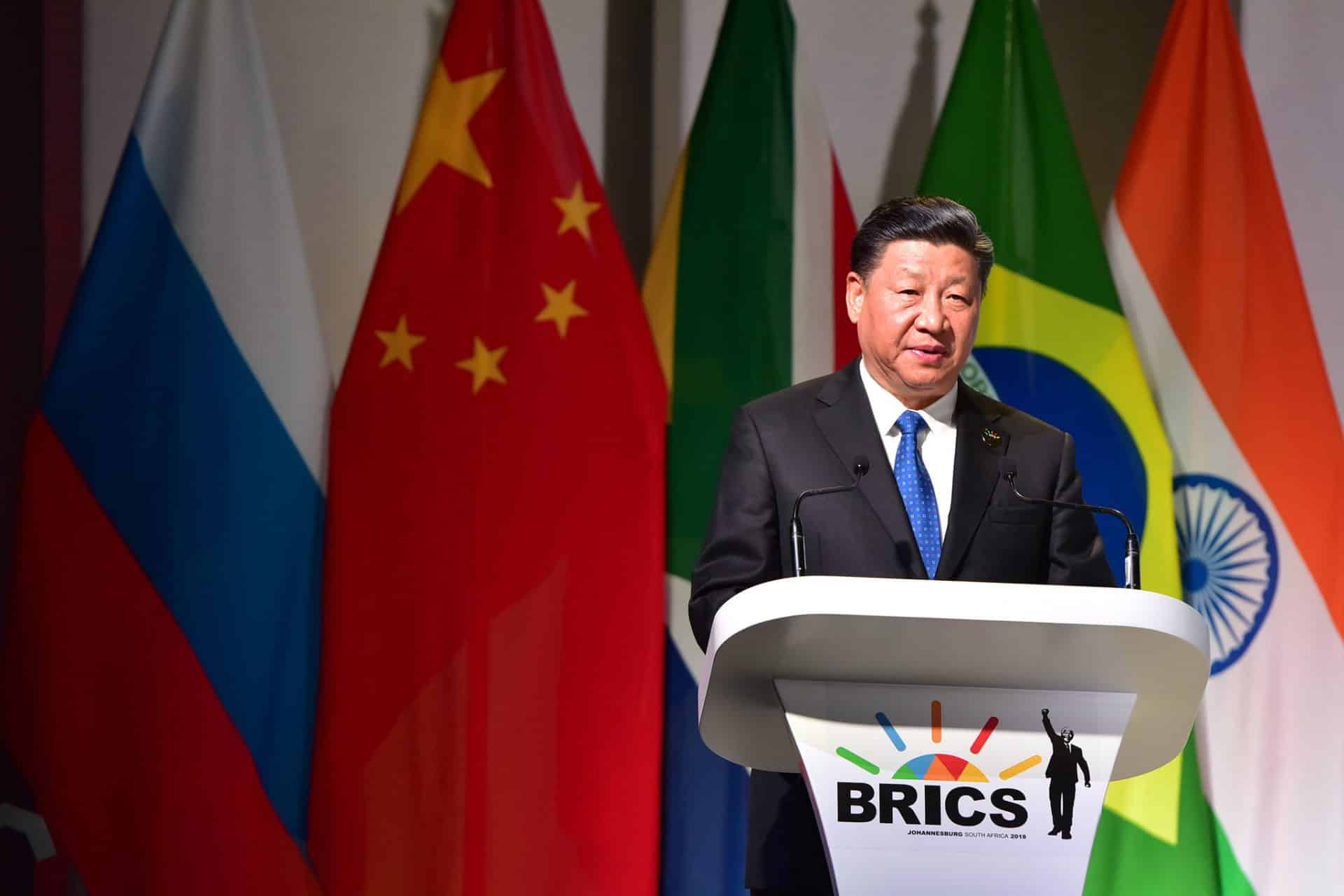

The year 2024 marks a significant pivot in global financial landscapes as China, a key member of BRICS, aggressively reduces its holdings in US treasuries. This monumental sell-off exceeded $21 billion, casting a spotlight on shifting economic paradigms.
Driven by a desire to diversify reserves and reduce reliance on the US dollar, China’s actions align with broader BRICS strategies. The group’s inclination towards alternative economic systems poses questions on the future of the US dollar’s global dominance.
China’s decision to offload more than $21 billion in US treasuries is staggeringly unprecedented, especially noted in the first quarter of 2024. The $53.3 billion sell-off marks the largest single-quarter liquidation undertaken by China, highlighting a proactive approach to currency diversification.
Such financial maneuvers reflect not just isolated national policy but an emergent BRICS-wide strategy that engages with global economic shifts, steering away from dollar-dominated assets.
In parallel with its treasury reductions, China has been bolstering its gold reserves. The country’s purchase of gold amounting to $550 billion in previous years underscores its commitment to securing stable, tangible assets.
This move complements the narrative that BRICS aims to establish a currency backed by gold, potentially stabilising its financial framework and offering a resilient alternative to fiat currencies.
Geopolitical dynamics heavily influence BRICS’ financial strategies, particularly with rising tensions between the US and China. Such tensions augur well for continued divestments from US financial instruments, as BRICS countries seek stability.
Stephen Chiu of Bloomberg Intelligence speculates that this trend might persist, especially if political dynamics, such as US elections, portend adversarial economic policies. By preemptively decreasing reliance on US assets, BRICS countries are strategically positioning themselves.
The concept of de-dollarization manifests as BRICS nations proactively reduce holdings in US dollars, instead favouring local currencies for international trade.
This strategy not only mitigates fiscal risks associated with dollar volatility but also enhances the economic sovereignty of member nations by reducing dependency on foreign currency reserves.
At over $35.6 trillion, the burgeoning US debt raises concerns about long-term fiscal sustainability. For BRICS nations, this is a cautionary tale urging diversification of their financial portfolios.
By reallocating assets away from US treasuries, these nations anticipate and act against potential fiscal instabilities, safeguarding their economic interests.
The financial strategies of BRICS, particularly China’s treasury sell-offs, are set to have reverberating effects on global markets.
As they continue to pivot towards alternative financial instruments and currencies, the traditional reliance on the US financial system faces substantial challenges.
China’s reduction in US treasury holdings marks a pivotal moment in the reconfiguration of global finance. It prompts critical evaluation of economic alliances and currency dependencies, heralding potential shifts in the world’s monetary order.
With China leading the charge, BRICS nations are crafting a new narrative in global economic practices. Their move away from US assets signifies a broader quest for financial autonomy and resilience.
