
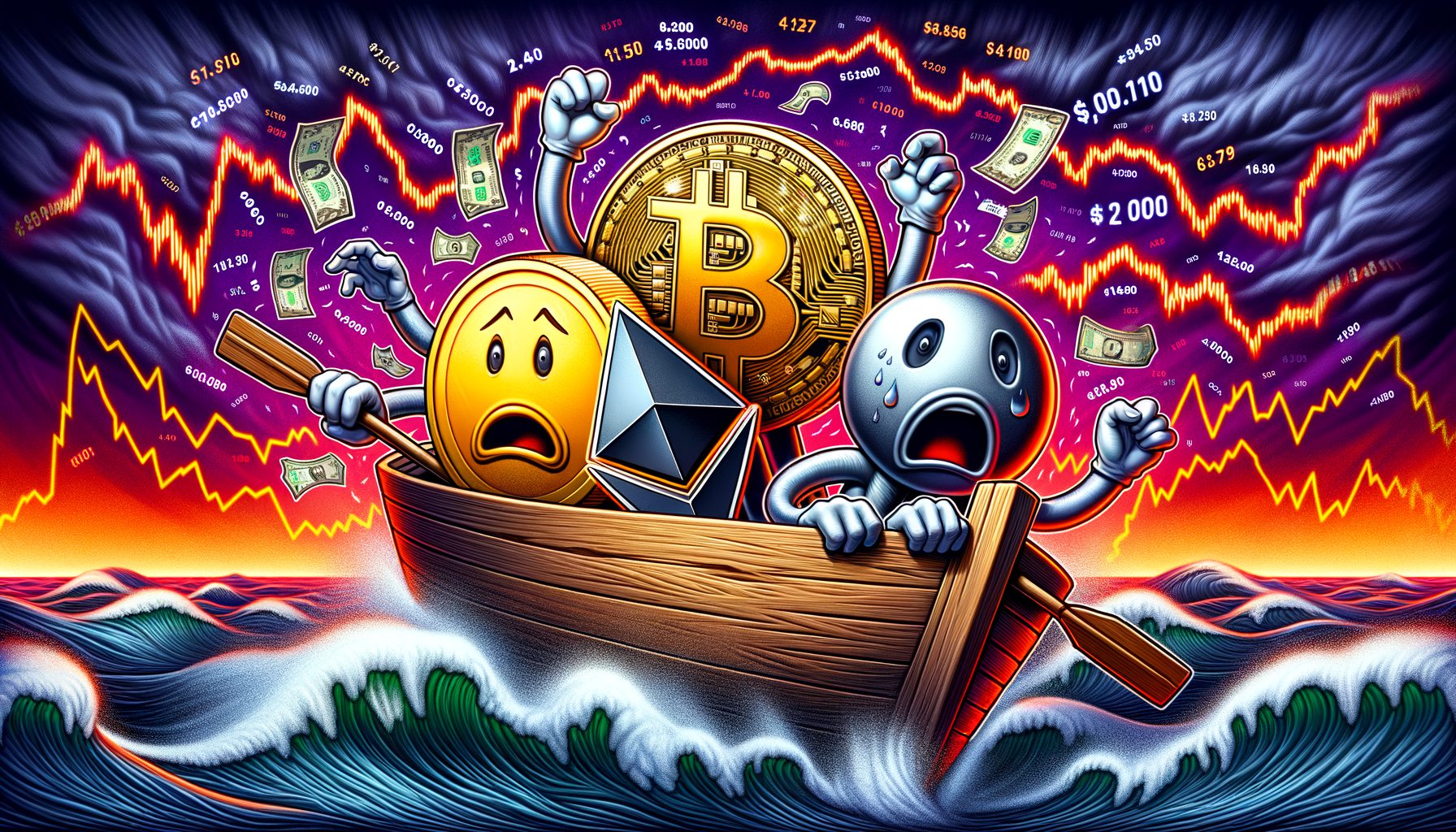

Recent geopolitical tensions have sent shockwaves through financial markets, particularly impacting major cryptocurrencies such as Bitcoin, Ethereum, and Dogecoin, causing significant price drops.
These developments highlight the intricate relationship between global events and digital asset valuations, emphasising the need for strategies to navigate such volatile landscapes.
The recent geopolitical unrest following Iran’s missile launches at Israel has reverberated across the financial markets, notably affecting cryptocurrencies. Prominent digital currencies such as Bitcoin, Ethereum, and Dogecoin experienced significant losses as investors reacted to the uncertainty. Bitcoin fell by 3.48% to $61,118.92, reaching a two-week low before a modest recovery, while Ethereum decreased by 5.66%, marking its lowest since mid-August. Dogecoin took the hardest hit with a 6.29% drop.
This situation underscores the volatile nature of cryptocurrency trading, especially during periods of geopolitical instability. The rapid liquidation of positions reflects a broader trend of caution among investors who are responding to global market pressures. The fragility of the market is evident as external events continue to dictate price movements.
[twitter-embed-display twitter_url=’https://twitter.com/PeterLBrandt/status/1841270939901911145′]
The resulting environment is one of heightened volatility, with panic selling exacerbating market corrections. Many investors are choosing to divest their holdings in anticipation of further declines, underpinning a pervasive sense of insecurity.
Brandt’s analysis highlights the persistence of bearish sentiment among traders and the necessity for substantial upward movement to halt Bitcoin’s declining pattern. His insights reflect the cautious optimism required in navigating the current crypto landscape.
Such alleged manipulation underscores the complexities of the crypto market, where strategic manoeuvres by a few can have cascade effects, leading to widespread repercussions among the broader investor community.
The variations in performance among cryptocurrencies underscore the complex interplay of factors influencing market dynamics. While major coins have faltered, niche tokens have capitalised on investor shifts, reflecting an intricate market landscape where opportunities and risks coexist in a delicate balance.
Ultimately, the market’s future will hinge on both geopolitical developments and the inherent adaptability of digital currencies to external pressures. The path forward is fraught with challenges, yet it is replete with the potential for innovative breakthroughs, offering a compelling narrative for market watchers.
As geopolitical tensions continue to evolve, the cryptocurrency market faces an uncertain future. However, with risk comes opportunity for strategic investors willing to navigate this complex terrain with caution and insight.
